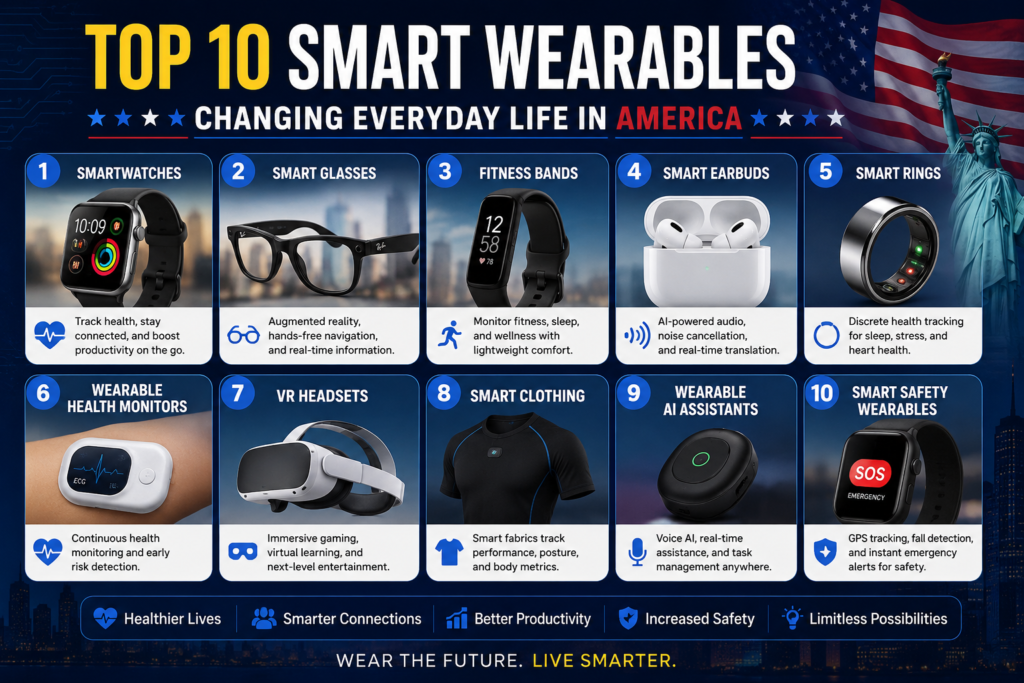
Top 10 Smart Wearables Changing Everyday Life in America
+
Table of Contents
- 1 Top 10 Smart Wearables
- 1.1 1. Smartwatches
- 1.2 2. Smart Glasses
- 1.3 3. Fitness Bands
- 1.4 4. Smart Earbuds
- 1.5 5. Smart Rings
- 1.6 6. Wearable Health Monitors
- 1.7 7. VR Headsets
- 1.8 8. Smart Clothing
- 1.9 9. Wearable AI Assistants
- 1.10 10. Smart Safety Wearables
- 1.11 Frequently Asked Questions
- 1.11.1 Q1: What is a smart watch?
- 1.11.2 Q2. What Makes Wearable Devices so Popular in America?
- 1.11.3 Q3. Which Popular Wearable Technology Exists?
- 1.11.4 Q4. What is the accuracy of Smart Wearables in Health Monitoring?
- 1.11.5 Q5. What will the future of wearable technology be like?
- 1.11.6 Q6. What are the Hazards of Using Wearable Technology?
- 1.11.7 Q7. What Evidence Exists that Wearable Technology Promotes Productivity?
Smart devices have become clever and adaptive to nearly every function of American daily life. The advent of wearable tech, which started from simple step counters to more specialized healthcare devices and even more sophisticated forms of daily life communication and gaming, has resulted in changing American lifestyles completely. These Smart Wearables devices, from smartwatches to integrated wear, really do it all.
Today, Americans demand devices that seamlessly assist them in every aspect of their lives,s and Americans have rapidly adopted smart devices in healthcare, smartwatches for new ways to track fitness, ss and even AI-integrated smart gaming glasses. It’s all simply more convenient to have multiple devices rolled into one.
The appeal of smart devices has even grown in recent years from unique, fashionable devices into efficiency and productivity devices for all. These devices have been deployed into daily life, from students to professionals to fitness enthusiasts.
Top 10 Smart Wearables
The following is a brief overview of smart tech in devices that wear that are changing daily life in America in the near future.
1. Smartwatches
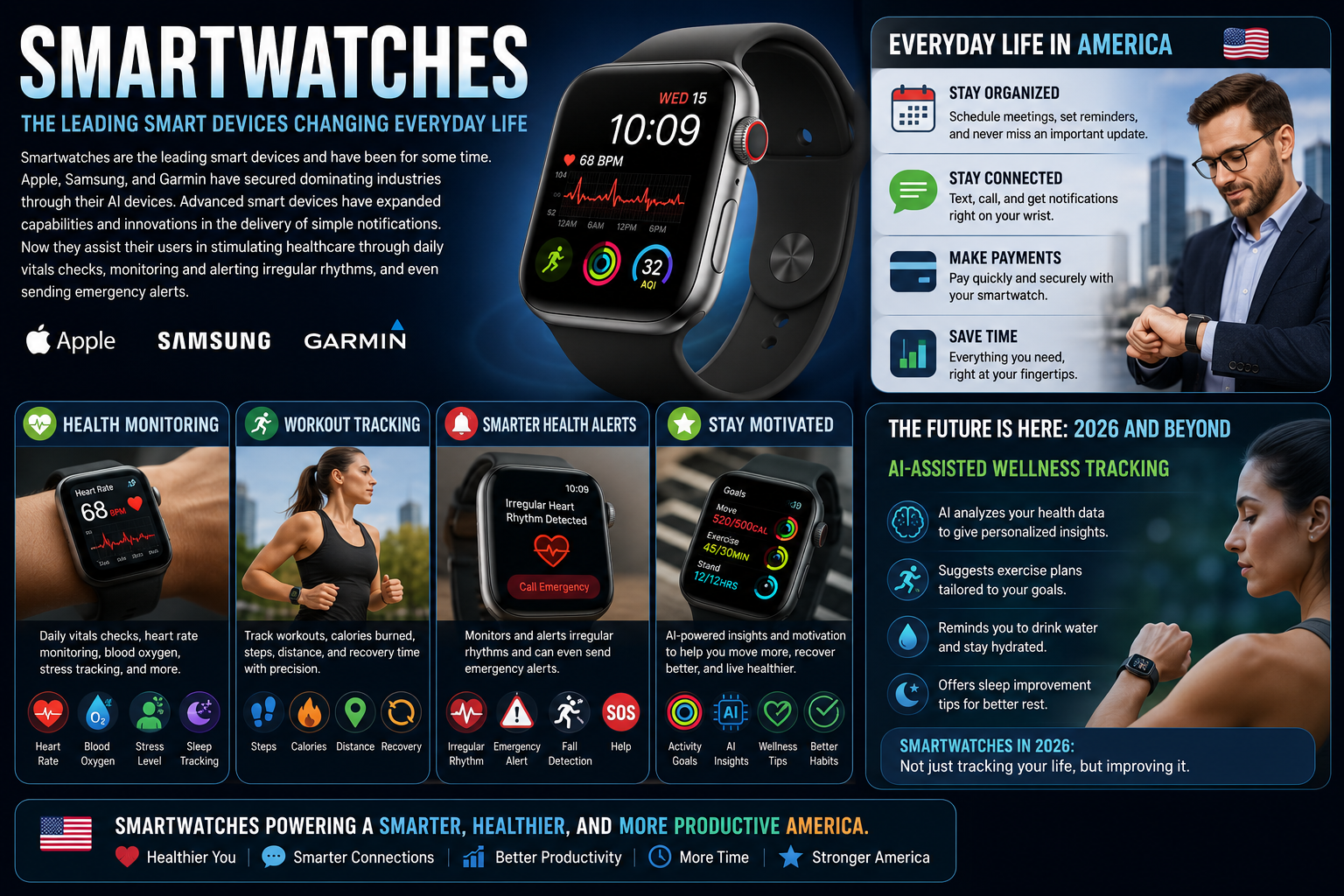
Smartwatches are the leading smart wearable devices and have been for some time. Apple, Samsung, and Garmin have secured dominating industries through their AI devices. Advanced smart devices have expanded capabilities and innovations in the delivery of simple notifications. Now they assist their users in stimulating healthcare through daily vitals checks, monitoring and alerting irregular rhythms, and even sending emergency alerts.
In America, people incorporate smartwatches into their everyday lives both personally and professionally. From scheduling meetings and texting to making payments, they keep money and time at your fingertips. Fitness enthusiasts love them for tracking workouts, calories burned, and recovery time.
In 2026, watch out for AI-assisted wellness tracking. Smartwatches will not only track your health, but they will also suggest exercise plans, remind you to drink water, and offer recommendations on how to improve your sleep.
2. Smart Glasses
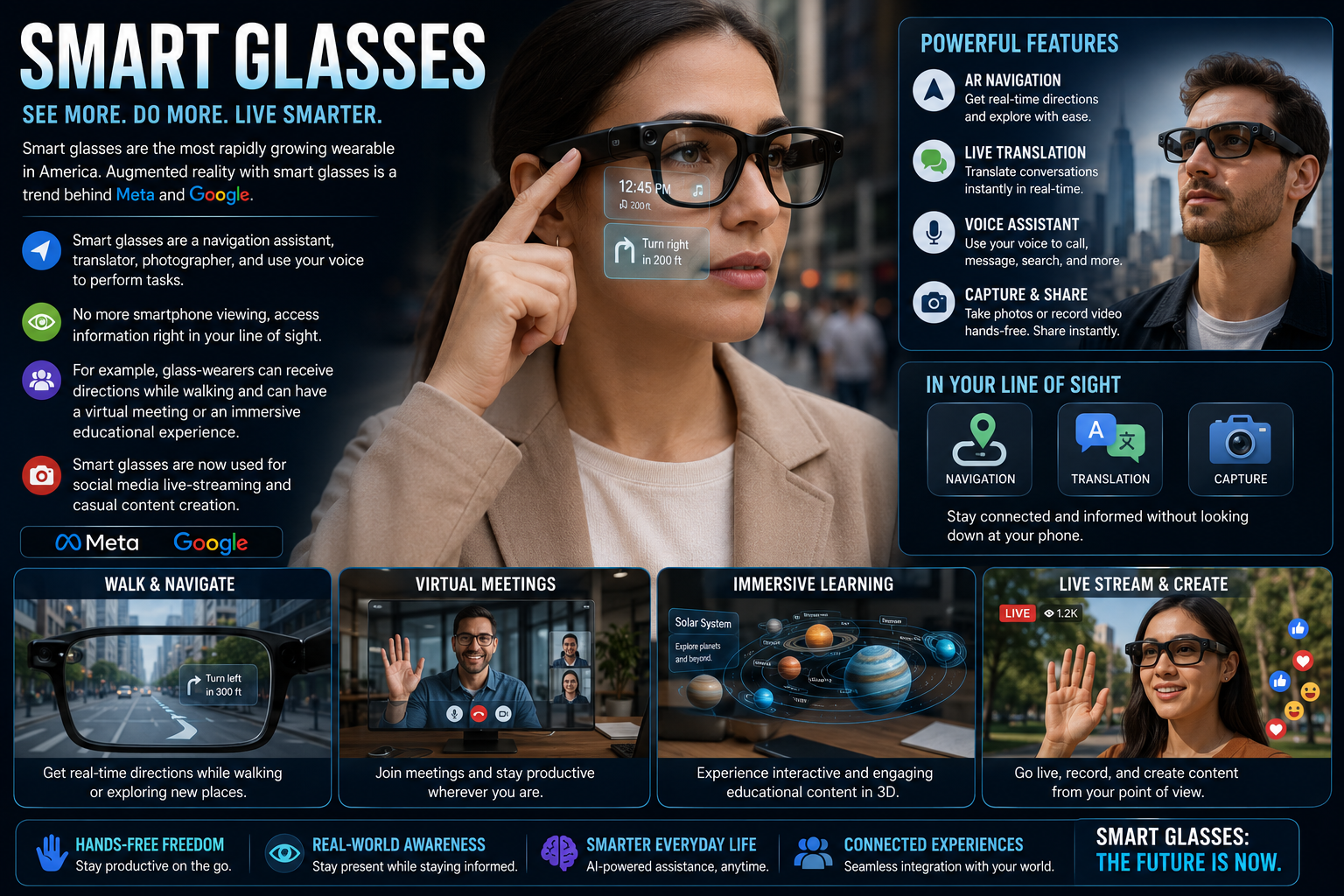
Smart glasses are the most rapidly growing wearable in America. Augmented reality with smart glasses is a trend behind Meta and Google.
Smart glasses are a navigation assistant, translator, photographer, and use your voice to perform tasks. No more smartphone viewing, access information right in your line of sight.
For example, glass-wearers can receive directions while walking and can have a virtual meeting or an immersive educational experience.
Smart glasses are now used for social media live-streaming and casual content creation.
3. Fitness Bands
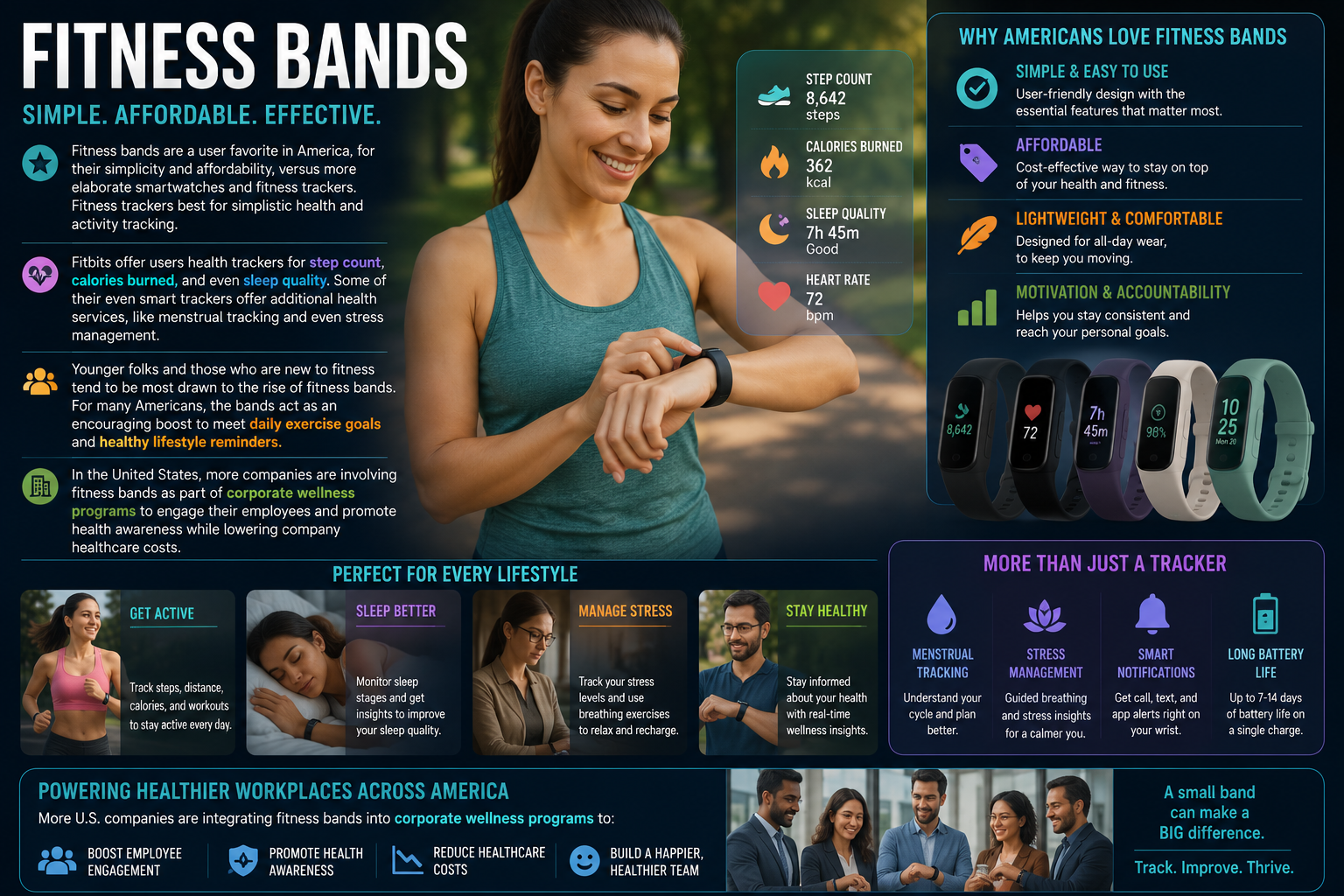
Fitness bands are a user favorite in America, for their simplicity and affordability, versus more elaborate smartwatches and fitness trackers. fitness trackers best for simplistic health and activity tracking.
Fitbits offer users health trackers for step count, calories burned,d and even sleep quality. Some of their even smart trackers offer additional health services, like menstrual tracking and even stress management.
Younger folks and those who are new to fitness tend to be most drawn to the rise of fitness bands. For many Americans, the bands act as an encouraging boost to meet daily exercise goals and healthy lifestyle reminders.
In the United States, more companies are involving fitness bands as part of corporate wellness programs to engage their employees and promote health awareness while lowering company healthcare costs.
4. Smart Earbuds
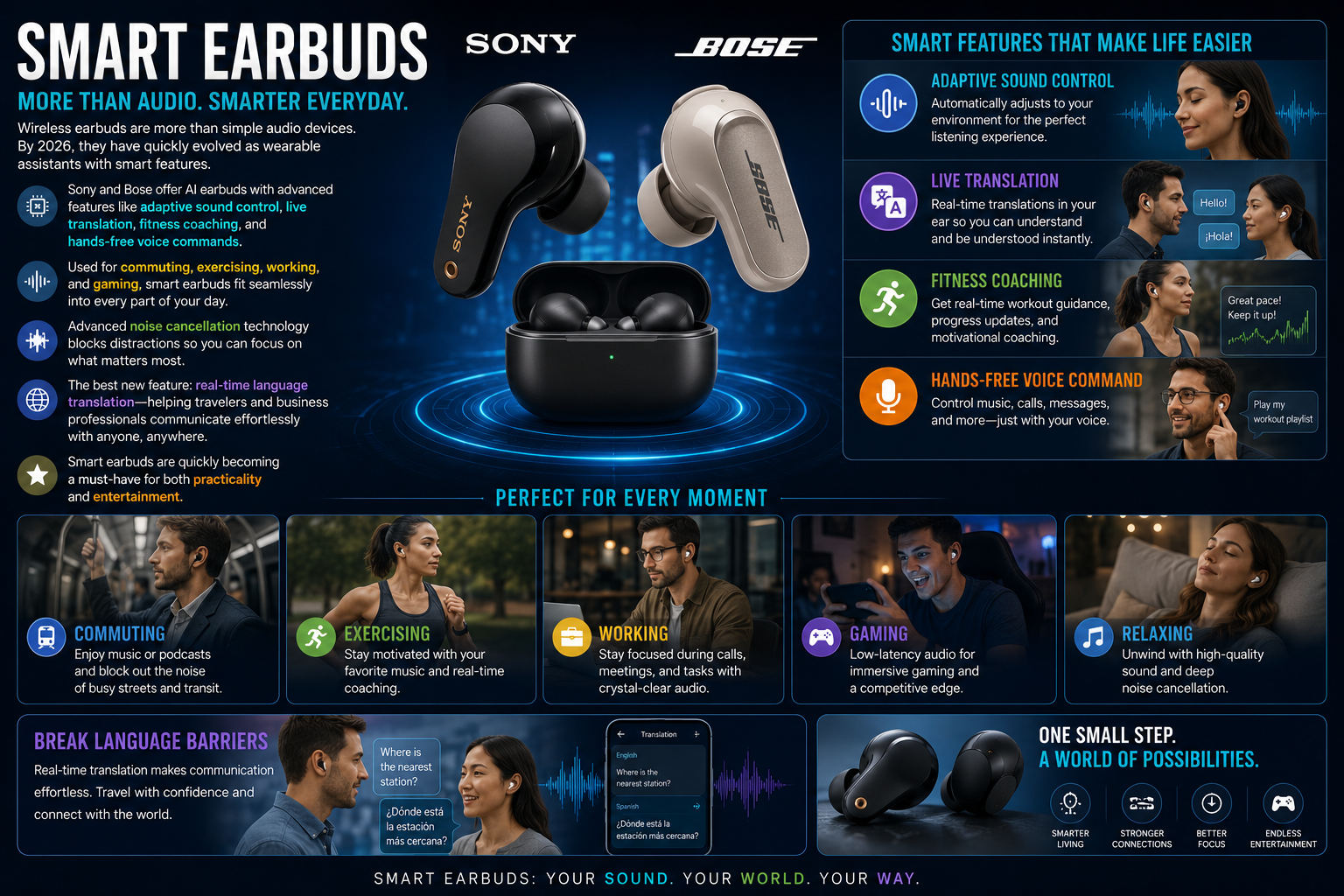
Wireless earbuds are more than simple audio devices. By 2026, they will have quickly evolved as wearable assistants with smart earbuds.
Both Sony and Bose offer AI earbuds that also have features such as adaptive sound control, live translation, fitness coaching, and most importantly, hands-free voice command.
Earbuds are used for various activities, including commuting to work, exercising, working, and gaming. Noise cancellation technology is also advanced to help users focus and ignore distractions around them.
Perhaps the best new feature is language translation. These smart earbuds help travelers and business professionals to quickly and easily converse with non-English speakers.
It’s quickly becoming clear that smart earbuds are a device to own for practicality and entertainment.
5. Smart Rings
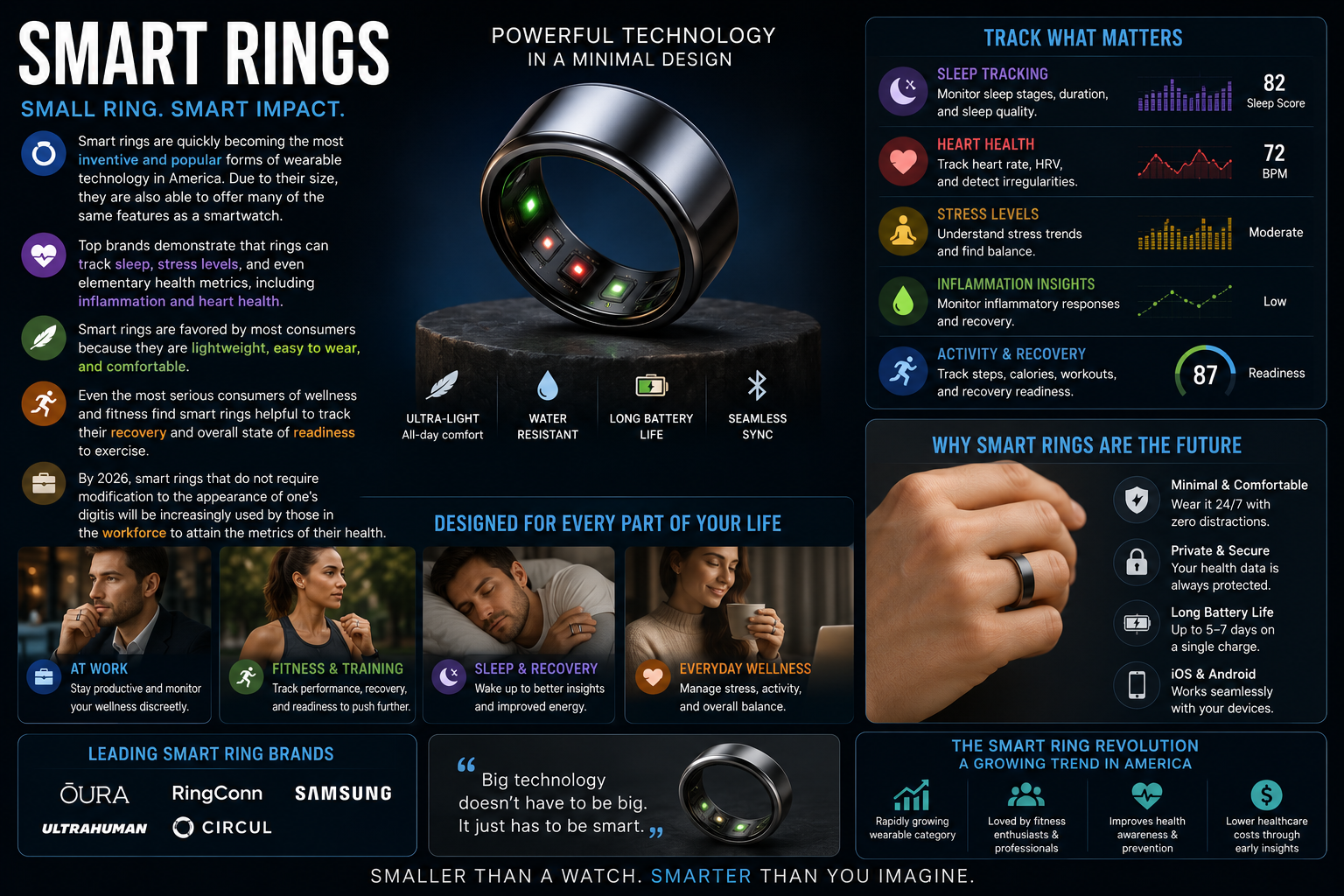
Smart rings are quickly becoming the most inventive and popular forms of wearable technology in America. Due to their size, they are also able to offer many of the same features as a smartwatch.
Other brands demonstrate that rings can track sleep, stress levels, and even elementary health metrics,s including inflammation and heart health.
Smart rings are favored by most consumers because they are lightweight, easy to wear, and comfortable. Even the most serious consumers of wellness and fitness find smart rings helpful to track their recovery and overall state of readiness to exercise.
By 2026, “smart rings” that do not require modification to the appearance of one’s digits will be increasingly used by those in the workforce to attain the metrics of their health.
6. Wearable Health Monitors
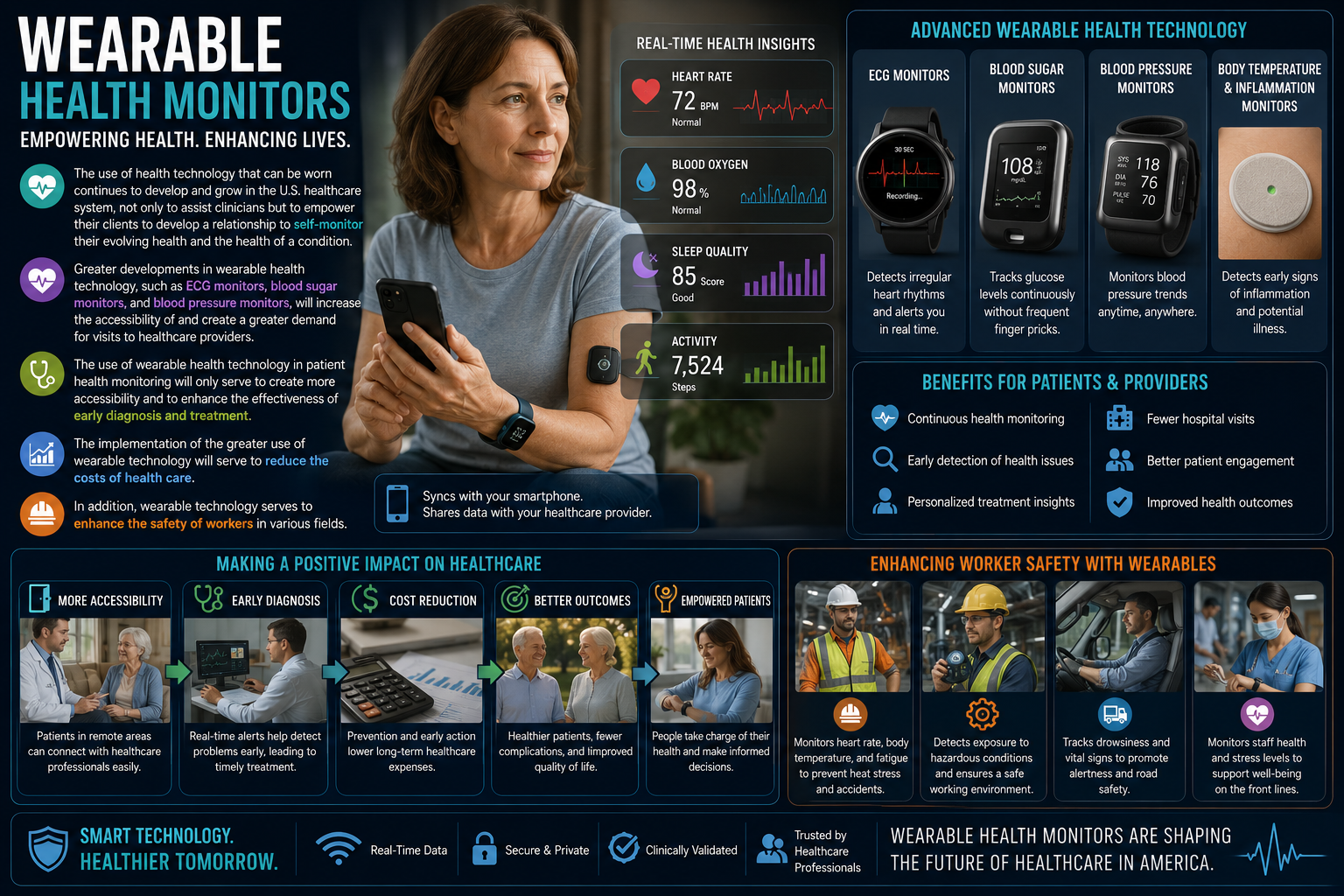
The use of health technology that can be worn continues to develop and grow in the U.S. healthcare system, not only to assist clinicians but to empower their clients to develop a relationship to self-monitor their evolving health and the health of a condition.
Greater developments in wearable health technology, such as ECG monitors, blood sugar monitors, and blood pressure monitors, will increase the accessibility of and create a greater demand for visits to healthcare providers.
The use of wearable health technology in patient health monitoring will only serve to create more accessibility and to enhance the effectiveness of early diagnosis and treatment.
The implementation of the greater use of wearable technology will serve to reduce the costs of health care.
In addition, S. wearable technology serves to enhance the safety of workers in various fields.
7. VR Headsets
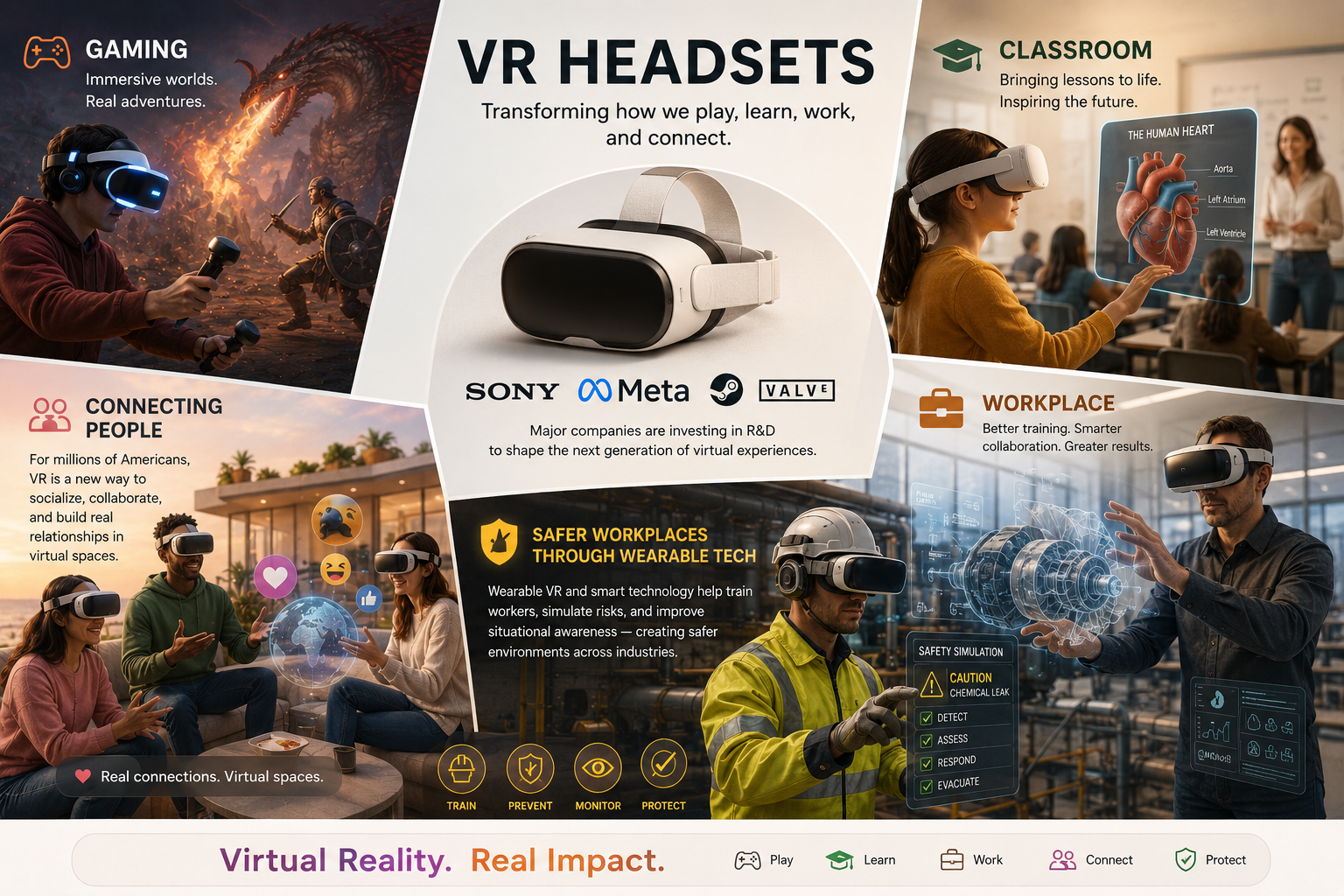
There is no question that, in application, the technology of Virtual Reality is in the fields of Gaming, the Classroom, and the Workplace. Almost all of the major companies producing electronics, such as Sony and Meta, are involved in the R&D for Virtual Reality.
For the American population, the use of VR technology has simply become a means for social contact and interaction in the “real” versus the “virtual” world.
With the implementation of greater use of wearable technology, it will serve to enhance the safety of workers in various fields.
Also Read- Huawei Pura X Max: Leading the Way in Premium Smartphone Design
8. Smart Clothing
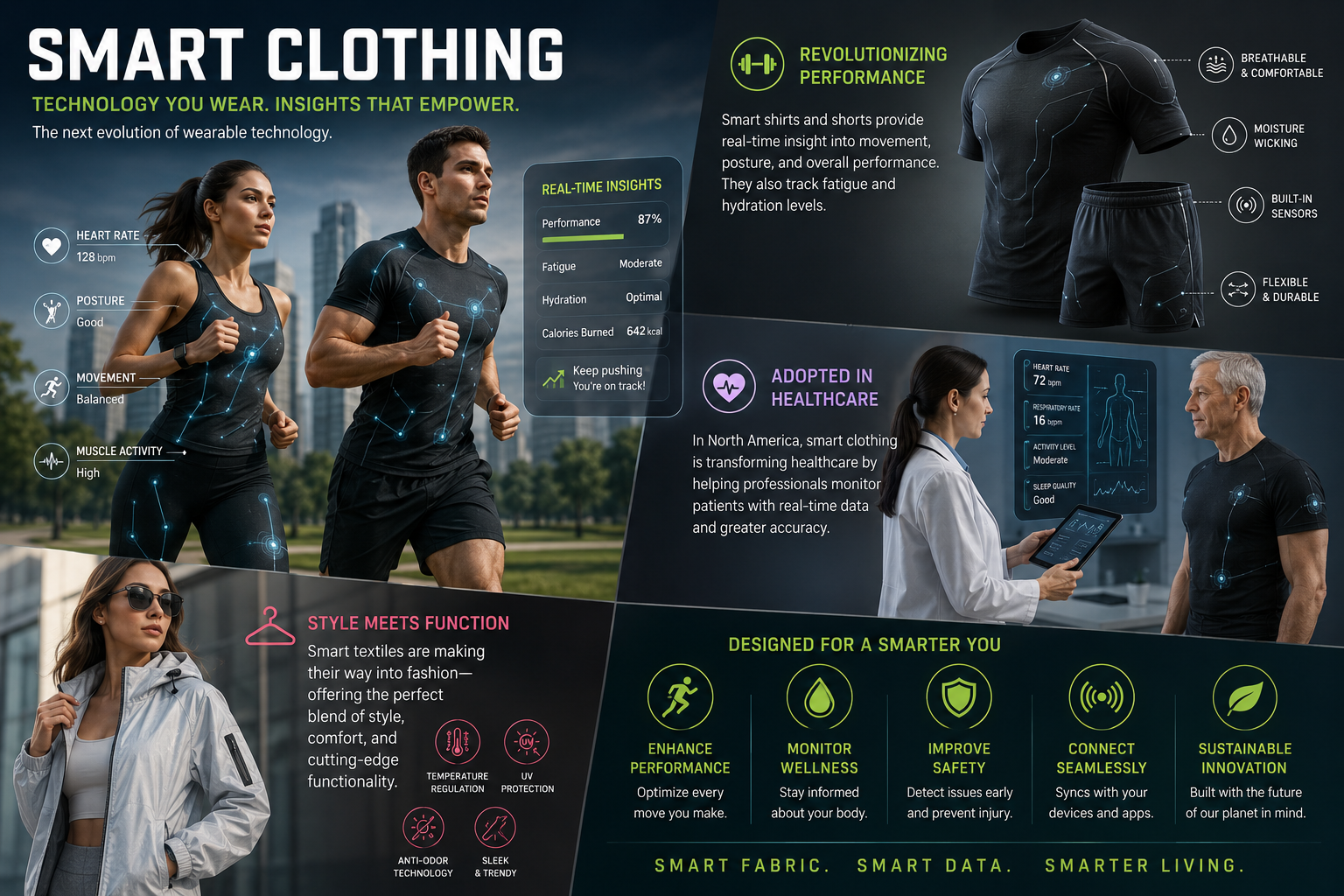
The design of Smart Clothing is more of an extension of wearable technology.
Smart shirts and shorts are revolutionizing muscles, providing insight into movement, posture, and overall performance. They can also provide insight into fatigue and levels of hydration.
In North America, the trend of smart clothing is taking over the fitness and sports industries, with healthcare professionals adopting it as a means of smart garments to monitor patients.
Clothing with smart textiles is finding its way into the fashion world, appealing to those in the community looking for functionality with their clothing, while also being trendy.
9. Wearable AI Assistants
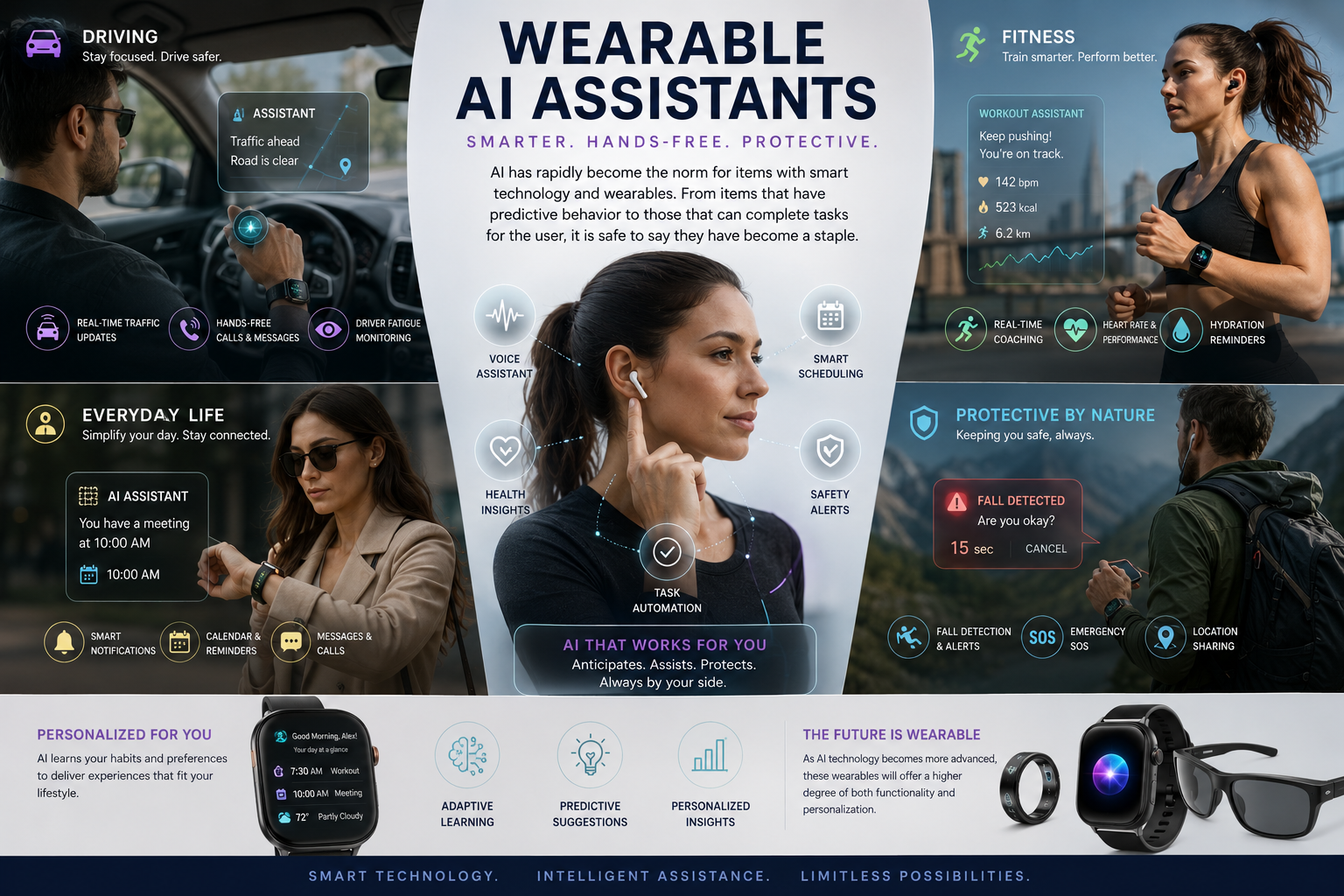
AI has rapidly become the norm for items with smart technology and wearables. From items that have predictive behavior to those that can complete tasks for the user, it is safe to say they have become a staple.
AI wearables are helping more users become efficient. For some, the wearables provide the ability to complete hands-free tasks while away from their devices. It can help those who drive and exercise (as these are the main tasks they try to complete while away from their devices). This line of AI wearables is protective in nature.
As AI technology becomes more advanced, these wearables will offer a higher degree of both functionality and personalization.
10. Smart Safety Wearables
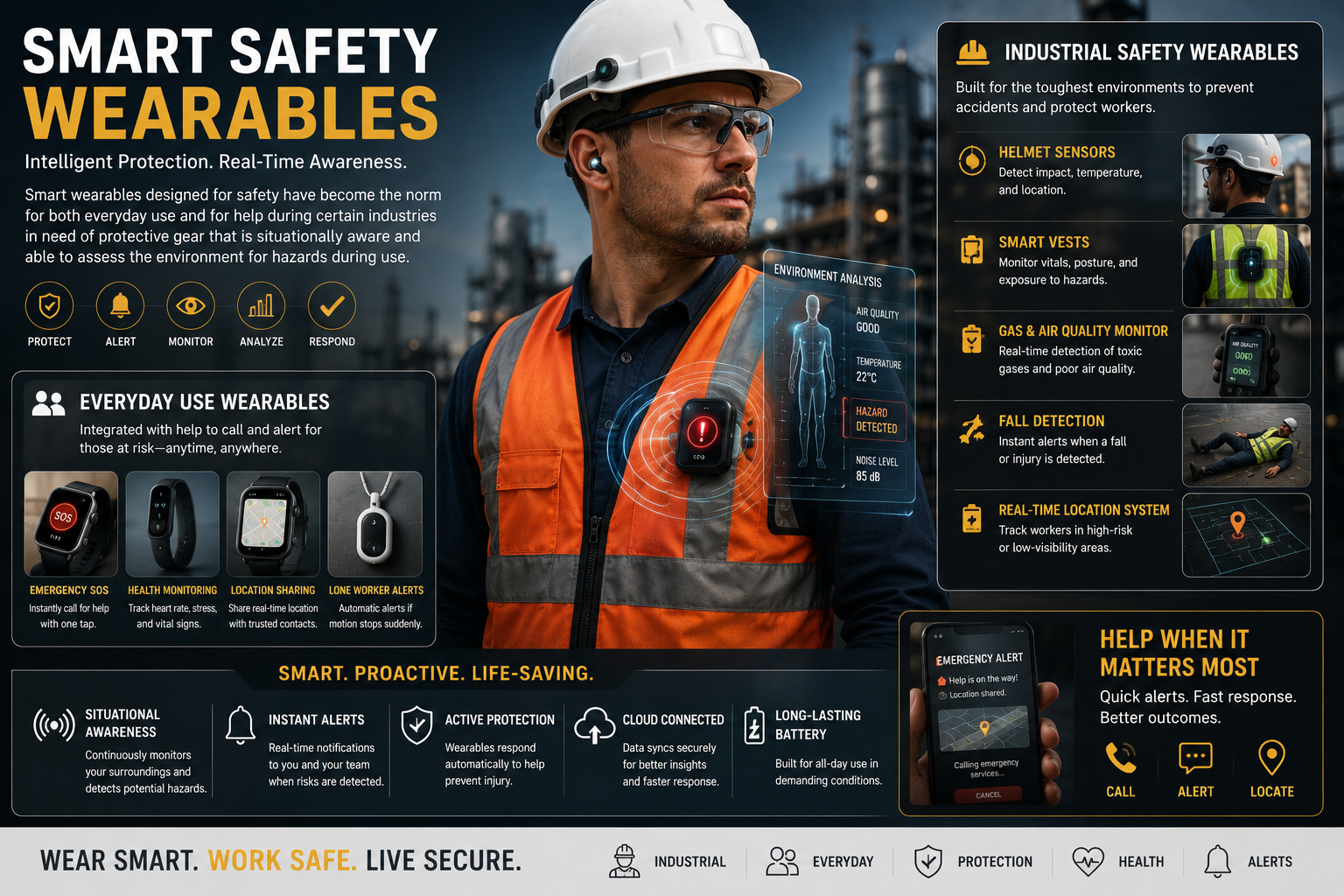
Smart wearables designed for safety have become the norm for both everyday use and for help during certain industries in need of protective gear that is situationally aware and able to assess the environment for hazards during use.
Smart wearables designed for safety have become the norm for both everyday use ( where they are integrated with help to call and alert for those at risk ) and specifically industrial geared protective wear for those in need of safety to become at risk and to provide protection.
Frequently Asked Questions
Q1: What is a smart watch?
Smart watches are modern style of wrist watches that connect via Internet and allow personalization.
Q2. What Makes Wearable Devices so Popular in America?
Wearable devices are comprised of features that promote convenience, track health information, improve communications, provide entertainment & aid in productivity, all packaged in one portable device.
Q3. Which Popular Wearable Technology Exists?
Because of the many functions they introduce, the most widely adopted wearable in America are smartwatches.
Q4. What is the accuracy of Smart Wearables in Health Monitoring?
Absolutely. Wearable devices track an array of health data, like heartrate, sleep & oxygen levels, stress, and any physical exercise, in turn, allowing the user to observe and assess their health.
Q5. What will the future of wearable technology be like?
The future of wearable technology can only get more innovative, with the introduction of augmented reality glasses, smart clothing, wearable AI, and more targeted, digital experiences.
Q6. What are the Hazards of Using Wearable Technology?
Generally, most wearable tech can be used safety on a daily basis. Users should only purchase from trustable brands and be certain to adhere to their recommendations.
Q7. What Evidence Exists that Wearable Technology Promotes Productivity?
Yes. Wearable technology streamlines one’s daily communication and task management.