Incredible Fintech Statistics 2026: Future of Finance
+
Table of Contents
- 1 What is Fintech?
- 1.1 Amazing Fintech Stats 2026
- 1.2 Fintech Growth Factors
- 1.2.1 1. Digital Payments
- 1.2.2 2. Artificial Intelligence
- 1.2.3 3. Mobile Banking
- 1.2.4 4. Blockchain Technology
- 1.2.5 5. Financial Inclusion
- 2 Popular Fintech Apps 2026
- 3 Top Fintech Apps, Features & Benefits
- 3.1 1. PayPal
- 3.2 2. Stripe
- 3.3 3. Revolut
- 3.4 4. Wise
- 3.5 5. Robinhood
- 3.6 6. Cash App
- 3.7 7. Chime
- 3.8 8. Coinbase
- 3.9 Key Benefits of Fintech
- 3.9.1 More Accessibility
- 3.9.2 Reduced Costs
- 3.9.3 Speedy Transactions
- 3.9.4 Enhanced Security
- 3.9.5 Better Services
- 4 Future Developments with Fintech Statistics 2026
- 4.1 1. Artificial Intelligence in Finance
- 4.1.1 Main Uses
- 4.1.2 Advantages
- 4.2 2. Embedded Finance
- 4.2.1 Examples include
- 4.3 3. Open Banking
- 4.3.1 Benefits
- 4.4 4. Blockchain Technology
- 4.4.1 Benefits
- 4.5 5. Digital Wallets
- 4.5.1 Wallets include:
- 4.6 Obstacles Facing the Fintech Industry
- 4.6.1 Cybercrime
- 4.6.2 Regulatory Compliance
- 4.6.3 Customer Trust
- 4.6.4 Market Competition
- 4.7 Future Predictions from Fintech Statistics 2026
- 4.8 Why should businesses invest in Fintech?
- 5 Conclusion
- 5.1 Frequently Asked Questions
- 5.1.1 1. What are Fintech Statistics 2026?
- 5.1.2 2. Why is fintech growing so quickly?
- 5.1.3 3. Which fintech apps are expected to be the most widely used in 2026?
- 5.1.4 4. How does Artificial Intelligence help in fintech?
- 5.1.5 5. What is embedded finance?
- 5.1.6 6. Is fintech safe?
- 5.1.7 7. What is the potential for fintech?
Fintech Statistics 2026 shows how innovative technologies are changing the ways customers make payments, save, invest, and borrow. Companies like AI Banking, Blockchain, Digital Wallets, and others are evolving the world’s financial systems.
Thanks to the speed, safety, and convenience of digital financial services, businesses and customers, as well as governments, are readily adopting new financial solutions. Mobile payment systems, online finance systems, and digital lending solutions are gaining millions of customers across the globe every day.
Fintech Stat 2026 will provide the most relevant financial technology statistics, the most popular fintech solutions, their attributes and unique selling positions, why financial technology is here to stay, and why financial services of the future will be most likely built around fintech.
What is Fintech?
Fintech, or financial technology, refers to technology-based financial services and solutions that modernize banking, investing, insurance, lending, and payments. Customers no longer need to visit physical bank locations to transfer money, pay bills, apply for loans, or make investments.
Fintech has grown rapidly in recent years due to the convergence of technologies such as AI, cloud computing, machine learning, big data, and blockchain. The result is that financial services are now available to billions of customers around the world.
Amazing Fintech Stats 2026
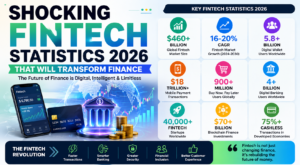
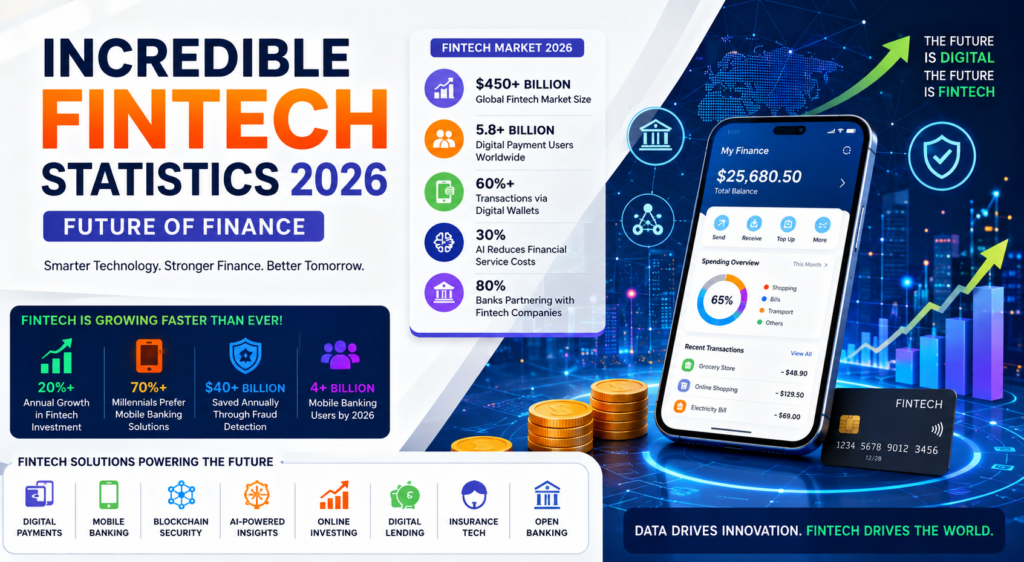
The stats below emphasize the incredible growth of the fintech service market:
- The valuation of the global fintech market is expected to surpass $450 billion.
- The number of digital payment users around the world is expected to surpass 5.8 billion.
- Digital wallets represent more than 60% of the world’s online transactions.
- Over 30% of customer service costs for financial services are being cut with the help of AI.
- Fintechs are now business partners for almost 80% of the banking sector.
- The preference for mobile banking instead of visiting the bank is demonstrated by over 70% of millennials.
- Buy Now Pay Later schemes are enjoying an annual double-digit growth year-on-year.
- The payment methods of most global retail outlets are still extending the adoption of cryptocurrency.
- AI-powered banking systems save billions for financial services thanks to fraud detection.
- The number of mobile banking users is expected to exceed 4 billion globally.
The Fintech Statistics 2026 show that the growth of digital finance is preferred by both consumers and businesses.
Fintech Growth Factors
The rapid growth of Fintech has been caused by the integration of technology with the economy.
1. Digital Payments
The convenience of cashless transactions is leading to a preference for digital payments.
2. Artificial Intelligence
AI has introduced automation for customer service, fraud detection, investments, and even planning.
3. Mobile Banking
Banking apps provide customers with banking services wherever and whenever they are needed.
4. Blockchain Technology
Payments have become more secure, faster, and transparent with blockchain.
5. Financial Inclusion
Smartphones are proving to be instrumental in providing banking services to millions of previously unbanked individuals.
Popular Fintech Apps 2026
Today, many of the same fintech platforms are at the forefront of the global digital finance revolution.
| App | Primary Use | Best Feature | Main Benefit |
|---|---|---|---|
| PayPal | Online Payments | Secure global payments | Easy international transfers |
| Stripe | Business Payments | Payment processing APIs | Fast online business payments |
| Revolut | Digital Banking | Multi-currency accounts | Low international fees |
| Wise | Money Transfers | Real exchange rates | Affordable global transfers |
| Robinhood | Investing | Commission-free trading | Easy stock investing |
| Cash App | Peer-to-Peer Payments | Instant transfers | Simple mobile payments |
| Chime | Digital Banking | Fee-free banking | Easy savings and budgeting |
| Coinbase | Cryptocurrency | Crypto trading | Secure digital asset management |
Top Fintech Apps, Features & Benefits
1. PayPal

PayPal is one of the most reliable digital payment solutions known globally.
Features
- Secure payment processing
- Protection for buyers
- Support for multiple currencies
- Business payment solutions
- Transfers done internationally
Benefits
- Transactions done quickly
- Accepted globally
- Protection from fraud
- Simplified checkout
2. Stripe
Flexible payment systems done via an application are used by millions of businesses online, by virtue of payment woven by Stripe.
Features
- APIs that are simple for developers
- Billing for subscriptions
- Prevention of fraud
- Analytics for payment
- Support for multiple currencies
Benefits
- Processing of payments done faster
- Easy integration with websites
- Supports businesses globally
- Flexibility and ease of use
3. Revolut
Banking, investing, budgeting, Revolut consolidates all of these and international payments in one mobile application.
Features
- Digital debit cards
- Exchange for currency
- Options to invest
- Analytics for spending
- Banking made easy for travel
Benefits
- Low foreign exchange fees that are low
- Fees made easy for payments made during travel
- Modern Banking made easy
- Better management for expenses
4. Wise
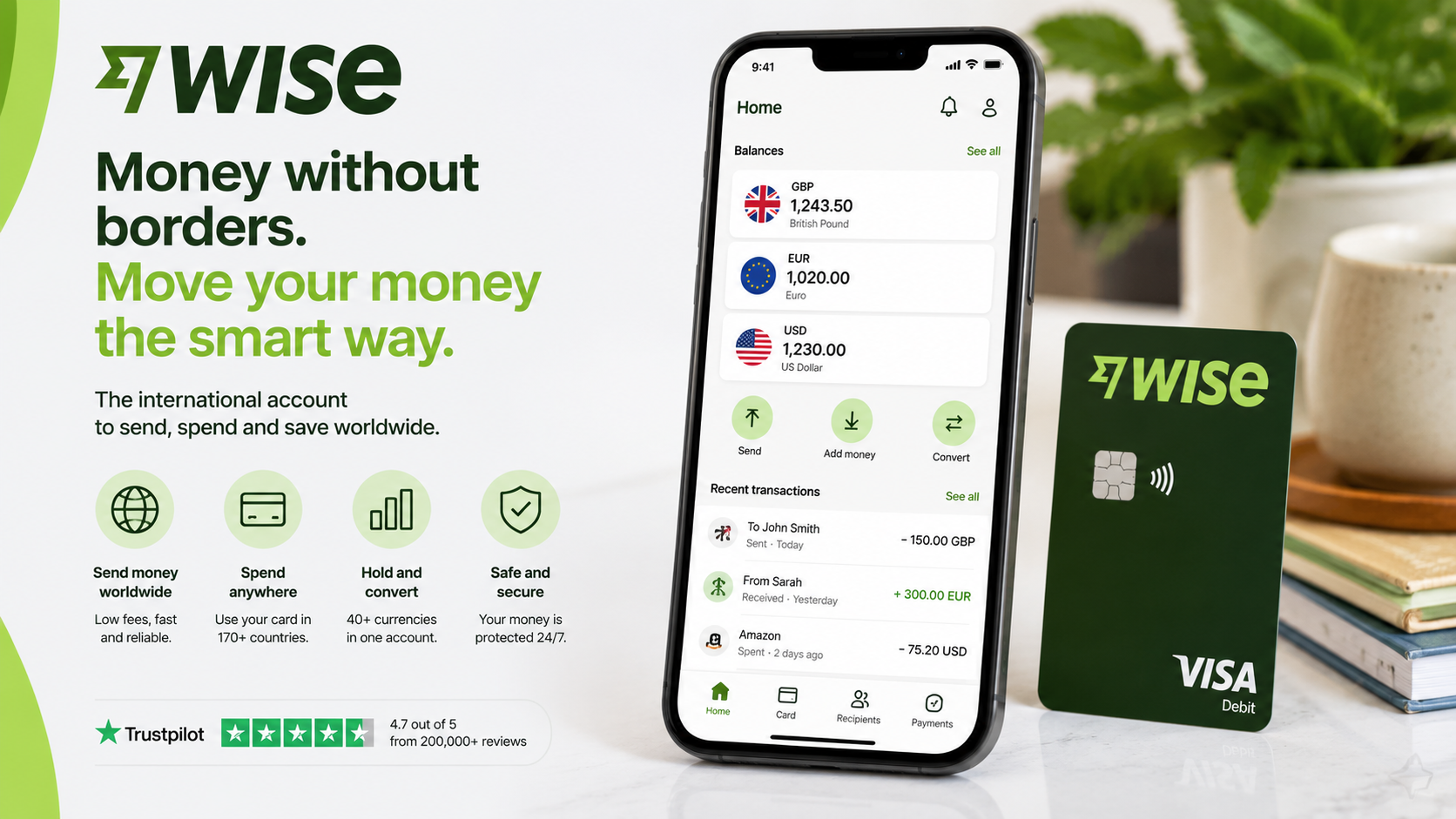
Wise has become one of the most affordable international money transfer services.
Features
- Real exchange rates
- Transparent pricing
- Multi-currency accounts
- Fast transfers
- Business accounts
Benefits
- Lower transfer costs
- Faster international payments
- No hidden fees
- Excellent exchange rates
Also Read- Powerful SaaS Growth Statistics That Will Shock You
5. Robinhood
A commission-free platform for investing in stocks, ETFs, and options, Robinhood also provides customers with the ability to trade cryptocurrency.
Features
- Commission-free trading
- ETF and options trading
- Cryptocurrency investing
- Fractional shares
- Real-time market data
- User-friendly mobile interface
Benefits
- Good for beginner investors
- No commission on trades
- Low investment barrier with fractional shares
- Quick account setup
- Convenient mobile investing
6. Cash App
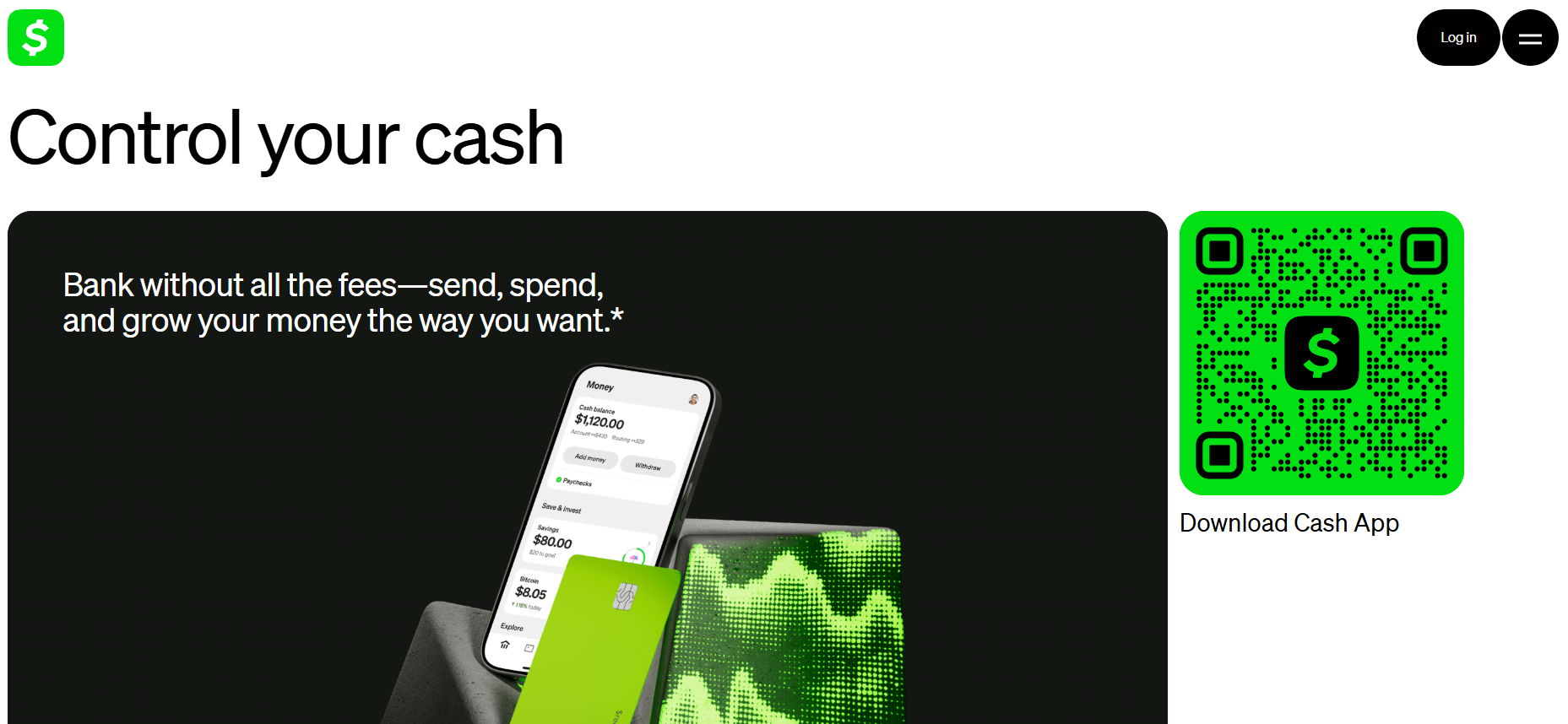
With Cash App’s peer-to-peer payment service, users can transfer money, make payments, and manage cash all from their smartphones.
Features
- Instant money transfers
- Cash App debit card
- Bitcoin buying and selling
- Direct deposit
- Stock investing
- Mobile payment support
Benefits
- Fast payments
- Easy bill splits
- Convenient online purchases
- Secure transactions
- Simple investments
7. Chime
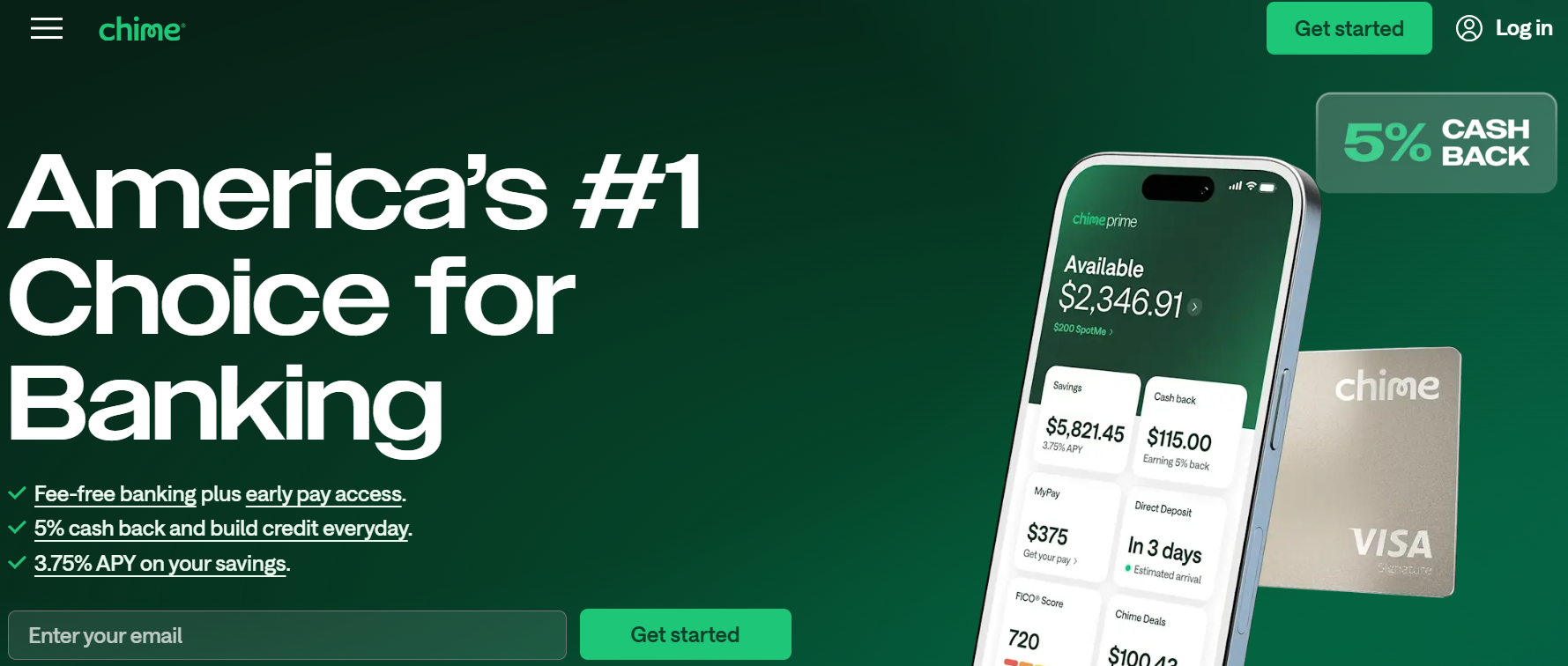
Chime is a digital platform that simplifies banking and personal finance with fee-free mobile banking.
Features
- No monthly maintenance fees
- Early direct deposit
- Automatic savings
- Debit card management
- Mobile check deposits
- Real-time transaction alerts
Benefits
- Lower banking costs
- Faster access to paychecks
- Easy money management
- Automatic savings habits
- User-friendly mobile banking
8. Coinbase
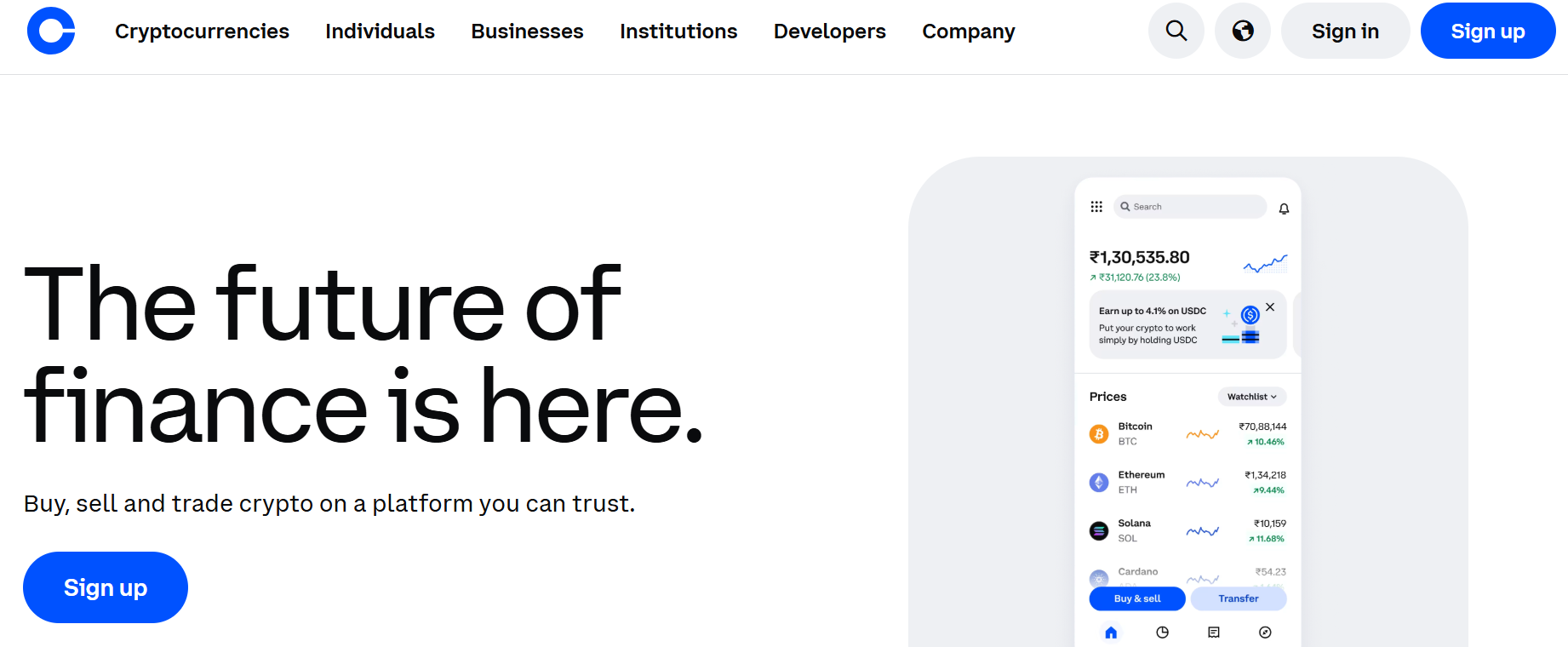
Cryptocurrency buying, selling, and trading are made easy and secure through Coinbase, one of the top options for a cryptocurrency exchange.
Features
- Buy and sell crypto
- Safeguarded Digital wallets
- Crypto staking
- Track portfolio
- Earn rewards for learning
- Tools for trade at an advanced level
Benefits
- Easier tools for trade on the web
- Strong safety measures
- Diversity in crypto
- Manage portfolio with ease
- Freedom for trade in the digital realm
- Fintech’s Crucial Advantages
Key Benefits of Fintech
The updated Fintech Statistics 2026 demonstrate why Fintech is supplanting Traditional Finance.
More Accessibility
Everyone can reach bank services every hour with a smartphone.
Reduced Costs
Digital Banking lowers the cost of doing business.
Speedy Transactions
Transfers that used to take days are done in seconds.
Enhanced Security
AI Fraud detection works around the clock to catch irregular transactions.
Better Services
Artificial Intelligence provides personalized tips for investments and budgeting.
Future Developments with Fintech Statistics 2026
The most recent Fintech Statistics 2026 demonstrate that beyond Digitized Payments, Financial Technology is advancing in Artificial Intelligence, Embedded Finance, Decentralized Finance (DeFi), and Open Banking, thereby enhancing connectivity in Finance. Implementing these technologies will provide businesses with greater control over their customers and lower their operating costs.
1. Artificial Intelligence in Finance
The journey of Artificial Intelligence in Banking and Financial Services is in the continuous automation of Menial Tasks and Augmentation of Decisions.
Main Uses
- AI Chatbots for Customer Service
- Automating Loan Approvals
- Fraud Detection with Machine Learning
- Tailored Financial Guidance
- Smart Investments
Advantages
- Faster Customer Service
- Low Risk of Fraud
- Efficiency in Operations
- Enhanced Financial Clarity
2. Embedded Finance
With Embedded Finance, businesses may apply Financial Services to their Sites and Mobile Applications.
Examples include
- BNPL
- In-app insurance
- Payment gateways
- Business financing at checkout
This trend increases customer satisfaction by making payment methods more convenient.
3. Open Banking
Open banking allows customers to share their financial data with third parties securely.
Benefits
- Superb budgeting tools
- Personal banking services
- Simple loan comparisons
- Better control
- Faster payments
4. Blockchain Technology
Blockchain remains at the top of the list of Fintech Statistics 2026 innovations. Financial institutions use blockchain to improve the security of transactions and lower the time for processing transactions.
Benefits
- Secure transactions
- Fraud reduction
- Faster settlement
- Lower operational costs
- Higher transparency
5. Digital Wallets
Digital wallets are replacing physical cash in many countries.
Wallets include:
- Apple Pay
- Google Pay
- Samsung Wallet
- PayPal
- Cash App
They are used to complete transactions, with purchasing highly secure and highly convenient, making them preferred for digital and physical purchases.
Also Read- Shocking Fintech Statistics 2026 That Will Transform Finance
Obstacles Facing the Fintech Industry
While fintech has made an enviable level of advancement, it still has hurdles to tackle.
Cybercrime
Digital finance has made cashless transactions an appealing target for cybercriminals. Companies must invest highly in modern security systems.
Regulatory Compliance
Every country has a set of financial regulations that make the global reach of many fintech companies problematic.
Customer Trust
Customers expect full disclosure on fees, privacy, and data protection.
Market Competition
Every year, thousands of companies flock into the fintech space, increasing competition and pushing companies to continuously innovate.
Future Predictions from Fintech Statistics 2026
| Trend | Expected Impact |
|---|---|
| AI Banking | Automation enables smarter financial decisions and personalized banking experiences. |
| Digital Wallets | Increased adoption of cashless and contactless transactions worldwide. |
| Blockchain | Greater security, transparency, and trust in financial systems and transactions. |
| Embedded Finance | Financial services become seamlessly integrated into everyday applications and platforms. |
| Open Banking | Drives innovation through secure data sharing and personalized financial services. |
| Digital Lending | AI accelerates loan approvals, credit assessments, and lending decisions. |
| Robo-Advisors | Makes professional investment management affordable and accessible to more people. |
| Biometric Security | Enhances account protection with fingerprint, facial recognition, and other biometric authentication methods. |
These predictions suggest that over the next few years, Fintech is likely to be among the fastest-growing technologies.
Why should businesses invest in Fintech?
Latest Fintech Statistics 2026 suggest that businesses investing in financial technology gain the following competitive benefits.
- Better customer experience
- Faster processing of payments
- Lower operational costs
- Better fraud management
- Better financial reports
- More scalable businesses
- Better client retention
- Improved global payments
Fintech offers solutions and businesses that are ready for the tomorrow digital marketplace.
Conclusion
Latest Fintech Statistics 2026 prove that financial technology is no longer a niche area and is now becoming the pillar of today’s modern finance. AI, Blockchain, Digital Wallets, Embedded Finance, and Open Banking are all the technologies that are changing the way customers and businesses transact.
With the increasing levels of digitization, Fintech will help businesses to transact in a more secure and personalized manner using the latest technology. Businesses, investors, and everyday marketplace participants can all use the 2026 Fintech Statistics to stay ahead of the curve with the latest trends and make more rational financial decisions.
The focus of the future of finance is digitization, and Fintech is driving that.
Frequently Asked Questions
1. What are Fintech Statistics 2026?
Representing new data on trends and user adoption, Fintech Statistics 2026 cover projections for the year 2026 for the global financial technologies market.
2. Why is fintech growing so quickly?
Fintech is growing rapidly due to the prevalence of smartphones, the wide adoption of digital payments, AI, and blockchain, and, of course, the need for speed and convenience when accessing financial services.
3. Which fintech apps are expected to be the most widely used in 2026?
Expected most used fintech apps are expected to be PayPal, Stripe, Revolut, Wise, Robinhood, Cash App, Chime, Coinbase.
4. How does Artificial Intelligence help in fintech?
AI helps in detecting fraud, and lends to the improvement of customer support, and the approval of loans, forecasting and budgeting. AI helps with the personalization of investment advice.
5. What is embedded finance?
Embedded finance refers to the integration of payment processing, lending, and insurance services into business applications.
6. Is fintech safe?
Fintech apps are generally safe, and take the protection of financial data seriously. Most fintech apps use encryption, biometrics, and fraud detection based on AI.
7. What is the potential for fintech?
The projection for the fintech industry is the increased use of AI banking, blockchain payments, digital wallets, open banking, and DeFi. As the services become more tailored to individual needs, the global economy will become more efficient, and access to financial services will improve.