Powerful SaaS Growth Statistics That Will Shock You
+
Table of Contents
- 1 Powerful SaaS Growth Statistics at a Glance
- 1.1 Why SaaS Is Growing So Fast
- 1.1.1 1. Lowest Operating Costs
- 1.1.2 2. Remote Work
- 1.1.3 3. Scalable Subscriptions
- 1.1.4 4. User Uninterrupted Updates
- 1.1.5 5. Added AI Features
- 2 Best-Performing SaaS Applications and Uses
- 2.1 1. Salesforce
- 2.1.1 Key Features
- 2.1.2 Benefits
- 2.2 2. Microsoft 365
- 2.2.1 Key Features
- 2.2.2 Benefits
- 2.3 3. Google Workspace
- 2.3.1 Key Features
- 2.3.2 Benefits
- 2.4 4. Slack
- 2.4.1 Key Features
- 2.4.2 Benefits
- 2.5 5. Zoom
- 2.5.1 Key Features
- 2.5.2 Benefits
- 2.6 6. HubSpot
- 2.6.1 Key Features
- 2.6.2 Benefits
- 2.7 7. Canva
- 2.7.1 Key Features
- 2.7.2 Benefits
- 2.8 8. Shopify
- 2.8.1 Key Features
- 2.8.2 Benefits
- 2.9 9. Notion
- 2.9.1 Key Features
- 2.9.2 Benefits
- 2.10 10. Dropbox
- 2.10.1 Key Features
- 2.10.2 Benefits
- 2.11 Benefits of SaaS for Businesses
- 3 Features of the Future
- 4 Final thoughts
The Sale of Software as a Service (SaaS) has created a separation from the traditional use of software for the consumer and the business. Before SaaS, businesses had to pre-purchase an expensive software license and maintain the infrastructure. Now, businesses subscribe to a cloud solution. SaaS is now ubiquitous for business needs; from startups to Fortune 500s, SaaS has become the de facto solution for communication, customer relationship management, project management, accounting, marketing, and collaboration.
As seen with the latest Powerful SaaS Growth Statistics, the SaaS business is aggressively growing. Along with the rest of the business world, SaaS is seen to be growing with the adoption of the cloud, artificial intelligence, automation, and remote work. SaaS has become a highly sought-after solution for businesses since it is affordable and scalable.
This article will iterate the most salient Powerful SaaS Growth Statistics, explain the leading SaaS applications, and provide insight for the future of SaaS.
Powerful SaaS Growth Statistics at a Glance
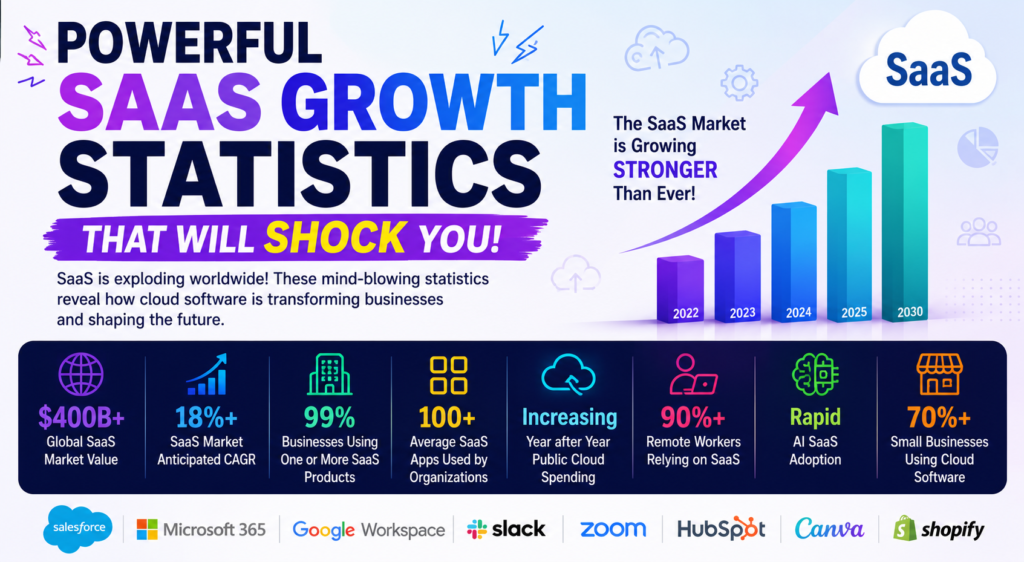
Here are some eye-opening statistics that demonstrate the rapid expansion of the SaaS industry:
| Statistic | Value |
|---|---|
| Global SaaS Market Value | $400 Billion+ |
| SaaS Market Anticipated CAGR | 18%+ |
| Businesses Using One or More SaaS Products | 99% |
| Average SaaS Applications Used per Organization | 100+ |
| Public Cloud Spending | Increasing Year after Year |
| Remote Workers Relying on SaaS | 90%+ |
| AI-Powered SaaS Adoption | Rapid Industry Growth |
| Small Businesses Using Cloud Software | 70%+ |
Why SaaS Is Growing So Fast
SaaS Growth Reasons
1. Lowest Operating Costs
Historically, software purchased and housed on business-owned and managed hardware had higher costs for hardware, setup, repairs, and an on-site IT person. SaaS replaces a lot of these costs with a cloud-hosted monthly and yearly subscription.
2. Remote Work
In a SaaS reliant business world, cross-company employee collaborability is easier when the software can be used anywhere.
3. Scalable Subscriptions
Businesses can change the size and scale of their subscriptions without the added costs of new hardware.
4. User Uninterrupted Updates
SaaS companies generally provide newly developed features, security enhancements, and bug fixes during a downtime period with no interruption to the users.
5. Added AI Features
Automation, predictive analytics, chatbots, content generation, improved interfaces, and workflows are added through AI.
Best-Performing SaaS Applications and Uses
Below are some of the top-performing applications based on Powerful SaaS Growth Statistics.
| Application | Category | Best For |
|---|---|---|
| Salesforce | CRM | Sales & Customer Management |
| Microsoft 365 | Productivity | Business Collaboration |
| Google Workspace | Productivity | Teams & Education |
| Slack | Communication | Workplace Messaging |
| Zoom | Video Conferencing | Meetings & Remote Work |
| HubSpot | Marketing & CRM | Small and Medium Businesses |
| Canva | Design | Marketing & Content Creation |
| Shopify | E-commerce | Online Stores |
1. Salesforce
Salesforce is one of the largest cloud software companies and continues to dominate the SaaS market.
Key Features
- CRM
- Sales AI
- Marketing automation
- Customer support
- Business analytics
- Workflows
Benefits
- Better relationships with customers
- More productive sales staff
- Tasks are automated
- Insights for the business are included
Salesforce perfectly illustrates that even complex business models are cloud software
2. Microsoft 365
Microsoft 365 is not your traditional office software. It is one of the most versatile SaaS offerings for productivity.
Key Features
- Word
- PowerPoint
- Excel
- Outlook
- Microsoft Teams
- OneDrive
- Copilot
Benefits
- Collaboration on documents is easy
- Cloud storage is secure
- Business-grade security with constant updates
- Remote working is a breeze
It is one of the major contributors to Powerful SaaS Growth Statistics.
3. Google Workspace

Powerful SaaS Growth Statistics continue to show that among startups, educational institutions, and businesses alike, Google Workspace is an affordable option for cloud collaboration.
Key Features
- Gmail
- Google Docs
- Sheets
- Slides
- Meet
- Drive
- Calendar
Benefits
- Collaborative in real-time
- Backups performed automatically
- Simple sharing capabilities
- Access from any device
- Easily compatible with other tools
- Fastest growing
4. Slack
Slack has replaced email chains with channels, and thus, segmented and separate communications have been simplified.
Key Features
- Communications
- Channels
- File Sharing
- Calls
- Communications
- Automation
- Integrations
Benefits
- Super-Communication
- Collaboration
- Less Email
- Less Overload
- Better Coordination
- Total Productivity
Zoom is a prime example of the recent explosive growth highlighted in the most major SaaS growth statistics.
5. Zoom
Zoom experienced explosive adoption during the remote work boom and remains one of the leading video conferencing SaaS applications.
Key Features
- HD Meetings
- Webinars
- Screen Sharing
- AI Summaries
- Recordings
- Chat
Benefits
- Global Teams
- Less Travel
- Full Support of Hybrid
- Enhanced Communication
- Total Ease
6. HubSpot
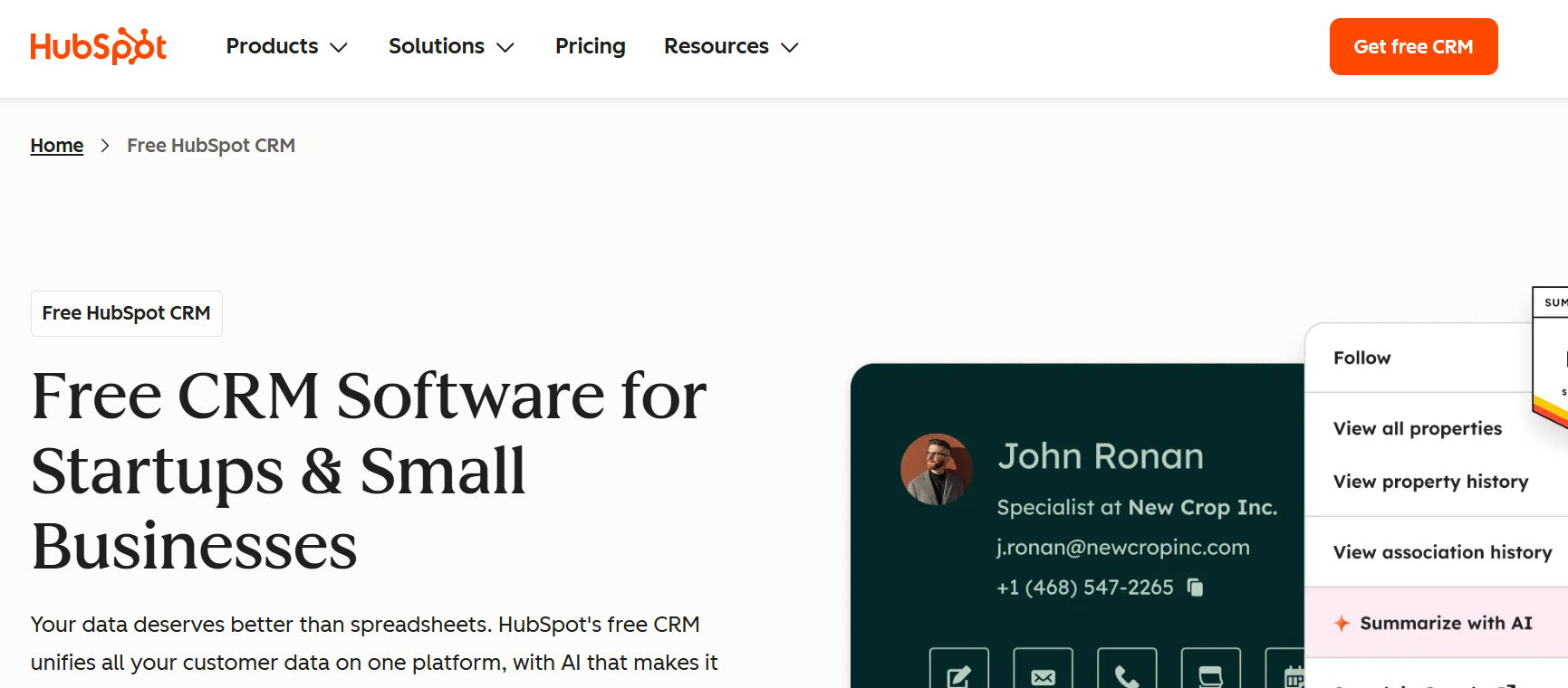
For a lot of businesses, this all-in-one marketing & sales solution is the most effective SaaS on the market. Popular among smaller enterprises, especially start-ups, it combines sales & marketing with customer relations and customer service.
Key Features
- Client Management
- Automated Email Marketing
- Lead Generation Automation
- Sales Pipeline Management
- Chat/Chatbot
- Marketing Analytics
- AI Content Support
Benefits
- Easy Client Management
- Better Lead Conversions
- Marketing Automation
- Improved Client Engagement
- Automated Reporting
- Continuous Improvement
HubSpot’s SaaS product reflects the trends mentioned in the Powerful SaaS Growth Statistics. Integrated business platforms are gaining traction.
7. Canva

By democratizing the ability to create high-quality design, Canva has completely disrupted the graphic design industry.
Key Features
- Templates
- Image Generation
- Background Remover
- Brand Kits
- Design Collaboration
- Social Media Scheduling
Benefits
- Reduced Time to Design
- Lower Cost of Marketing
- Increased Collaboration
- Team Design Support
- Professional Designs
Rapid Expansion in the Graphic Design Space
8. Shopify

Shopify is the e-commerce giant of SaaS, powering millions of online stores.
Key Features
- Build Online Store
- Payment Security
- Manage Inventory
- Integrate Mobile Commerce
- Marketing Tools
- Business Analytics
Benefits
- Fast Business Start
- Safe Transactions
- Grows with Business
- Exceptional Service
- Sell Anywhere
Shopify is a clear contributor to the Powerful SaaS Growth Statistics in the Global Retail space.
9. Notion
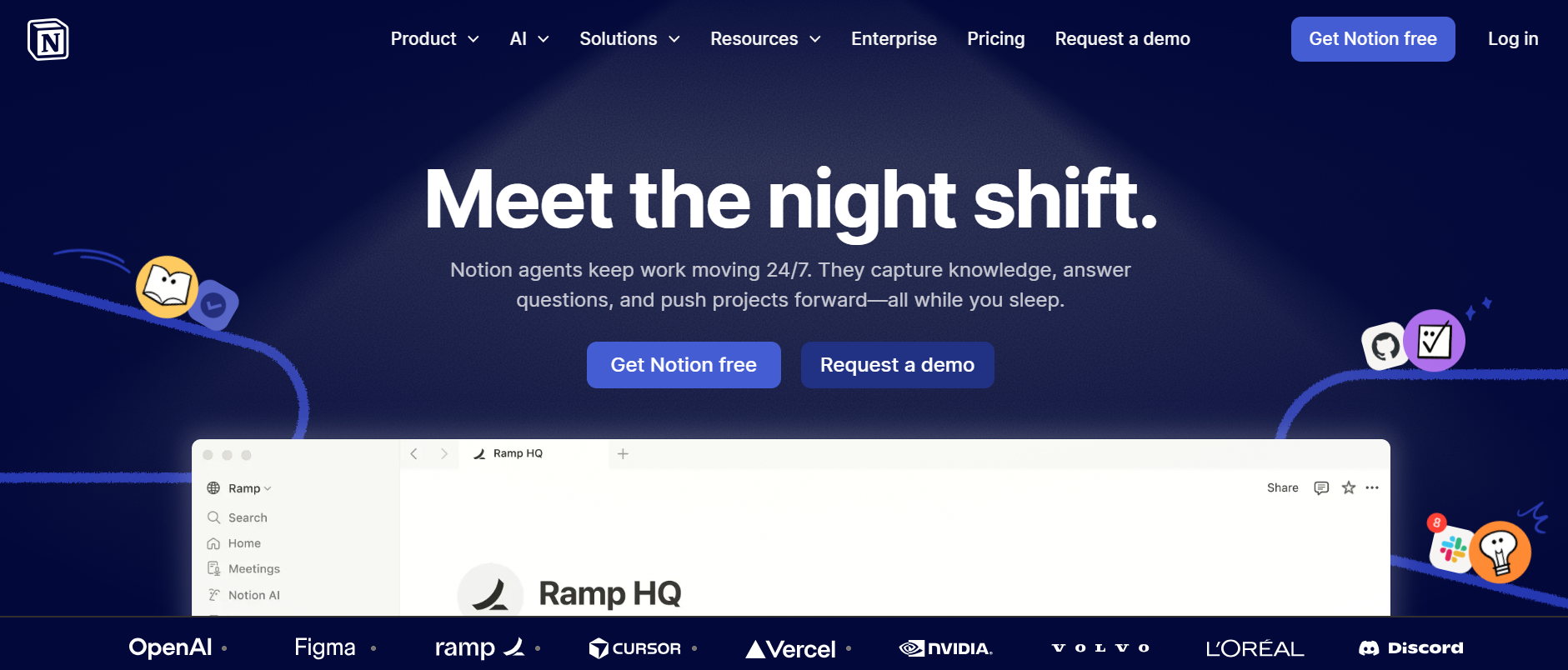
By integrating so many features into one platform, Notion has become the most popular workspace for individuals, start-ups, and enterprises.
Key Features
- Making documents
- Managing projects
- Creating a knowledge base
- Collaborating with teams
- AI writing aid
- Using templates
- Managing databases
Benefits
- Organizes data
- Enhances collaboration
- Eliminates software bloat
- Increases efficiency
- Customizations
Notion is evidence that modern SaaS offerings are combining into comprehensive solutions for digital workspaces.
10. Dropbox
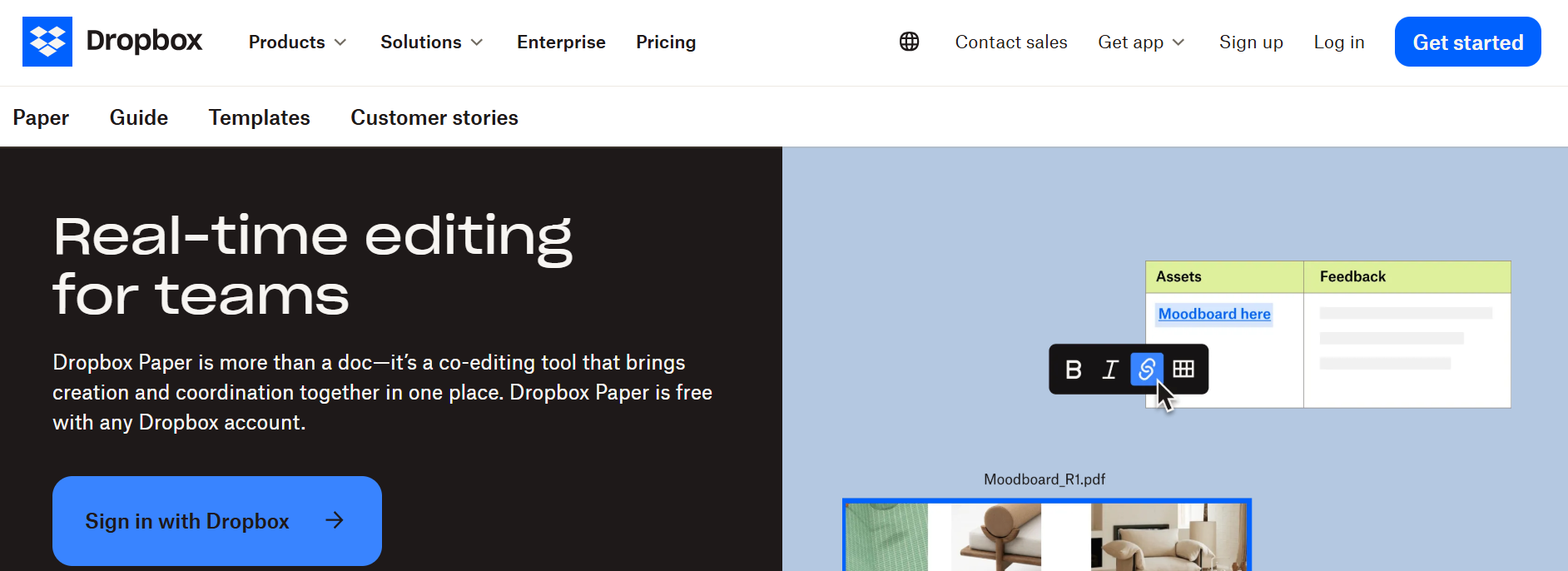
Dropbox is a classic and reliable cloud storage and file sharing solution.
Key Features
- Cloud storage
- Files backed up automatically
- Sync files
- Share securely
- View past versions of files
- Create team folders
Benefits
- File security
- Remote Work
- Files are easy to recover
- Files can be accessed from anywhere
- Files can perpetually be accessed
- Cloud storage is essential for modern business.
Benefits of SaaS for Businesses
Every business has a new reason to leverage SaaS because of the
- Reduced the cost of software
- Fast implementation of SaaS solutions
- Safer software
- No more manual updates of software
- Variable subscriptions
- Cooperation increases
- Productivity increases
- It’s easier to scale
Employees can access the required software from anywhere
Now, with SaaS and cloud software, businesses can start the automation of AI in their software.
Also Read- Best Cloud Storage Services That Will Transform Your Digital Life
Features of the Future
Artificial intelligence is the next wave of SaaS, and businesses can reap the rewards of predictive analytics, AI chatbots, automation, personalization, and reporting. The next phase of SaaS will be vertical. Rather than offering software that serves a general industry like business, specific software will be developed for the business of healthcare, education, or banking.
No-code and low-code software
Programless application building has gone mainstream. Faster application building and lower costs have driven widespread adoption.
- Advanced cybersecurity
- SaaS providers are integrating
- Multi-factor authentication
- Data Encryption
- Zero-trust security
- Compliance management
- AI threat detection
With cyber threats on the rise, these security measures are becoming the expected standard.
API driven ecosystems
SaaS applications work with hundreds of third-party integrations. This empowers companies to automate their processes and streamline operations.
Powerful SaaS growth statistics paint a picture of a software industry on the rise.
SaaS adoption
Companies are abandoning on-premises software in favor of SaaS due to:
- Less money spent at the onset
- Pay as you go rather than buy
- Faster and automated software updates
- Enhanced collaboration, greater accessibility, and improved scalability
- Less work for IT
- SaaS software is endlessly evolving
Cloud software is flexible enough to allow businesses from 10 to 10 million employees to compete in the digital marketplace.
Final thoughts
Powerful SaaS growth statistics show how essential cloud software has become to the foundation of modern business. Cloud software from Microsoft 365, Google Workspace, Salesforce, Shopify, HubSpot, Canva, Notion, Slack, Zoom, Dropbox, and beyond is accelerating business growth through cost reduction and improved operational efficiency.
SaaS (Software as a Service) and its development paint a bright future. Cloud-based solutions are the future of software, and the statistics prove that the SaaS market is only expected to grow further.
The use of Artificial Intelligence, Automation, Cloud Computing, and other emerging technologies is expected to disrupt the SaaS market on a larger scale. Companies that are early to adopt these technologies are expected to build a significant competitive advantage and benefit from improved customer satisfaction and operational efficiency while capturing sustained profitability.
Frequently Asked Questions (FAQs)
1. What are SaaS growth statistics?
SaaS Growth Statistics are statistics depicting the growth of SaaS (Software as a Service) including statistics on market size, the rate of adoption, revenue generation, and future estimates.
2. Why is the SaaS industry growing so quickly?
The rapid growth of the SaaS market is attributed to the benefits that cloud software provides businesses including reduced costs, remote access, automatic software updates, flexibility and scalability, as well as the inclusion of AI.
3. What are the most popular SaaS applications?
The most popular SaaS applications include Salesforce, Microsoft 365, Google Workspace, Slack, Zoom, HubSpot, Shopify, Canva, Notion, and Dropbox.
4. What are the main benefits of SaaS?
Benefits of SaaS include reduced costs, improved collaboration, automatic updates, enhanced security, flexible subscription pricing, and easy scalability.
5. What is the future of the SaaS market?
Further disruptions of SaaS by Artificial Intelligence and Automation are likely while low code and no code solutions, industry specific solutions, cybersecurity, and advanced cloud services are expected to accelerate SaaS growth globally.