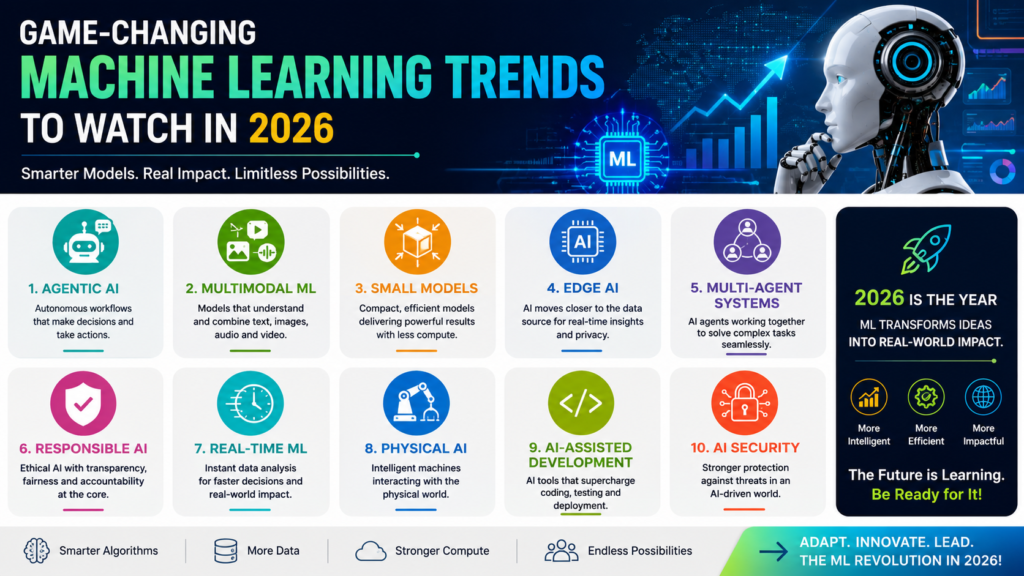
Game-Changing Machine Learning Trends to Watch in 2026
+
Table of Contents
- 1 Machine Learning Trends in 2026
- 1.1 1. Machine Learning with Agentic AI
- 1.2 2. Mainstream Adoption of Multimodal Machine Learning
- 1.3 3. Smaller and More Efficient Models Gain Momentum
- 1.4 4. Edge AI Brings ML Closer to Users
- 1.5 5. Multi-Agent Systems Transform Automation
- 1.6 6. Responsible AI Becomes Essential
- 1.7 7. Real-Time Machine Learning Gains Importance
- 1.8 8. Machine Learning Moves Into Physical AI
- 1.9 9. AI-Powered Development Accelerates ML Engineering
- 1.10 10. Security and Governance Become Competitive Advantages
- 2 Key Machine Learning Trends in 2026
- 3 Conclusion
2026 marks a new chapter in the evolution of Machine Learning. Rather than just predictive engines and recommendation systems or experimental AI applications, ML technologies will be foundational in the development of intelligent and autonomous agents, devices, and systems, automation of business operations, robotics, and real-time decision-making. Major companies are preparing for a significant shift in the industry from experimental AI to the deployment of useful and practical AI technologies across different business units, focusing on their internal operations and adopting an approach to improve efficiency, implement controls, and deliver visible value to the business.
For businesses, developers, and professionals operating in the technology space, the latest trends and advances in Machine Learning will be of crucial importance. The following are some of the most important trends in Machine Learning for 2026.
Machine Learning Trends in 2026
1. Machine Learning with Agentic AI
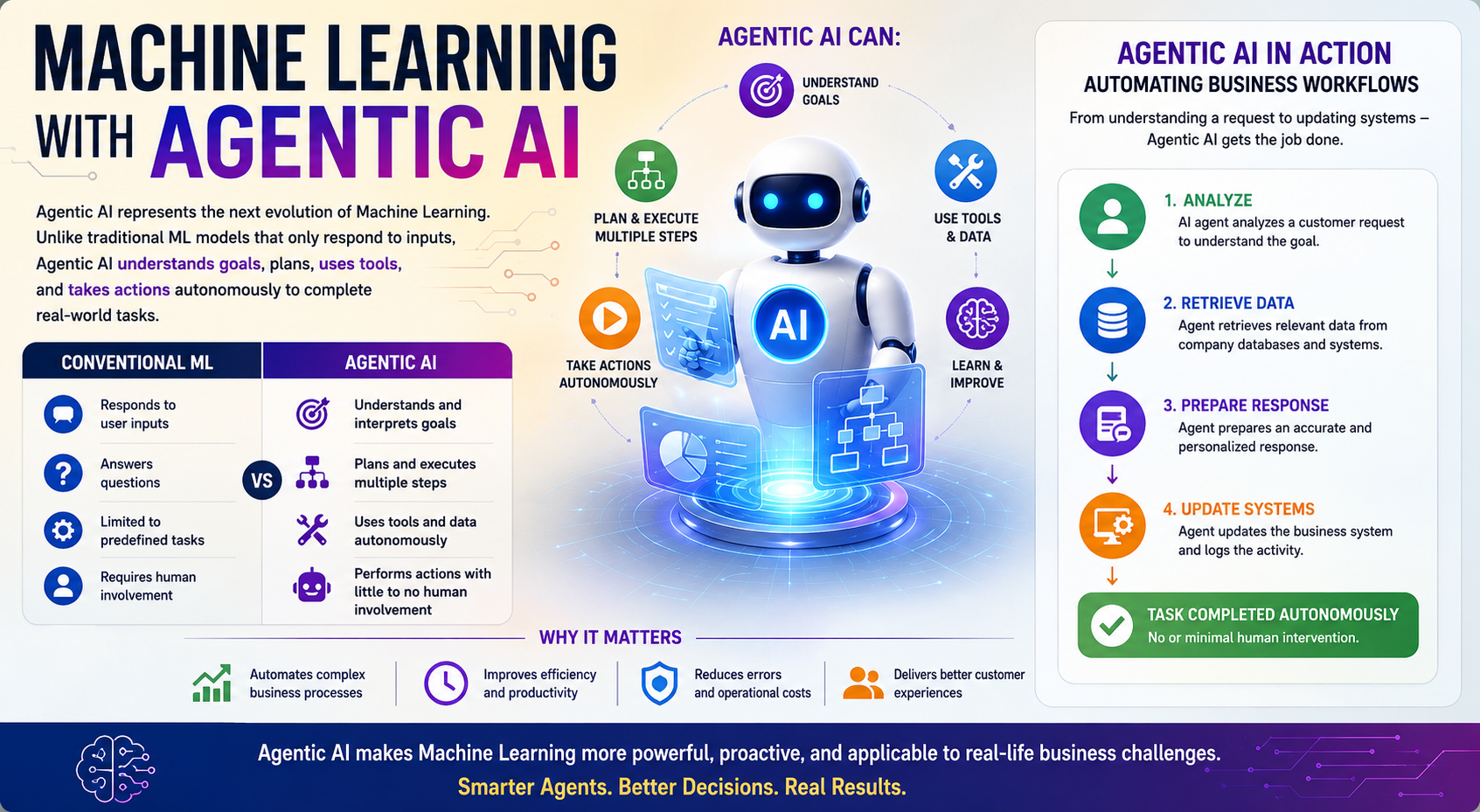
This year, significant growth in Agentic AI is expected. Unlike conventional ML systems, which are designed to respond to users’ inputs, Agentic AI systems and agents have the capability to understand and interpret goals, design and execute multiple steps, use tools, and perform various actions with little to no human involvement.
An important trend in Agentic AI in 2026 is automated business process management and workflow systems. Google Cloud expects many organizations to adopt Agentic AI technologies to deal with business workflow processes, as opposed to conventional systems that are designed to answer questions.
For instance, an AI agent can analyze a customer request, retrieve request data from the company database, prepare a response, and update a business system. This makes Machine Learning more applicable to real-life tasks.
2. Mainstream Adoption of Multimodal Machine Learning
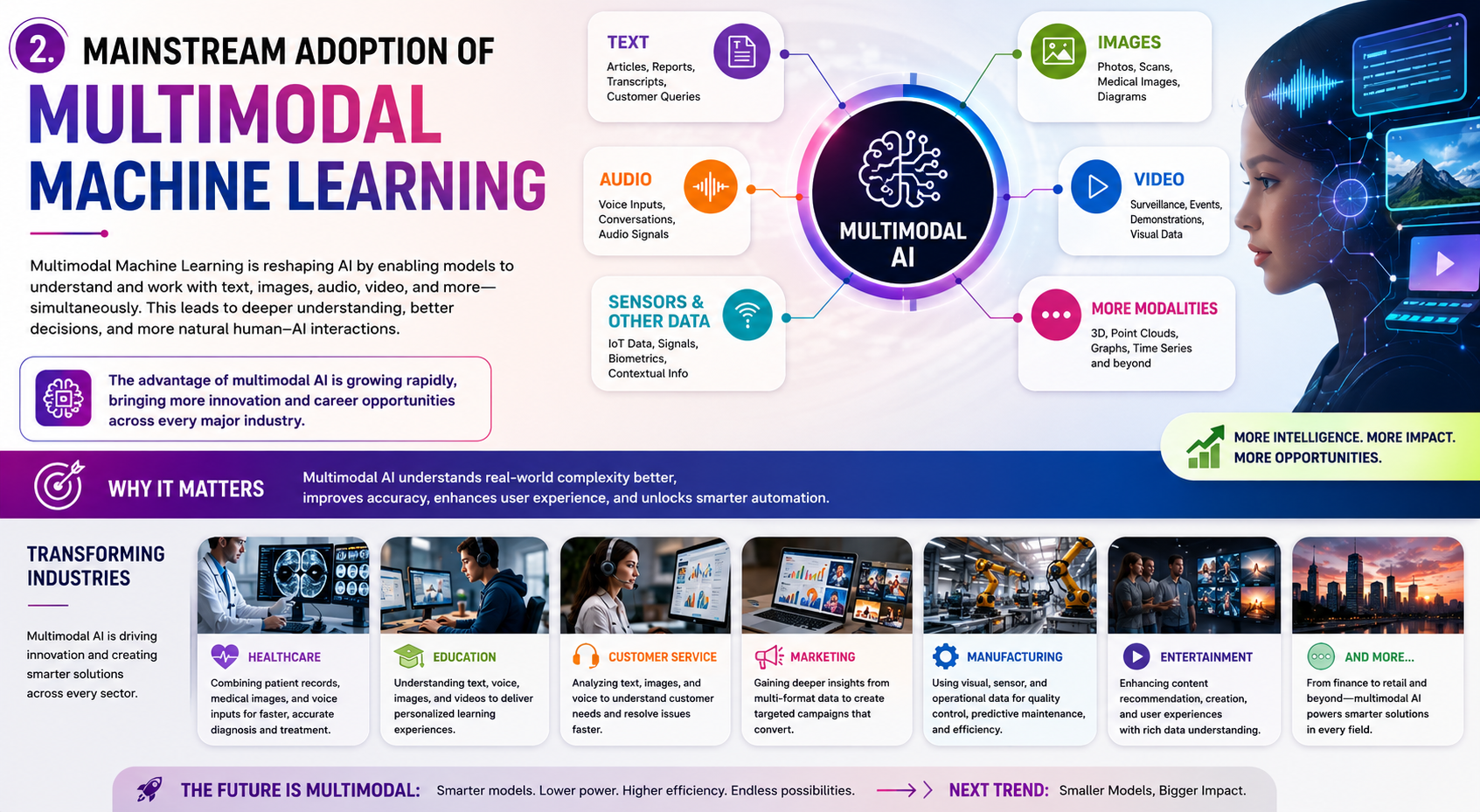
Another major trend is the emphasis on multimodal Machine Learning. In the past, most models were designed to process only text, whereas contemporary models can operate with combinations of text, images, audio, video, and other forms of data.
This means AI systems can more naturally understand complex situations. An example can use a combination of a transcription of patient data, medical images, and even voice inputs. Similar capabilities can be applied to customer service systems that analyze texts and images with spoken customer inputs. Even more, multimodal AI systems can understand different types of inputs better, which can enhance the interaction between humans and computers, resulting in more career opportunities, faster and more effective treatments in health, education, marketing, manufacturing, entertainment, service, and other areas.
The advantage of using multimodal AI is going to increase, and so will the number of career opportunities. In the following years, the focus of machine learning is going to be on creating smaller models that use less power but are more efficient.
3. Smaller and More Efficient Models Gain Momentum
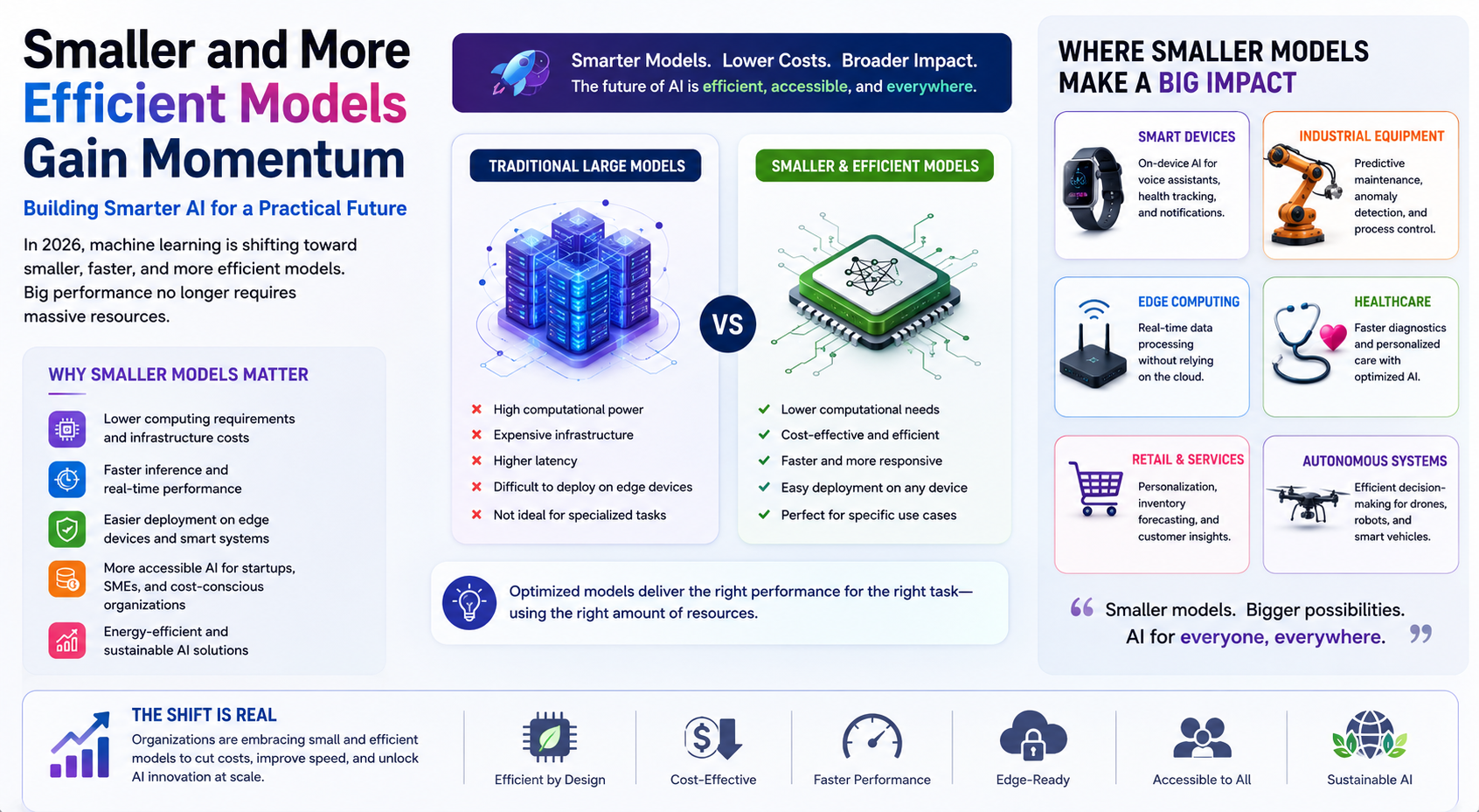
Bigger models are not always better for every application. In 2026, machine learning development is increasingly focused on creating smaller, faster, and more efficient models.
Small language models and optimized ML systems can require fewer computing resources while still delivering strong performance for specialized tasks. This can reduce infrastructure costs and make AI practical for organizations that cannot afford massive computing environments.
Since smaller models use less computing power, utilizing specialized models becomes more affordable. There are numerous uses, like smart devices and industrial equipment with limited computing.
4. Edge AI Brings ML Closer to Users
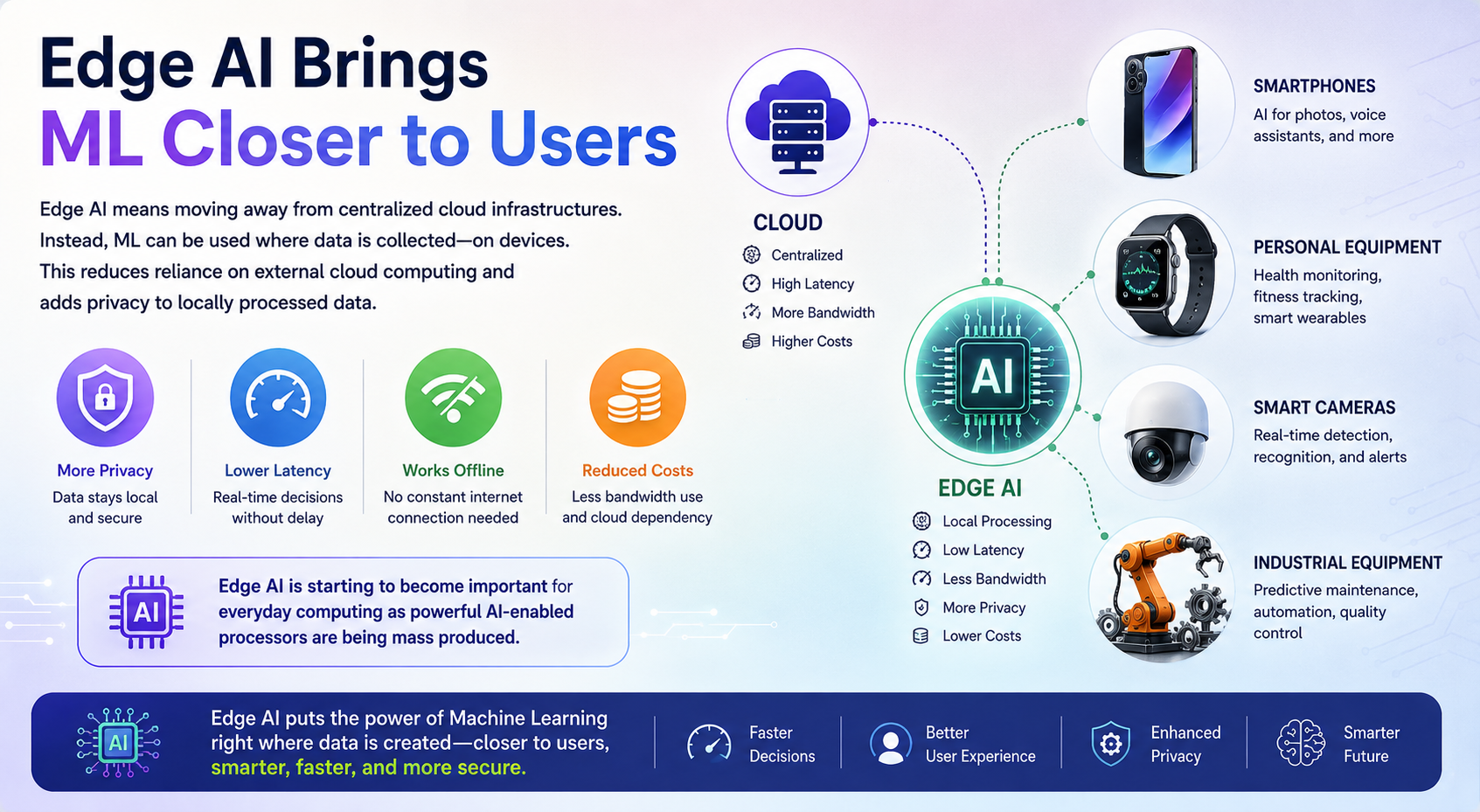
Edge AI means moving away from centralized cloud infrastructures. Instead, ML can be used where data is collected, and most data is collected on devices. This reduces the reliance on external cloud computing and adds privacy to locally processed data. Edge AI is very useful in smartphones, personal equipment, smart cameras, and industrial equipment.
Edge AI is starting to become important for everyday computing as powerful AI-enabled processors are beginning to be mass-produced.
5. Multi-Agent Systems Transform Automation
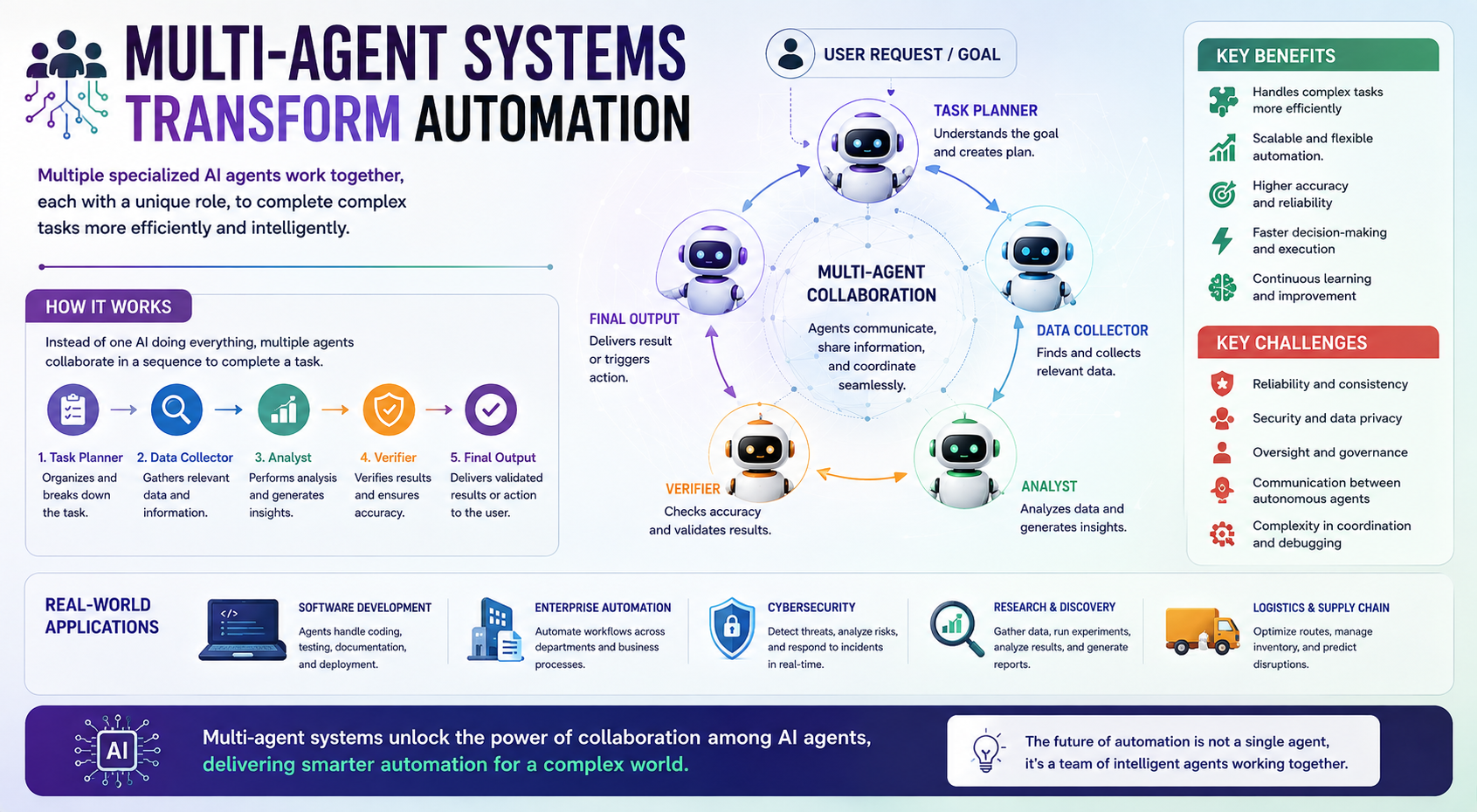
Rather than relying on a single AI system to perform each task, organizations are using several specialized agents to work collaboratively.
For example, an agent may organize a task, while another agent may gather the relevant data, another may perform the analysis, and finally, another may verify the result. Such an approach may help simplify complex processes and workflows.
Multi-agent systems may help develop software, automate enterprises, strengthen cybersecurity, help with research, and streamline logistics. However, the significant number of autonomous systems poses a plethora of new issues with reliability, security, oversight, and communication.
6. Responsible AI Becomes Essential
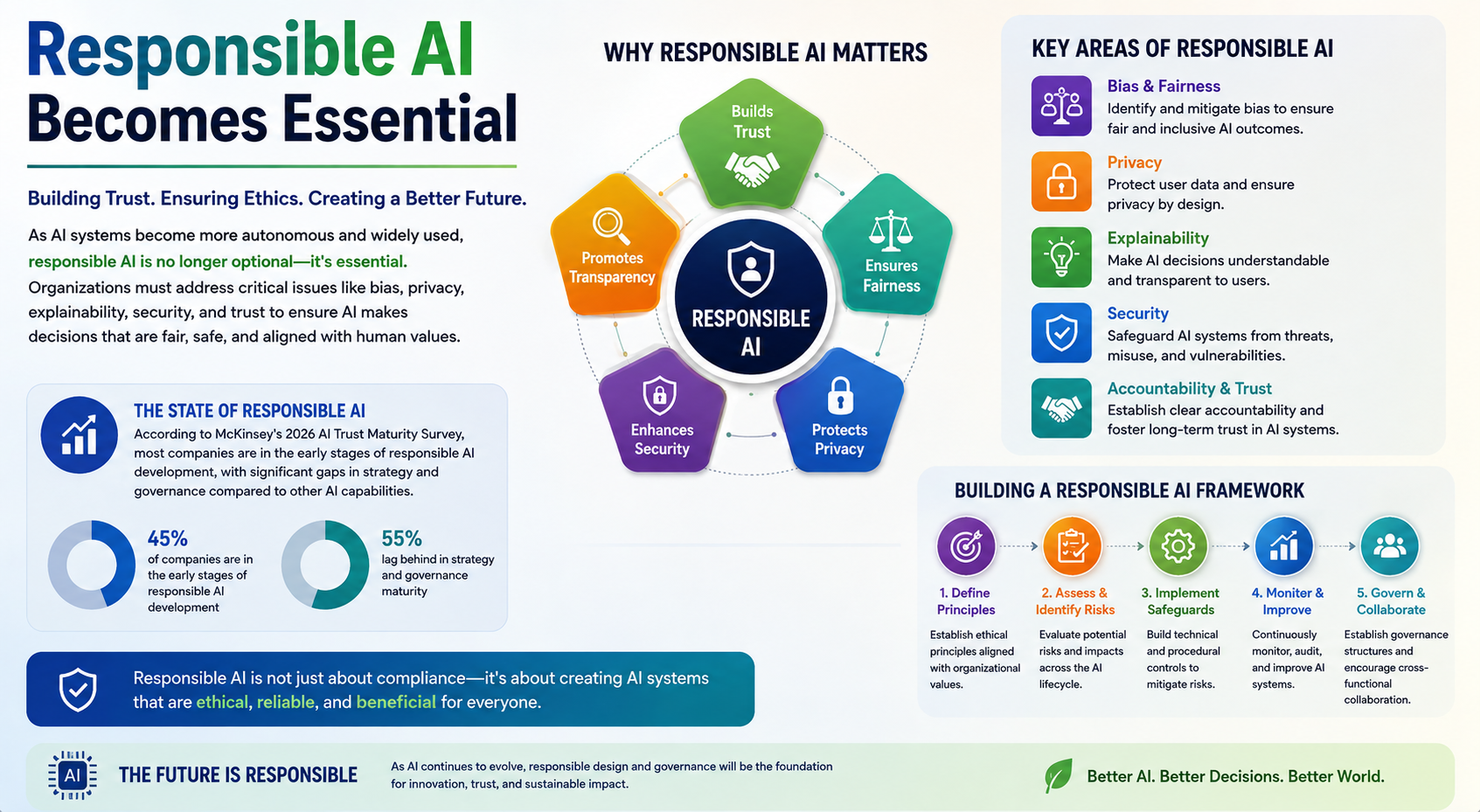
The more autonomous machine-learning systems become, the more responsible AI becomes an essential part of the design.
The use of AI systems introduces numerous additional considerations, including bias, privacy, explainability, security, and trust. These issues become more pronounced when AI systems are not simply interpreting data, but are making decisions or actually performing tasks.
According to McKinsey’s 2026 AI Trust Maturity Survey, most companies are focused on developing their first elements of responsible AI, but lags still exist relative to other AI capabilities, especially in the areas of strategy and governance.
This indicates that companies will need to develop frameworks and systems for governing and overseeing responsibly managed AI more than ever in the future.
7. Real-Time Machine Learning Gains Importance
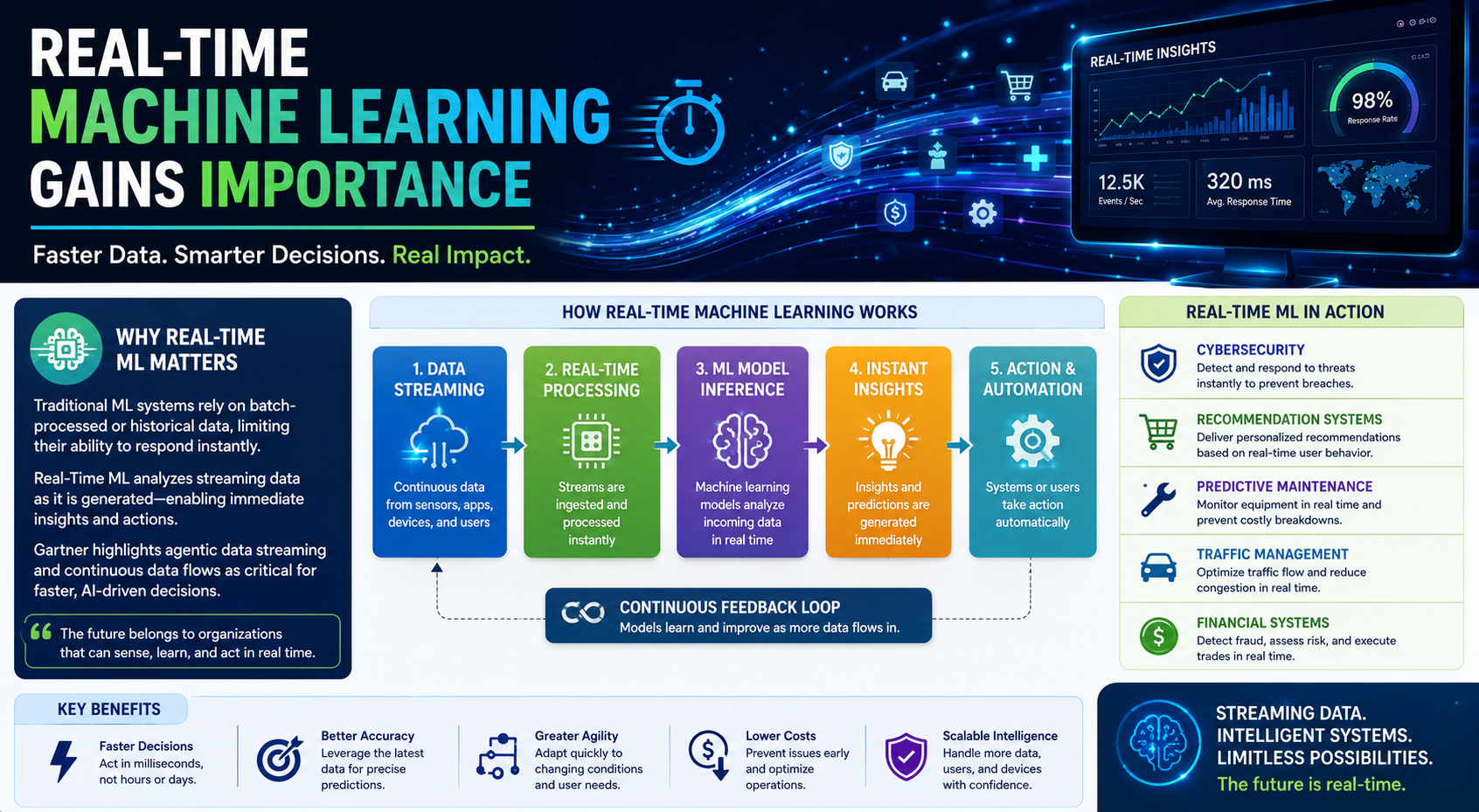
Historically, most machine learning systems have relied on batch-processed or historical data, which restricts them from providing real-time responses. Real-time ML, in comparison, has the capacity to respond to and analyze constantly changing data. Some examples are cybersecurity systems, recommendation systems, predictive maintenance systems, traffic management systems, and financial systems.
Gartner identifies agentic data streaming and continuous data flows as vital for organizations that aim for faster AI-driven decisions.
The combination of streaming data and machine learning could create intelligent systems that are more responsive and more flexible.
8. Machine Learning Moves Into Physical AI
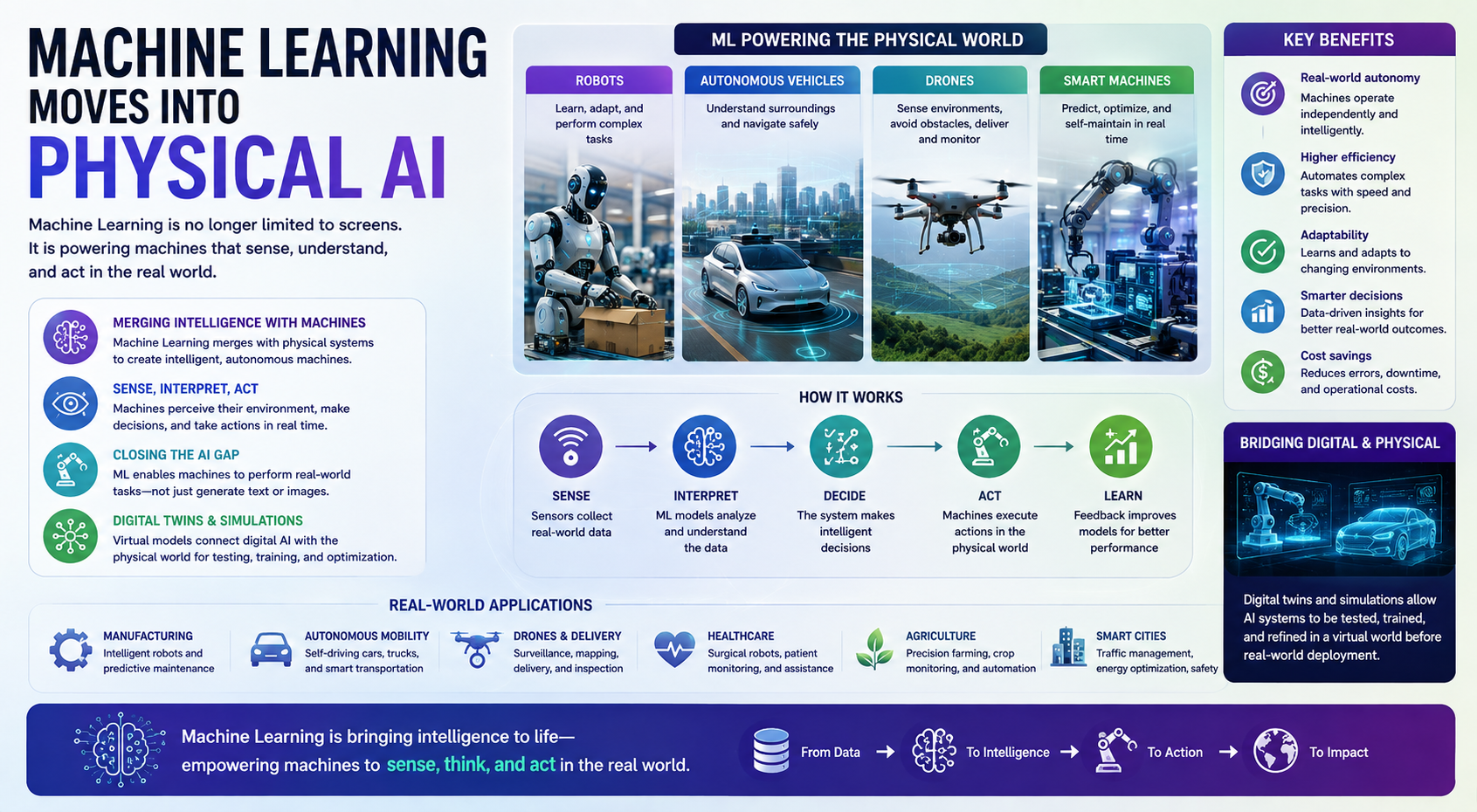
Another exciting technology addition is the merging of machine learning with physical machines.
Robots, vehicles, drones, and other smart machines and equipment can use machine learning to sense and interpret, then act upon, their surroundings.
Machine learning systems are closing the AI gap between the digital and physical worlds. These systems can now perform tasks in the real world that in the past could only produce text and images.
Digital AI and the physical world are connected through digital twins and simulations that allow intelligent systems to be tested in the real world.
9. AI-Powered Development Accelerates ML Engineering
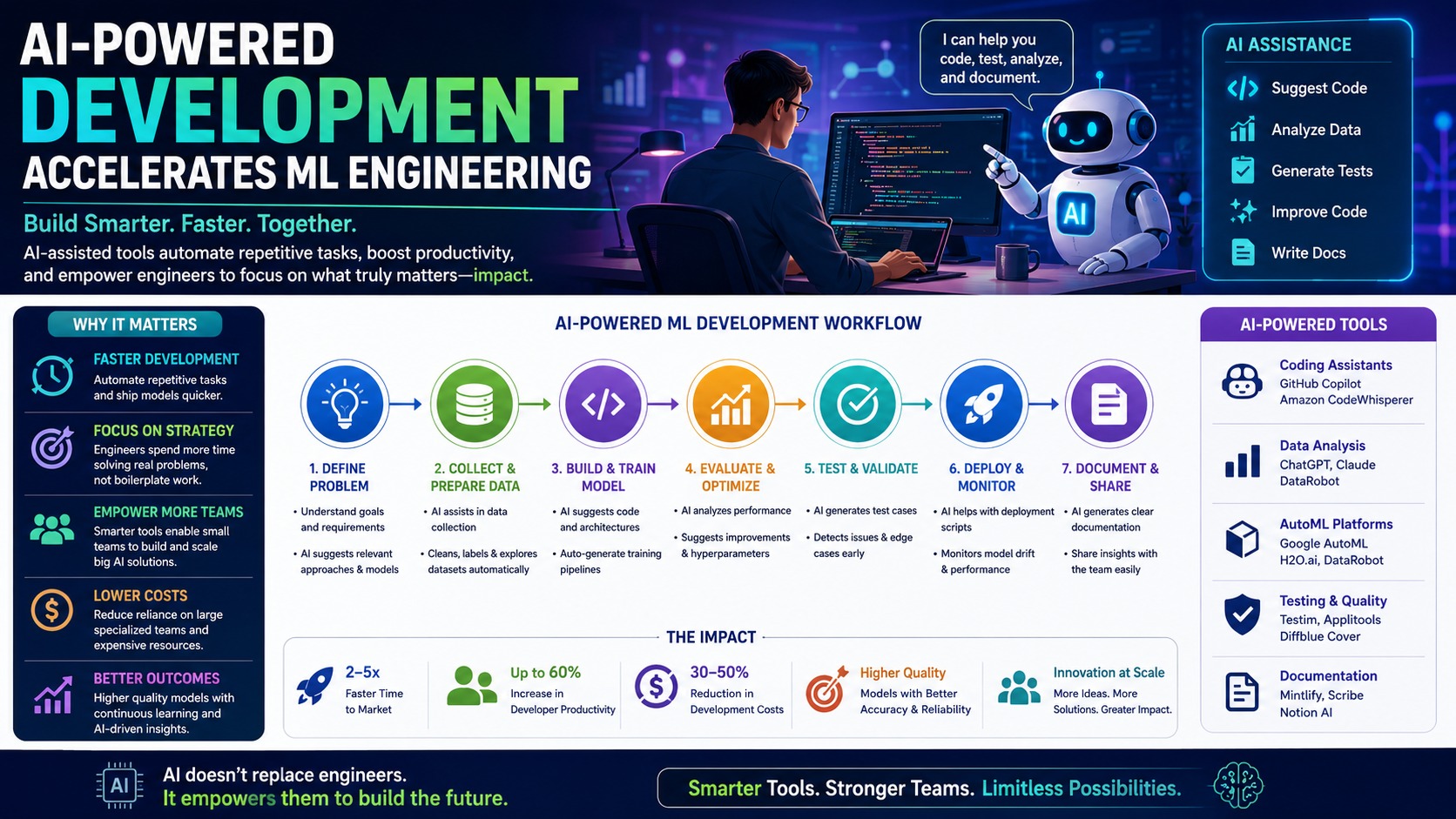
The automation of machine learning development will continue and lead to coding assistants, tools that suggest code, test code, analyze datasets, and even suggest project documentation.
AI-assisted tools should allow engineers to devote more time to the strategy of their projects, rather than the tools and techniques.
It could allow more teams to deploy big AI projects without large specialized teams.
10. Security and Governance Become Competitive Advantages
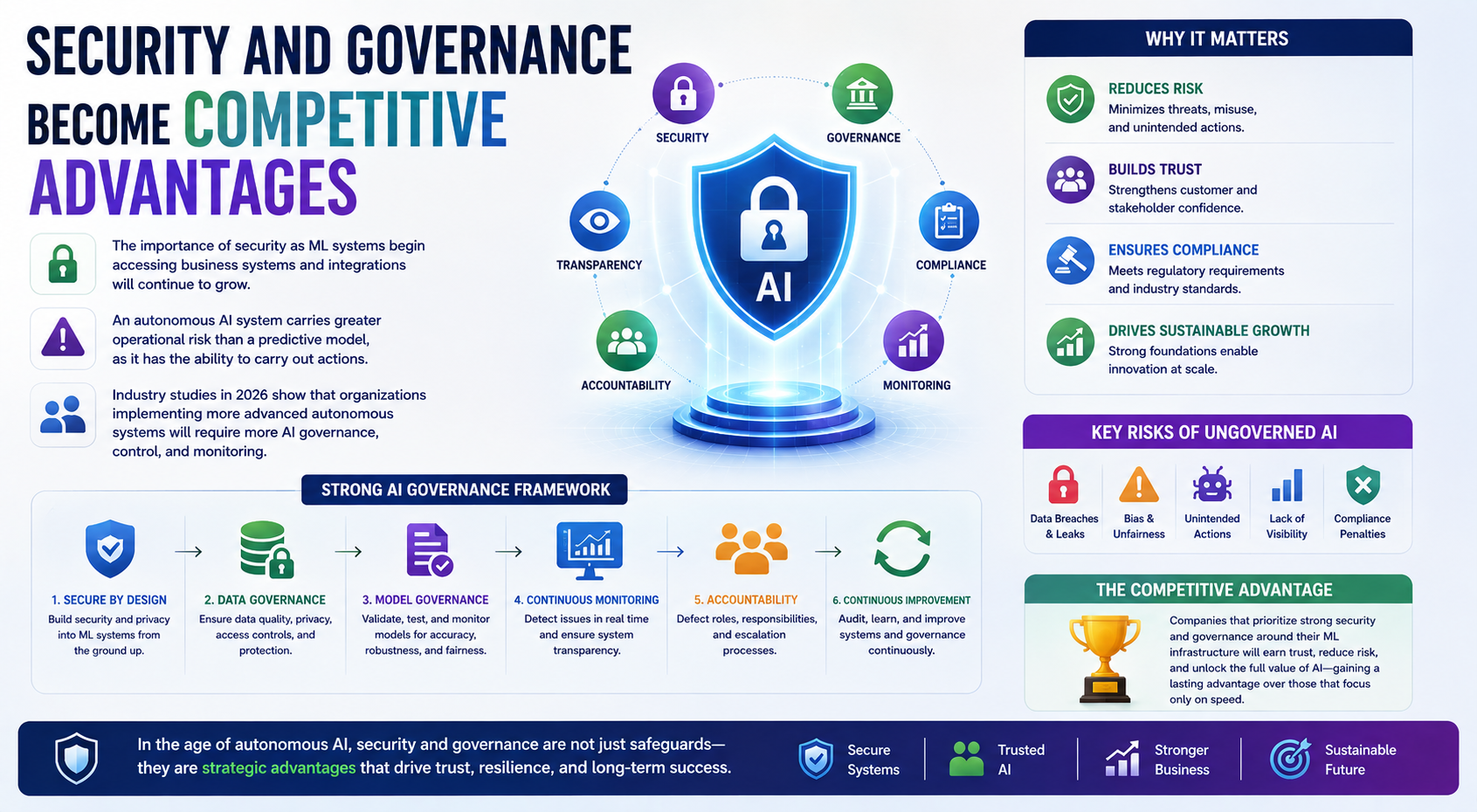
The importance of security as ML systems begin accessing business systems and integrations will continue to grow.
An autonomous AI system carries greater operational risk than a predictive model, as it has the ability to carry out actions. Industry studies in 2026 show that organizations implementing more advanced autonomous systems will require more AI governance, control, and monitoring.
Likely, companies prioritizing strong security and governance focused around their ML infrastructure will have an advantage over organizations prioritizing speed of deployment.
Also Read- Powerful Graphic Design Software: Create Stunning Designs
Key Machine Learning Trends in 2026
| Trend | Primary Impact | Potential Benefit |
|---|---|---|
| Agentic AI | Autonomous workflows | Higher productivity |
| Multimodal ML | Better data understanding | More natural AI interactions |
| Small Models | Efficient AI deployment | Lower computing costs |
| Edge AI | Local processing | Faster responses and privacy |
| Multi-Agent Systems | Complex automation | Better task specialization |
| Responsible AI | Governance and trust | Safer deployment |
| Real-Time ML | Instant analysis | Faster decisions |
| Physical AI | Intelligent machines | Real-world automation |
| AI-Assisted Development | Faster engineering | Reduced development time |
| AI Security | Risk management | More reliable systems |
Conclusion
Leading machine learning trends for 2026 include greater automation, enhanced intelligence, and faster deployments. These are evident in the emergence of Agentic AI, the evolution of ML to encompass different types of information, as well as advanced Edge AI. Overall, the trends suggest a machine learning ecosystem that is not just intelligent, predictive, and efficient, but also deployable in the real world.
As machine learning continues advancing, its greatest impact may come from becoming less obvious. Rather than showing up as a distinct technology, ML will be built into the applications and devices we interact with every day as part of the workflows and machines we use. This means 2026 is an important year for any business or technology leader who wants to incorporate smarter and more autonomous systems within their business.
FAQs
-
What is the most important machine learning trend in 2026?
The ability for AI to autonomously plan, reason, and use tools is one important trend because it allows AI to carry out longer, more complex workflows.
-
Why is edge AI important?
Some AI systems need to perform computations on the data close to where the data is generated to ensure privacy as well as shorter time periods and less reliance on cloud computing.
-
Will large machine learning models become less common?
Small models will probably become more common alongside large models in order to perform specific tasks that are more cost effective and more efficient for a given device.
-
Why is responsible AI necessary?
Greater autonomy in ML systems means greater consequences of negligent mistakes, and so greater responsibility is necessary for addressing privacy and security as well as bias and transparency.
-
What should businesses focus on in 2026?
Businesses should focus on practical applications, data quality and how to enable the secure and efficient use of machine learning models and automation.