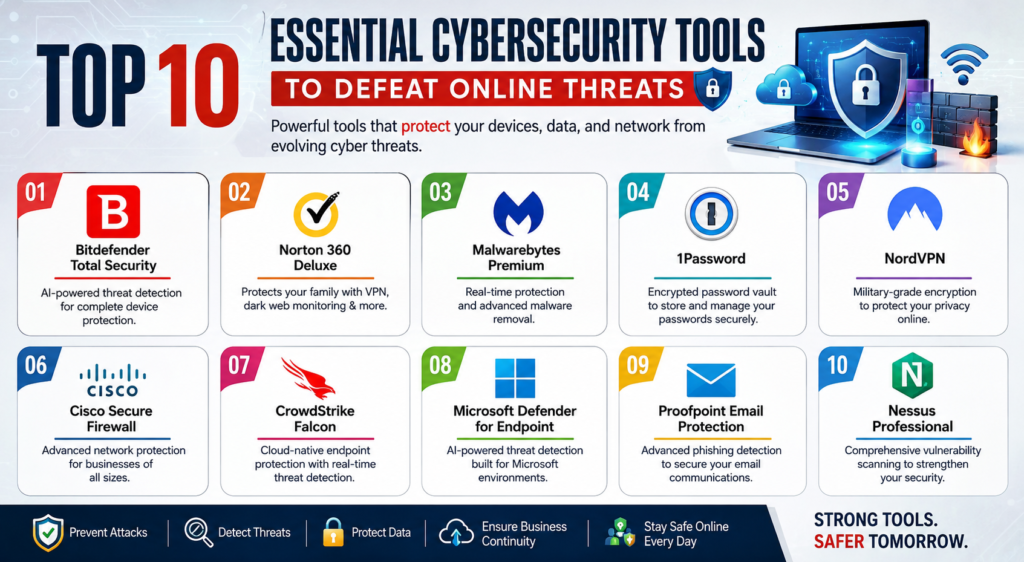
Top 10 Essential Cybersecurity Tools to Defeat Online Threats
+
Table of Contents
- 1 Top 10 Cybersecurity Tools to Combat Online Threats – Fast Overview
- 2 Top 10 Cybersecurity Tools
- 2.1 1. Bitdefender Total Security
- 2.2 2. Norton 360 Deluxe
- 2.3 3. Malwarebytes Premium
- 2.4 4. 1Password
- 2.4.1 Characteristics
- 2.4.2 Benefits
- 2.5 5. NordVPN
- 2.5.1 Characteristics
- 2.5.2 Benefits
- 2.6 6. Cisco Secure Firewall
- 2.6.1 Characteristics
- 2.6.2 Benefits
- 2.7 7. CrowdStrike Plus Falcon
- 2.8 8. Microsoft Defender for Endpoint
- 2.9 9. Proofpoint Email Protection
- 2.10 10. Nessus Professional
- 2.10.1 Nessus Features
- 2.10.2 Nessus Benefits
- 2.11 Essential Cybersecurity Tools
- 2.12 Choosing the Right Cybersecurity Tool
- 3 Conclusion
- 3.1 Frequently Asked Questions (FAQs)
- 3.1.1 1. Which tools for cybersecurity are the most important?
- 3.1.2 2. Is it enough to use only antivirus software to defend against cyber threats?
- 3.1.3 3. Which cybersecurity solution best serves the needs of a small business?
- 3.1.4 4. Why use a password manager?
- 3.1.5 5. How often are vulnerability scans to be performed?
- 3.1.6 6. Do everyday internet users need VPNs?
Cybercrime is one of the largest threats to people and businesses around the globe. Ransomware, phishing, data, and identity theft are just some examples of the evolving threats that are targeting us. Though security systems are evolving, the cybersecurity systems that are available are significantly behind. One of the most beneficial ways to defend your personal and professional data, your devices, and networks is to invest in the Top 10 Online Threats Cybersecurity Tools.
Databases of security systems are evolving to include management systems, endpoint security, firewalls, and email security integrated with multiple security systems, among many other tools. These systems combined will protect you from the majority of online threats. Whether an individual, a small or medium business, or a large corporation, the right tools will mitigate your exposure to online threats.
This guide explores the Top 10 Online Threats Cybersecurity Tools. You’ll find their features, their benefits, and the best situations to use them in so that you can design a stronger digital security network.
Top 10 Cybersecurity Tools to Combat Online Threats – Fast Overview
| Tool | Best For | Key Feature | Platform |
|---|---|---|---|
| Bitdefender Total Security | Complete Device Protection | AI Threat Detection | Windows, macOS, Android, iOS |
| Norton 360 Deluxe | Family Security | VPN + Dark Web Monitoring | Multi-platform |
| Malwarebytes Premium | Malware Removal | Real-Time Protection | Windows, macOS |
| 1Password | Password Management | Encrypted Password Vault | All Platforms |
| NordVPN | Online Privacy | Military-Grade Encryption | Windows, macOS, Android, iOS |
| Cisco Secure Firewall | Business Networks | Advanced Network Protection | Enterprise |
| CrowdStrike Falcon | Enterprise Security | Cloud Endpoint Detection | Windows, Linux, macOS |
| Microsoft Defender for Endpoint | Microsoft Environments | AI-Powered Threat Detection | Windows |
| Proofpoint Email Protection | Email Security | Phishing Detection | Cloud |
| Nessus Professional | Vulnerability Assessment | Security Scanning | Windows, Linux, macOS |
Importance of Cybersecurity Tools
All devices connected to the internet can be targeted by cybercriminals. Using weak passwords and outdated apps or clicking on a malicious email attachment can result in data theft and significant financial loss. The Top 10 Essential Cybersecurity Tools to Defeat Online Threats can help limit these potential losses through intelligent threat detection and proactive monitoring.
Some of the most significant cybersecurity threats come from:
- Phishing attacks
- Ransomware
- Malware
- Identity theft
- Data breaches
- Spyware
- Credential theft
- Zero-day exploits
Monitoring and proactively blocking suspicious activity on devices and networks before it becomes a larger cybersecurity issue are features of modern-day cybersecurity tools.
Top 10 Cybersecurity Tools
1. Bitdefender Total Security
Due to its low system impact and high malware detection rate, Bitdefender is routinely recognized as one of the best cybersecurity solutions in the industry.
Features
- AI-based threat detection
- Layered ransomware defense
- Anti-phishing
- Webcam/mic protection
- VPN included
- Malware scans while you work
- Supports all your devices
Benefits
- Fast threat detection
- Protection without lag
- Simple dashboard
- Family and business friendly
- Privacy safe
Bitdefender is a top-tier option for anyone needing modern, comprehensive, all-in-one cyber defense.
2. Norton 360 Deluxe
Norton has a prestigious history as a complete digital defense provider. Their antivirus solution protects you, plus a few privacy-related perks that enhance protection.
Features
- Malware scans and protects in real-time
- VPN
- Password manager
- Dark web scans
- Cloud backup
- Smart firewall
- Identity protection
Benefits
- Total security
- Best-in-class ransomware protection
- Multi-device
- Set up and forget
- Best-in-class privacy
Norton has terrific value for families with many devices, protecting against the most common modern threats.
3. Malwarebytes Premium
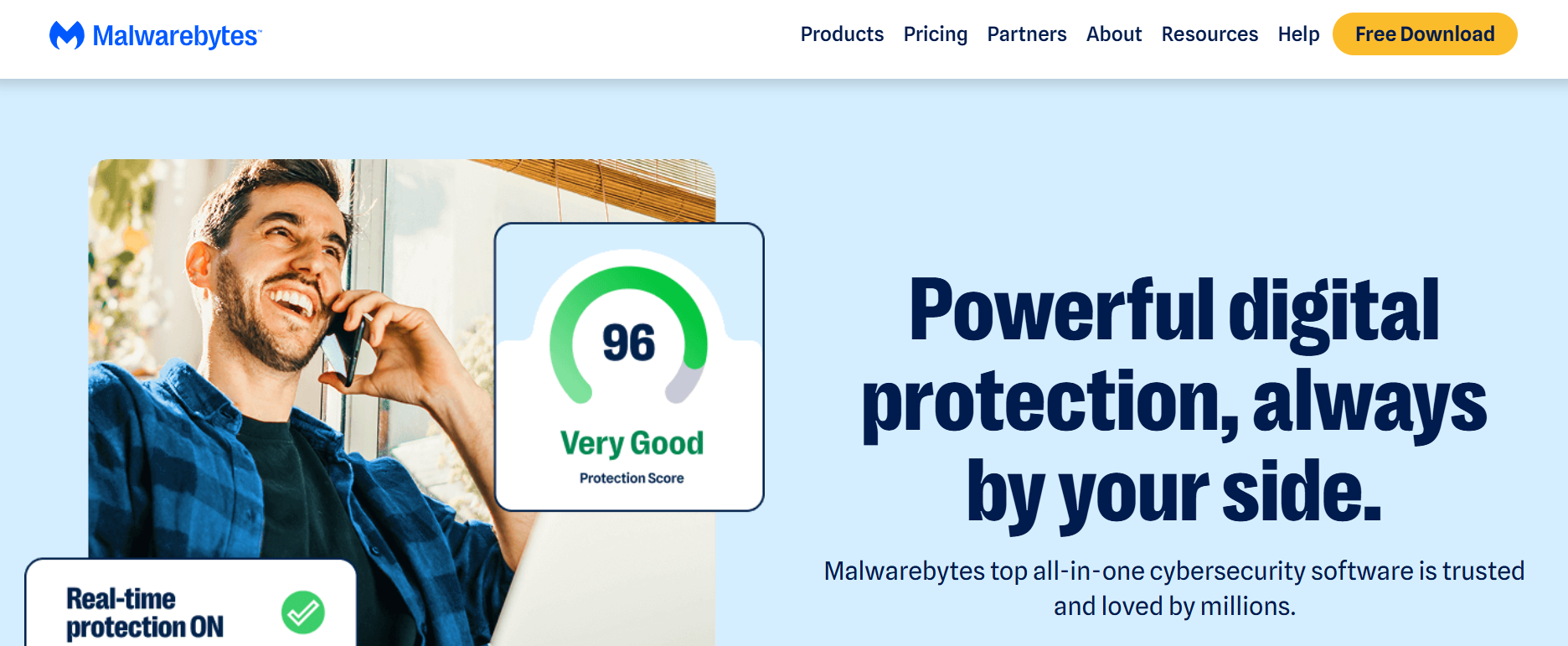
Malwarebytes focuses on threats that traditional antivirus programs may neglect. Malwarebytes is one of the best for removing hard-to-clear malware.
Features
- Real-time protection
- Exploit protection
- Ransomware defense
- Web protection
- Scheduled scans
- Performance friendly
Benefits
- Premiere malware removal
- Fast scans
- Minimal resource usage
- Simple installs
- Great secondary security
Malwarebytes is best used with a primary antivirus for protection against cyber threats.
4. 1Password
Data breaches are often a result of poor passwords. 1Password helps users password-protect their accounts with strong and unique passwords.
Characteristics
- Password vault with end-to-end encryption
- Integrated password generator
- Encrypted document & note storage
- Supports two-factor authentication
- Syncs across devices
- Password sharing for families and teams
Benefits
- Eliminates password redundancy
- Eases account access & organization
- Safeguards sensitive information
- Supports all devices
- Enhances digital security
Using a password manager like 1Password is one of the best ways to increase your digital security without adding friction to your daily routine.
5. NordVPN
What is a VPN? A VPN encrypts your internet connection, making it nearly impossible for would-be hackers, advertisers, or your internet service provider to spy on your web activity.
Characteristics
- Uses AES-256 encryption
- Thousands of servers worldwide
- Threat Protection against malware
- Kill Switch
- Double VPN
- No-log policy
Benefits
- Secures public Wi-Fi
- Keeps browsing private
- Encrypted data
- Less tracking
- Access while traveling is secure
NordVPN is perfect for remote workers, travelers, and those who value privacy.
Also Read- 10 Game-Changing Accounting Software Solutions for 2026
6. Cisco Secure Firewall
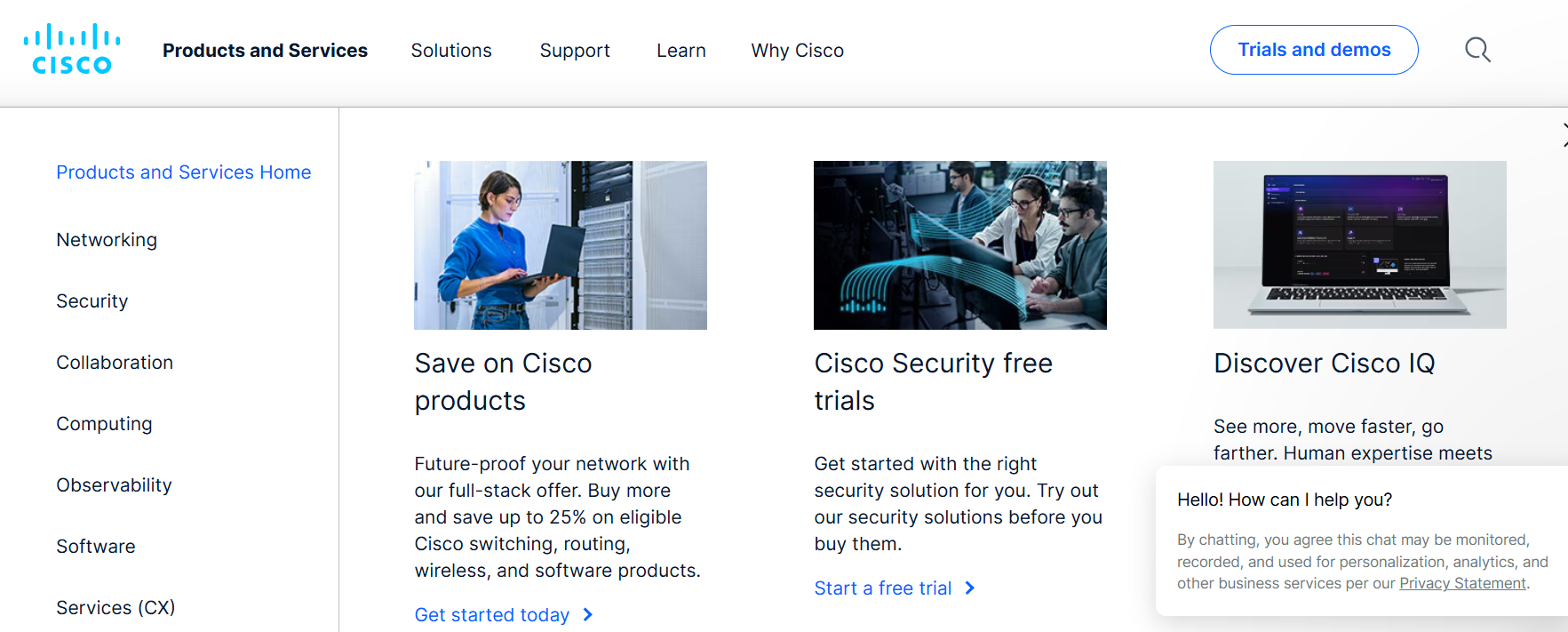
Enterprise-grade protection against evolving threats is necessary for businesses. Antivirus software is not enough. Cisco Secure Firewall is a great solution.
Characteristics
- Advanced Firewall Management
- Intrusion Prevention
- Deep Packet Inspection
- Application Visibility
- Secure VPN
- Threat Intelligence
Benefits
- Protects Business Networks
- Prevents Unauthorized Access
- Visibility of Network Systems
- Scales with Growing Organizations
- Supports Regulatory Compliance
For organizations that manage sensitive information, risk is greatly reduced by choosing Cisco Secure Firewall.
7. CrowdStrike Plus Falcon
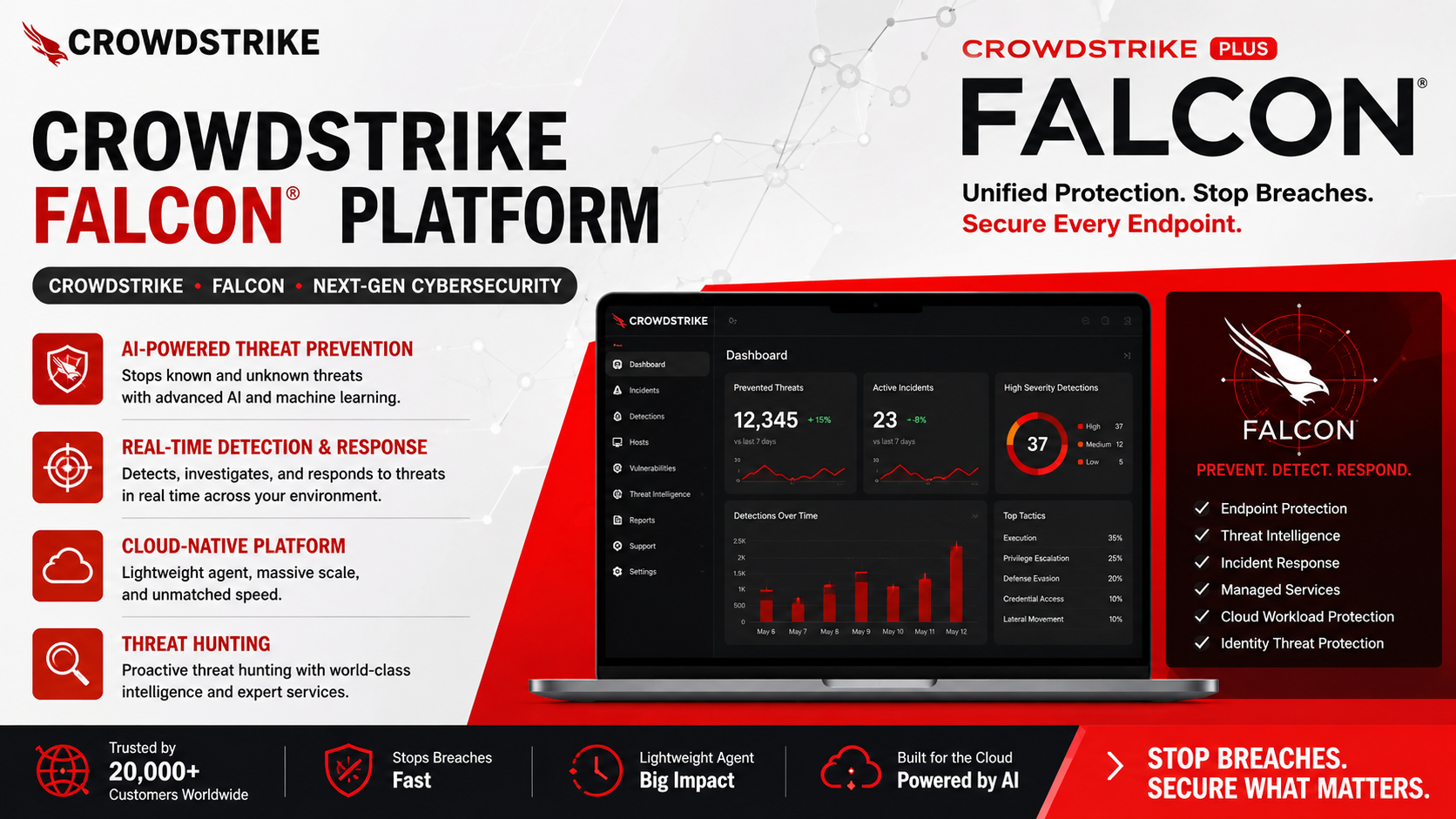
Falcon by CrowdStrike is a trusted endpoint protection solution for organizations around the world.
Features
- AI-Powered Endpoint Detection
- Behavioral Threat Analysis
- Cloud-Based Management
- Real-Time Monitoring
- Threat Hunting
- Incident Response Tools
Benefits
- Detects Sophisticated Attacks
- Faster Response to Security Incidents
- Lightweight Installation
- Excellent Scalability
- Centralized Management
- Challenging Attack Detection
CrowdStrike Falcon provides especially cutting-edge options for defense against ransomware and zero-day attacks.
8. Microsoft Defender for Endpoint
Microsoft Defender for Endpoint is built for protecting organizations residing mostly in the Windows and Microsoft 365 environments.
Features
- Endpoint Detection and Response
- Automated Investigation
- Vulnerability Management
- Threat Analytics
- Cloud Security Integration
- AI-Driven Protection
Benefits
- Native Microsoft Integration
- Easy Deployment
- Advanced Threat Intelligence
- Centralized Admin
- Continuous Monitoring
Defender for Endpoint aids in seamless security management for businesses already integrated into Microsoft’s ecosystem.
9. Proofpoint Email Protection
Phishing emails, malicious file attachments, and BEC scams have all become leading entry routes for attackers and can cause financial and data loss to organizations. Proofpoint Email Protection aims to stop such threats before they reach users’ mailboxes.
Features
- AI-Powered Phishing Protection
- Advanced Spam Filtering
- Malicious Attachment Scanning
- URL Protection
- BEC Prevention
- Email Encryption and Compliance Support
Benefits
- Blocks Phishing Attacks
- Risk of Ransomware Attacks Reduced
- Protects Sensitive Business Emails
- Improves Email Security Compliance
- Helps Maintain Trust with Customers
Proofpoint offers an extra defense layer for organizations with a high volume of business email communications.
10. Nessus Professional
Nessus is a phenomenal tool utilized by security professionals to identify and remediate vulnerabilities among networks, servers, and applications. Nessus is an advanced vulnerability scanner that locates security weaknesses in your IT infrastructure and helps your organization adopt a proactive approach in safeguarding your business from threats.
Nessus Features
- Vulnerability scans
- Configuration audits
- Compliance checks
- Malware scans
- Security scans of network devices
- Reports on security
Nessus Benefits
- Finds weaknesses before exploitation
- Eases the hassle of security audits
- Helps with compliance
- Focuses on elevated risk issues
- Strengthens IT infrastructure
Essential Cybersecurity Tools
Online threats cause frequent damage to an organization. To defend against online threats, it is recommended an organization implement the 10 best defense tools for cybersecurity. Along with the tools, the organization should also educate employees on the best practices for using the internet to keep the organization safe. Some of the good practices that keep the organization safe are as follows:
- Keep updated software
- Enable multi-factor authentication
- Strong and unique passwords
- Avoid suspicious emails and attachments
- Regular backups to the cloud
- Watch for unauthorized users
- Employee training on phishing
- Use secure encrypted connections
The tools and practices recommended greatly minimize the organization’s risk from online threats.
Choosing the Right Cybersecurity Tool
When selecting a tool, your need will determine your choice. Below are some of the factors that you should consider:
For Personal Use: All-in-one security tools that have antivirus, VPN, and password security.
For Small Business Use: Endpoint security and email security, along with a firewall.
For Large Business Use: Advanced threats, vulnerability security, and centralized monitoring.
For Remote Workers: VPN security, password security, and multi-factor authentication.
To defend your business, the best tactic is to have layered security using multiple options against threats.
Conclusion
The continual evolution of cyber threats is evident, which makes digital security vital now more than ever. The Top 10 Essential Cybersecurity Tools to Defeat Online Threats provides the best protection against malware, ransomware, phishing attacks, and other threats, while ensuring the security of your information, your business, and your online identity.
These tools can establish a solid defense against cybercriminals of today, whether you are an individual securing devices at home or an entity safeguarding the private information of your clients. Cybersecurity is an ever-evolving challenge. Regular updates of software, strong passwords, the use of MFA, and security audits can provide the same level of defense as the tools.
The implementation of the Top 10 Essential Cybersecurity Tools to Defeat Online Threats provides you and your clients with a more secure and protected digital environment with significantly less risk of cyberattacks.
Frequently Asked Questions (FAQs)
1. Which tools for cybersecurity are the most important?
The most important tools for cybersecurity include antivirus software, password managers, VPNs, firewalls, endpoint protection platforms, email security tools, and vulnerability scanners.
2. Is it enough to use only antivirus software to defend against cyber threats?
No. Antivirus software is a critical component, but it is just one layer of protection. In order to fully secure oneself, firewalls, VPNs, and password managers, as well as email protection and multi-factor authentication, should also be utilized.
3. Which cybersecurity solution best serves the needs of a small business?
To best secure devices, email communications, and networks, small businesses typically rely on a combination of Bitdefender Total Security, Microsoft Defender for Endpoint, Cisco Secure Firewall, and Proofpoint Email Protection.
4. Why use a password manager?
Using a password manager significantly reduces the risk of credential theft and password reuse, because a password manager creates and saves a strong, unique password for every account.
5. How often are vulnerability scans to be performed?
Vulnerability scans are typically performed monthly and after major updates to a system to identify and remediate security vulnerabilities before they can be exploited by attackers.
6. Do everyday internet users need VPNs?
Yes, because VPNs provide encryption for data sent across the internet, especially when utilizing public networks, and improve the overall protection and privacy of the user when accessing the internet.