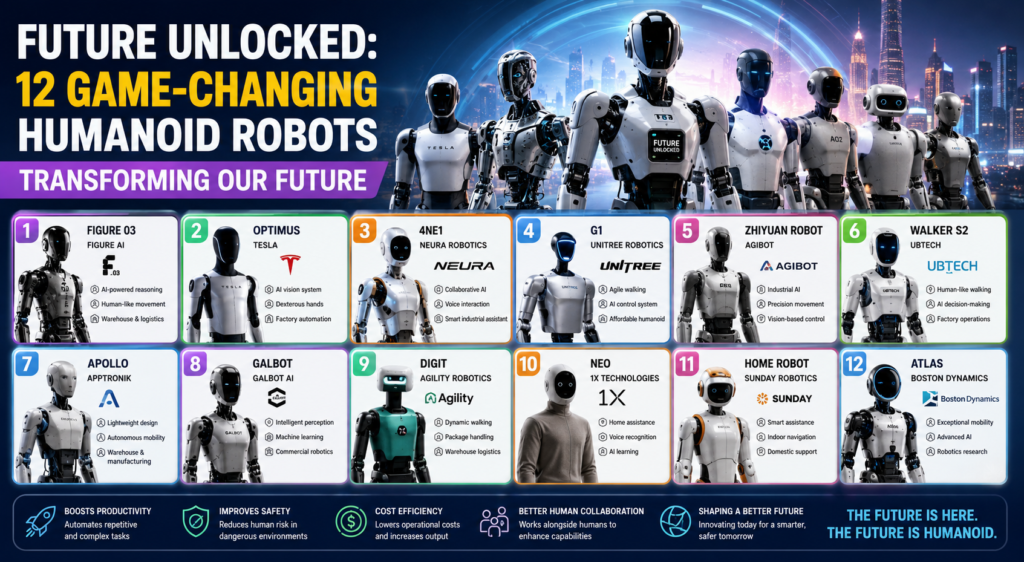
Future Unlocked: 12 Game-Changing Humanoid Robots Transforming Our Future
+
Table of Contents
- 1 What Are Humanoid Robots?
- 2 Top 12 Game-Changing Humanoid Robots
- 2.1 1. Figure AI (Figure 03)
- 2.2 2. Tesla (Optimus)
- 2.3 3. Neura Robotics (4NE1)
- 2.4 4. Unitree Robotics (G1)
- 2.5 5. AgiBot (Zhiyuan Robot)
- 2.6 6. UBTECH Robotics (Walker S2)
- 2.6.1 Special Features of Walker S2
- 2.6.2 Benefits
- 2.7 7. Apptronik (Apollo)
- 2.8 8. Galbot
- 2.9 9. Agility Robotics (Digit)
- 2.10 10. 1X Technologies (NEO)
- 2.11 11. SUNDAY ROBOTICS
- 2.12 12. BOSTON DYNAMICS (ATLAS)
- 2.13 Key Features of Modern Humanoid Robots
- 2.14 Humanoid Robot Advantages
- 2.14.1 Increased Productivity
- 2.14.2 Improved Workplace Safety
- 2.14.3 Cost Savings
- 2.14.4 Better Customer Service
- 2.14.5 Healthcare Support
- 2.14.6 Teaching and Research
- 2.15 Sectors Robotic Technology is Disrupting
- 2.16 Problems with Humanoid Robotics
- 3 Conclusion
Humanoid robots were once a fantasy, but they are about to break into everyday reality. Advances in AI, robotics, and machine learning have progressed to a level where modern humanoid robots can walk, talk, and recognize objects, as well as perform tasks that used to be done exclusively by humans. These robots are making headway into various industries, including healthcare, logistics, education, and manufacturing. They are even being introduced into homes.
This article includes 12 revolutionary humanoid robots that have started, and in many cases, completed the automation of many industries worldwide. From factory robots to customer service robots to healthcare and research robots, these humanoid robots are cementing their place in the future of technology.
What Are Humanoid Robots?
Humanoid robots resemble and/or replicate the appearance and functions of humans. They have a head, a torso, arms, and legs. They are built this way in order for them to be able to assist humans by operating in environments that are designed for humans.
Modern humanoid robots are a fusion of many technologies, including AI, Computer Vision, Natural Language Processing, Motion Planning, Autonomous Navigation, and Machine Learning.
These technologies allow humanoid robots to complete more and more complex tasks with little to no assistance from a human.
Top 12 Game-Changing Humanoid Robots
| Robot | Company | Country | Primary Purpose |
|---|---|---|---|
| Figure 03 | Figure AI | USA | Manufacturing & Logistics |
| Optimus | Tesla | USA | Factory Automation |
| 4NE1 | Neura Robotics | Germany | Smart Industrial Assistant |
| G1 | Unitree Robotics | China | Affordable Humanoid Robot |
| Zhiyuan Robot | AgiBot | China | Industrial Automation |
| Walker S2 | UBTECH | China | Factory Operations |
| Apollo | Apptronik | USA | Warehouse & Manufacturing |
| Galbot | Galbot AI | China | Commercial Robotics |
| Digit | Agility Robotics | USA | Warehouse Logistics |
| NEO | 1X Technologies | Norway | Home Assistance |
| Home Robot | Sunday Robotics | USA | Domestic Support |
| Atlas | Boston Dynamics | USA | Advanced Robotics Research |
1. Figure AI (Figure 03)
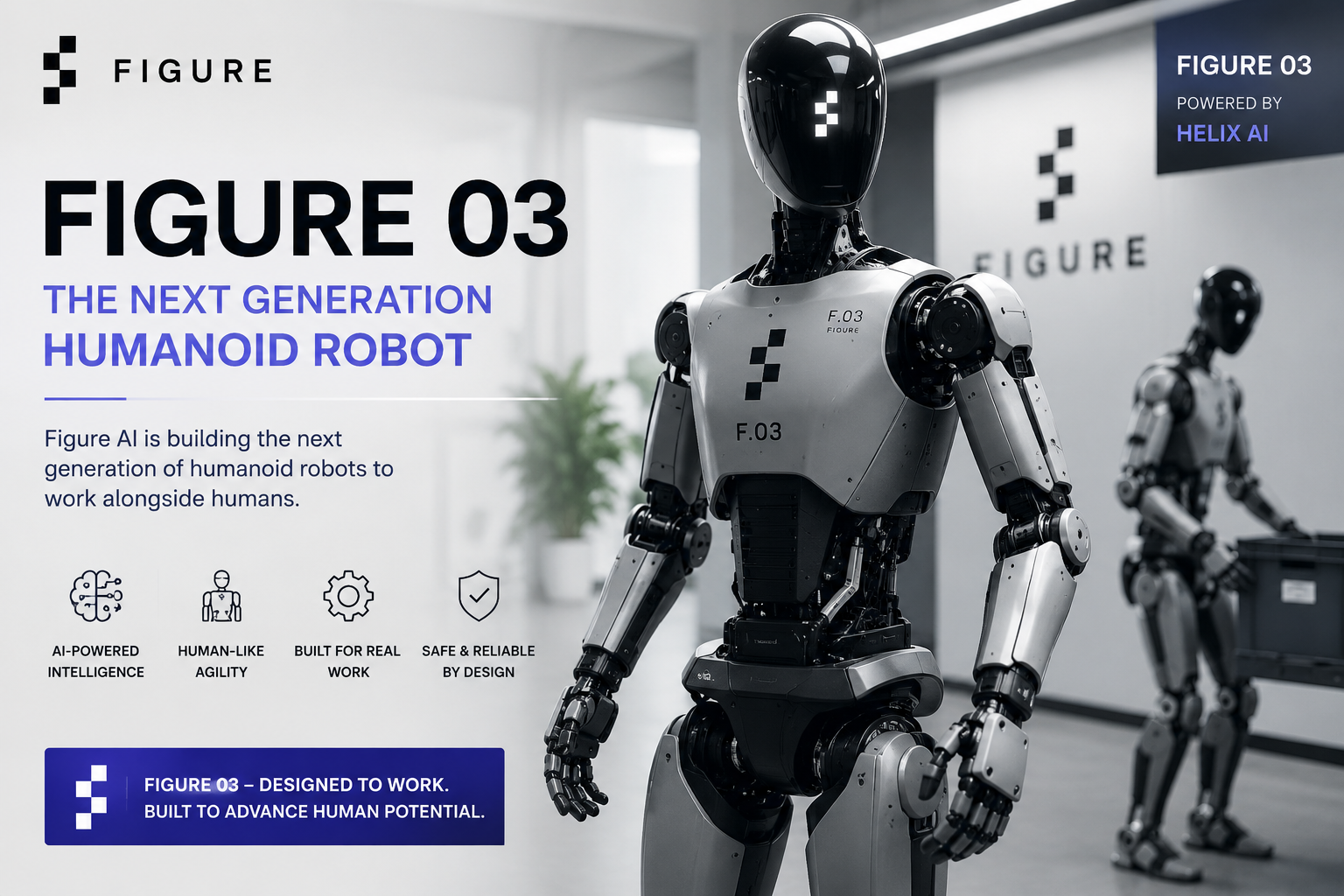
Figure AI is a startup based in California that has developed and begun serious testing of factory humanoid robots. The company has attracted the attention of leading investors and technology companies due to the rapid development of advanced Artificial Intelligence. Given the switch to automation in many sectors, Figure AI has positioned itself to address gaps in the labor market, especially in manufacturing and warehousing, in a way that enhances productivity and safety.
Figure 03, the company’s humanoid robot, is capable of performing a variety of tasks within an industrial setting that require significant repetitive manual work and only basic supervision. The company has designed Figure 03 to be integrated safely into workspaces that require human-robot collaboration.
Features
- AI-based reasoning
- Human-like motions
- Sophisticated computer vision
- Ability to make autonomous choices
- Dexterous robotic hands
Benefits
- Eliminates dull labor
- Heightens productivity
- Less labor-intensive
- Improves safety
- Requires little downtime
2. Tesla (Optimus)
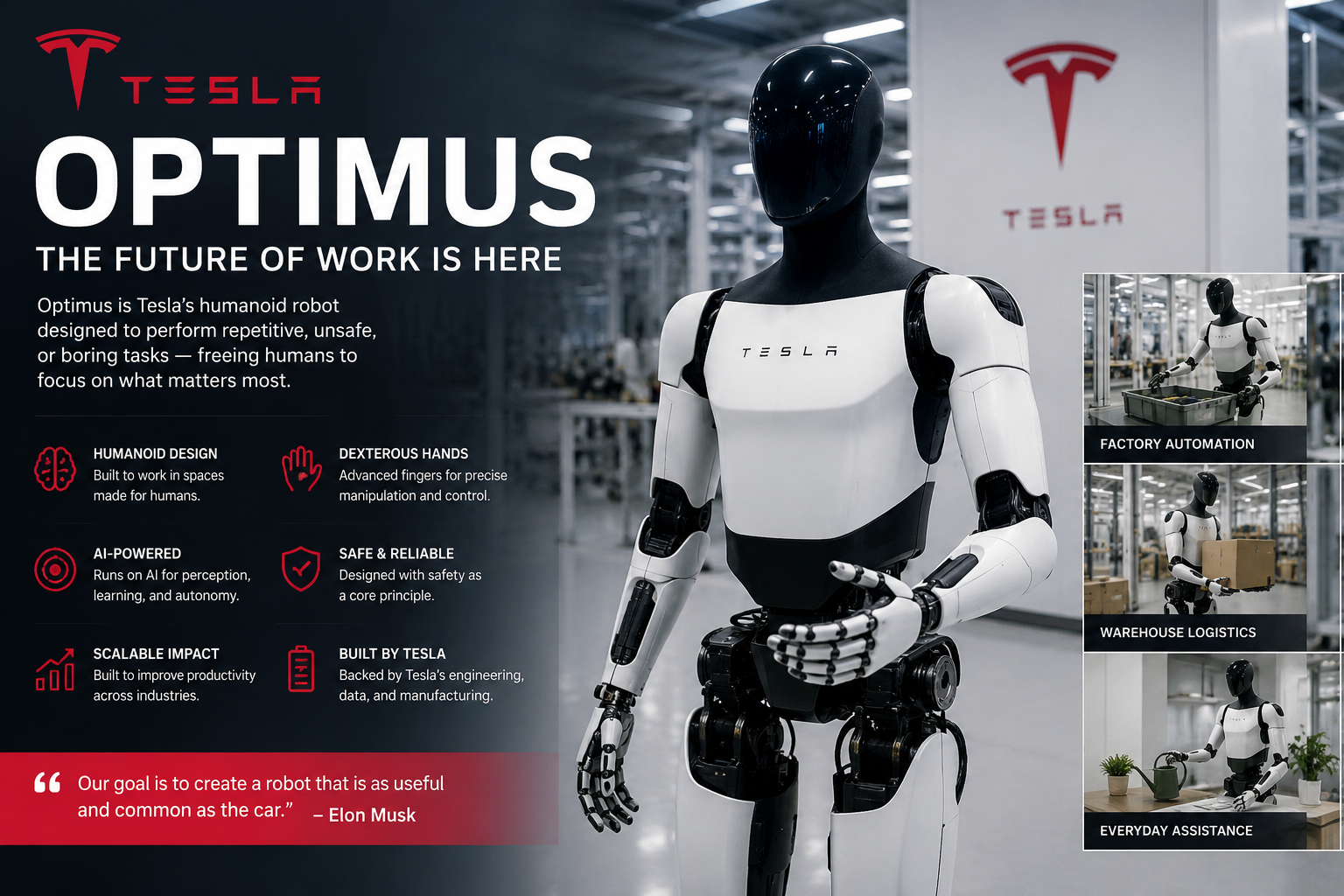
Tesla is one of the most well-known electric car companies, and they have expanded into the field of robotics. Elon Musk has introduced Optimus, a humanoid robot designed to use artificial intelligence to drive, assist in the factory, and complete menial and dangerous tasks in factories and eventually in homes.
Tesla will use their battery technology and computer vision to drive the development of Optimus. The plan is to use the technology in their own factories and then sell it, and Musk believes that it will be as ubiquitous in the workplace within a few decades as smartphones are now. This is designed to assist with menial tasks in the workplace.
Features
- AI-driven technology
- Human-like movement
- High-level vision
- Precision robotic hands
Benefits
- Improves factory flow
- Eliminates injuries
- Continuous operation
3. Neura Robotics (4NE1)
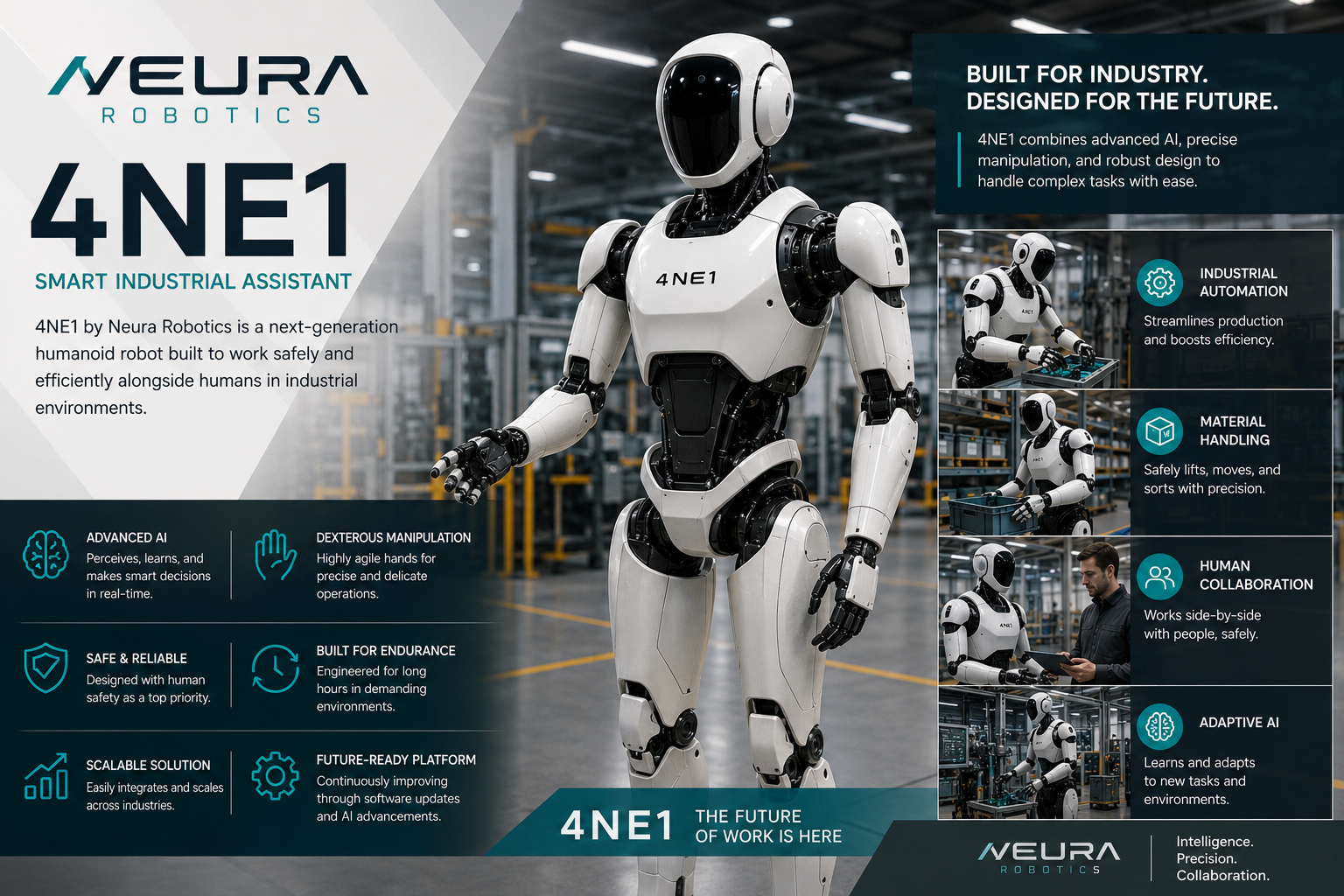
Neura Robotics is a German company that specializes in the development of cognitive robotics and intelligent automation. The goal of Neura Robotics is create robots that are able to think and learn in the same way as a human and have the ability to make autonomous choices.
4NE1, the humanoid robot from Neura, is a good example of the advances in artificial intelligence, advanced sensors, and collaborative robotics technology. Unlike traditional robots that must be encased within a safety perimeter, Neura’s robots are designed to collaborate with human workers. This makes them suitable for use in large spaces such as factories and for tasks in the fields of healthcare and services.
Features
- AI-supported collaboration
- Voice comms
- Sensor fusion
- Human-safe interaction
- Adaptive learning
Benefits
- Safer workplace automation
- Flexible deployment
- Increased productivity
- Better human-robot collaboration
4. Unitree Robotics (G1)
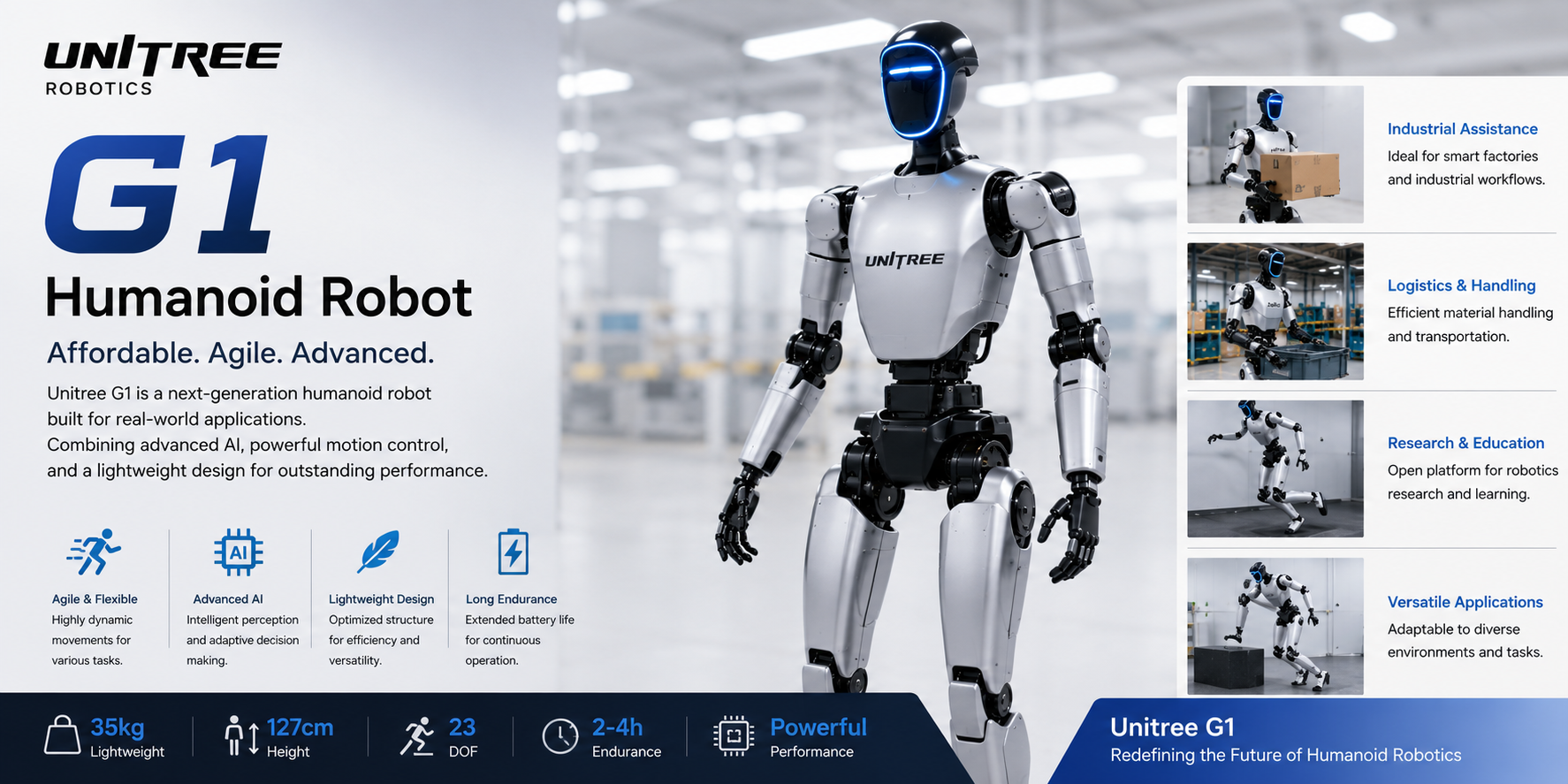
Unitree Robotics is a Chinese robotics company founded in 2016 and well-known for its low-cost quadrupedal robots. Recently, they ventured into the field of humanoid robotics with the G1. Unitree focuses on the belief that high-performance humanoid robotics should not be out of reach for businesses, learning centers, or research institutes.
Affordability is the focus, paired with performance. The G1 moves well and has AI-based control of its balance with modular hardware, allowing for several uses in research, learning, and commerce. Unitree continues to push the boundaries of performance and control in robotics.
Features
- Lightweight
- Agile walking
- AI-movement control
- High-performance actuators
- Modular structure
Benefits
- Low cost
- Easy customization
- Research-friendly
- Commercial versatility
Also Read: Robots Unleashed: Promise or Peril?
5. AgiBot (Zhiyuan Robot)
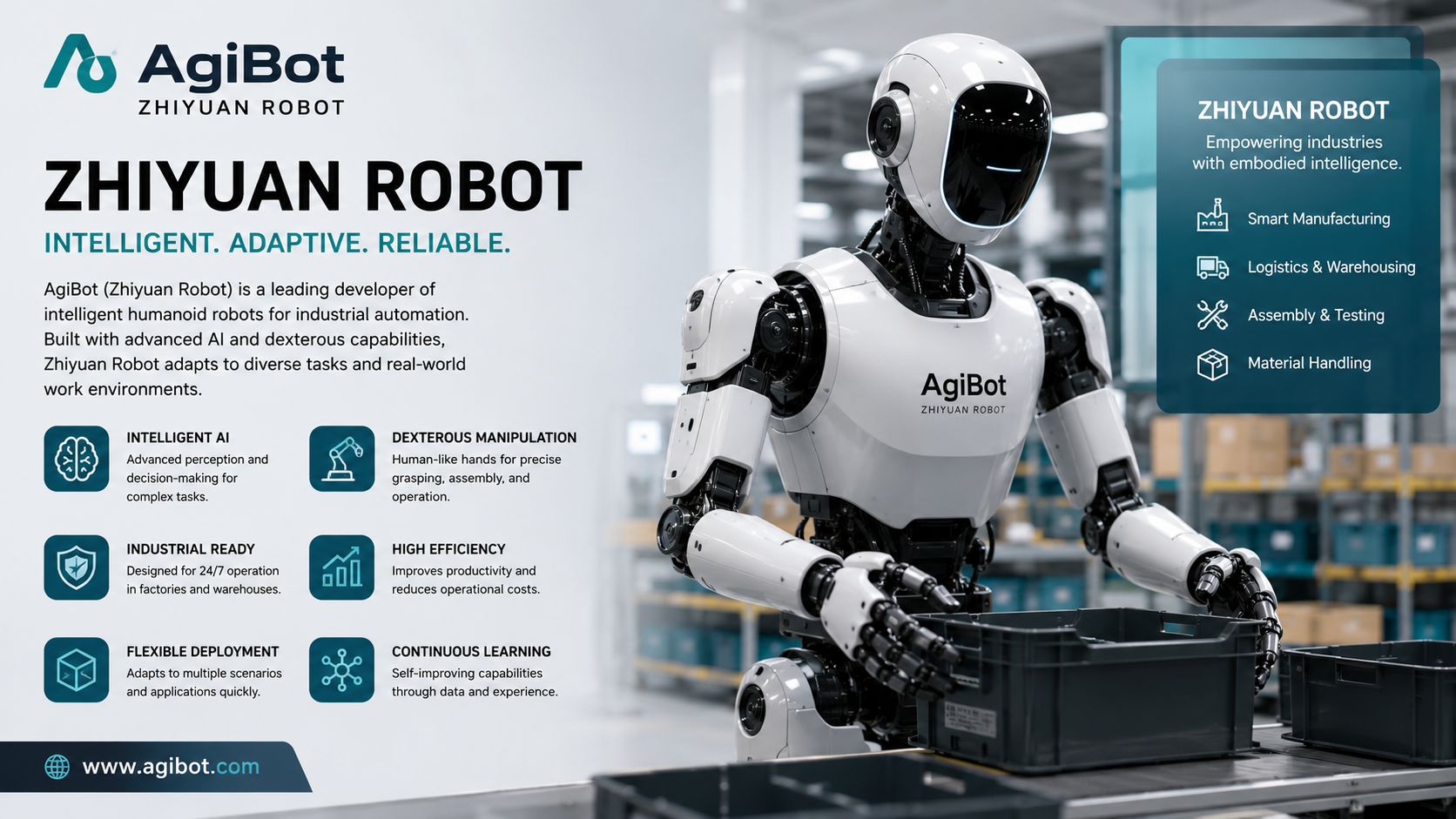
Zhiyuan Robots, or AgiBot, is one of China’s fastest-growing AI and robotics companies. Their focus is on manufacturing humanoid robots for industrial automation as well as logistics and warehouse robotics. AgiBot uses computer vision, machine learning, and manipulation robotics to aid in the automation of production.
The robots are designed to carry out repetitive industrial tasks and have the intelligence to adapt to new work environments. While most robotics rely on task-based programs, AgiBot is heavily funding the research of AI in robotics so that the robots may learn and develop based on experience.
Features
- AI decision-making
- Cloud robotics
- Human-like dexterity
- Human-like movements
- Autonomous decisions
Benefits
- Automation made easy
- Labor savings
- Efficient factory operations
- Smart warehouse solutions
- Enhanced productivity
6. UBTECH Robotics (Walker S2)
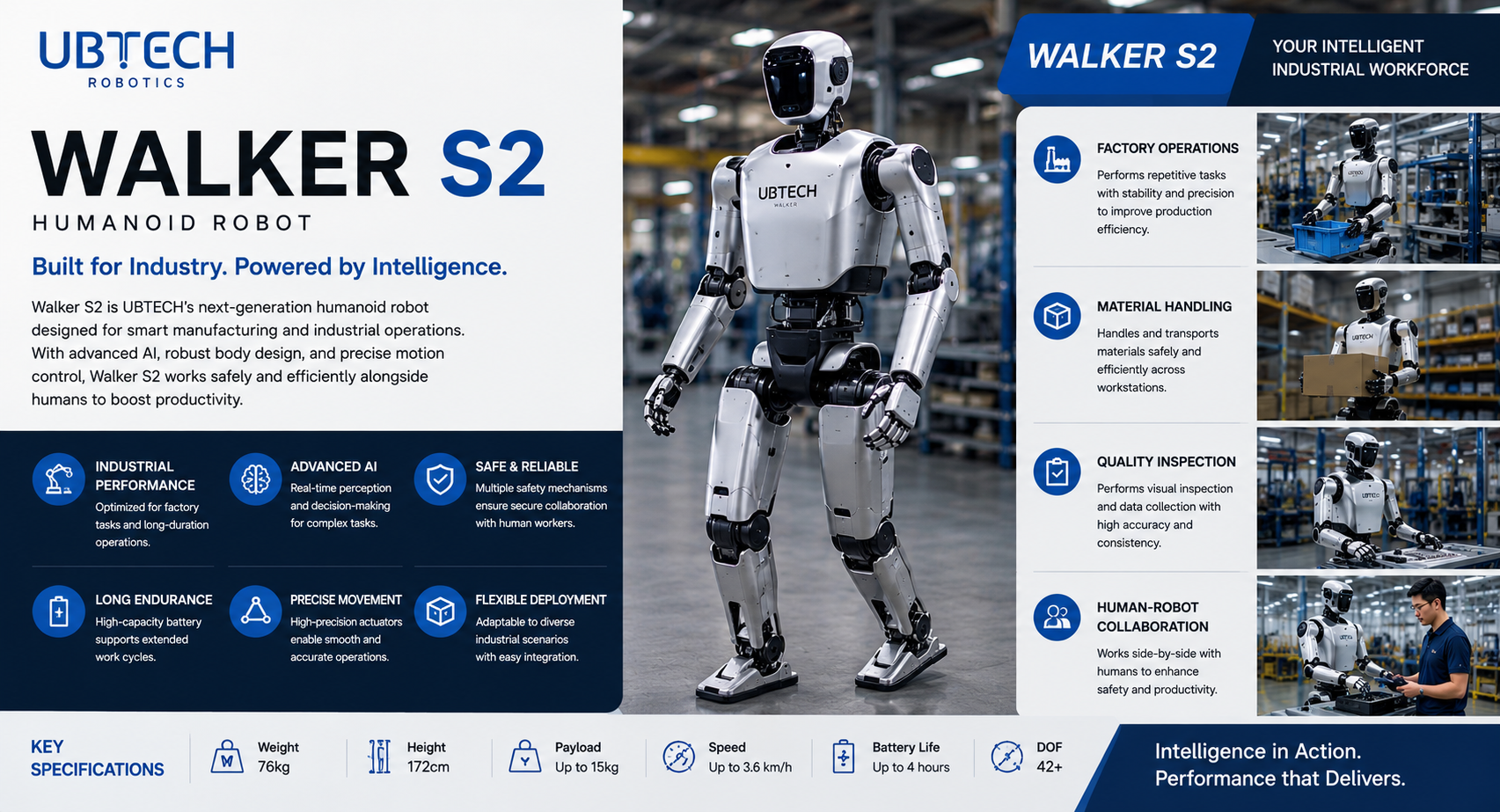
Established in 2012, UBTECH Robotics is one of the premier humanoid robotics enterprises in China. With the development of AI-integrated robotics for various strands, including education and healthcare, UBTECH Robotics has created Walker S2, its flagship humanoid robotics product, which has the abilities of autonomous walking, manipulation, and autonomous decision-making.
Walker S2 is one of the most advanced robotics products in the marketplace today due to the substantial resources that UBTECH Robotics has channeled into the fields of speech recognition, computer vision, and most importantly, cloud robotics. UBTECH is actively collaborating with various research institutions and automotive manufacturers to widen and augment the existing cross-section of applications and use in the real world.
Special Features of Walker S2
- autonomous walking (human-like movement)
- autonomous decision-making
- manipulation via flexible robotic hands
- cloud robotics
- voice integration
Benefits
- substantial automation of factories
- smart management of warehouses
- greater employee productivity
- lower expenses on employee labor
7. Apptronik (Apollo)
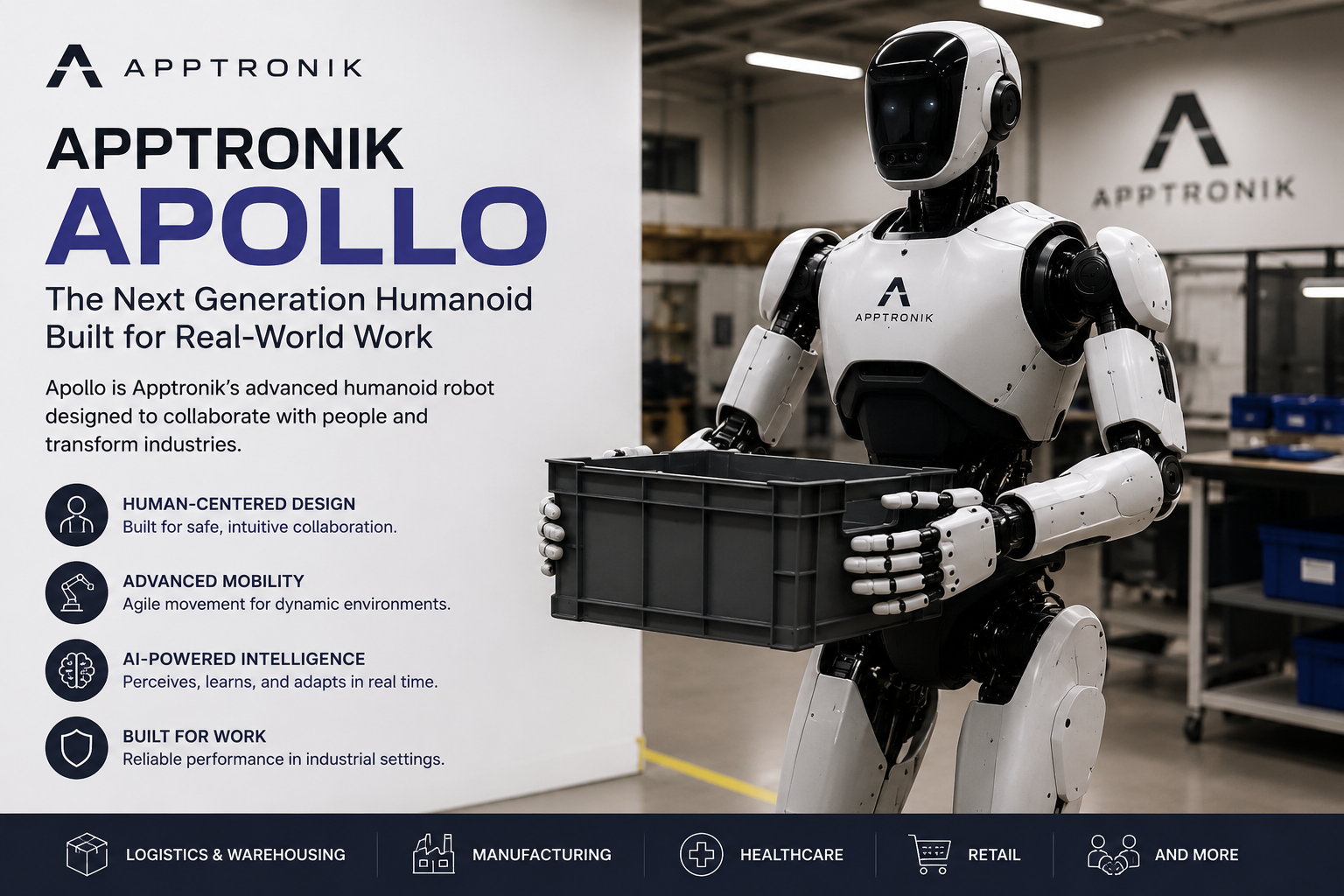
Apptronik, based in Texas, designs humanoid robots primarily for logistics and manufacturing automation in warehouses. Its flagship product, Apollo, has an intentionally light design to ensure safety while working around humans.
Apptronik is an offspring of a combination of robotics research at the University of Texas and NASA. Apollo combines AI and advanced sensors with dexterous mobility. This design to incorporates advanced sensors and AI to perform the monotonous and repetitive tasks of a warehouse while making the workplace safer and reducing the cost of operations.
Features
- Lightweight design
- AI-driven automation
- Safe interaction with humans
- Advanced perception
- Self-mobility
Benefits
- Speedy logistics
- Higher efficiency
- Safe workplaces
- Easily deployed
8. Galbot
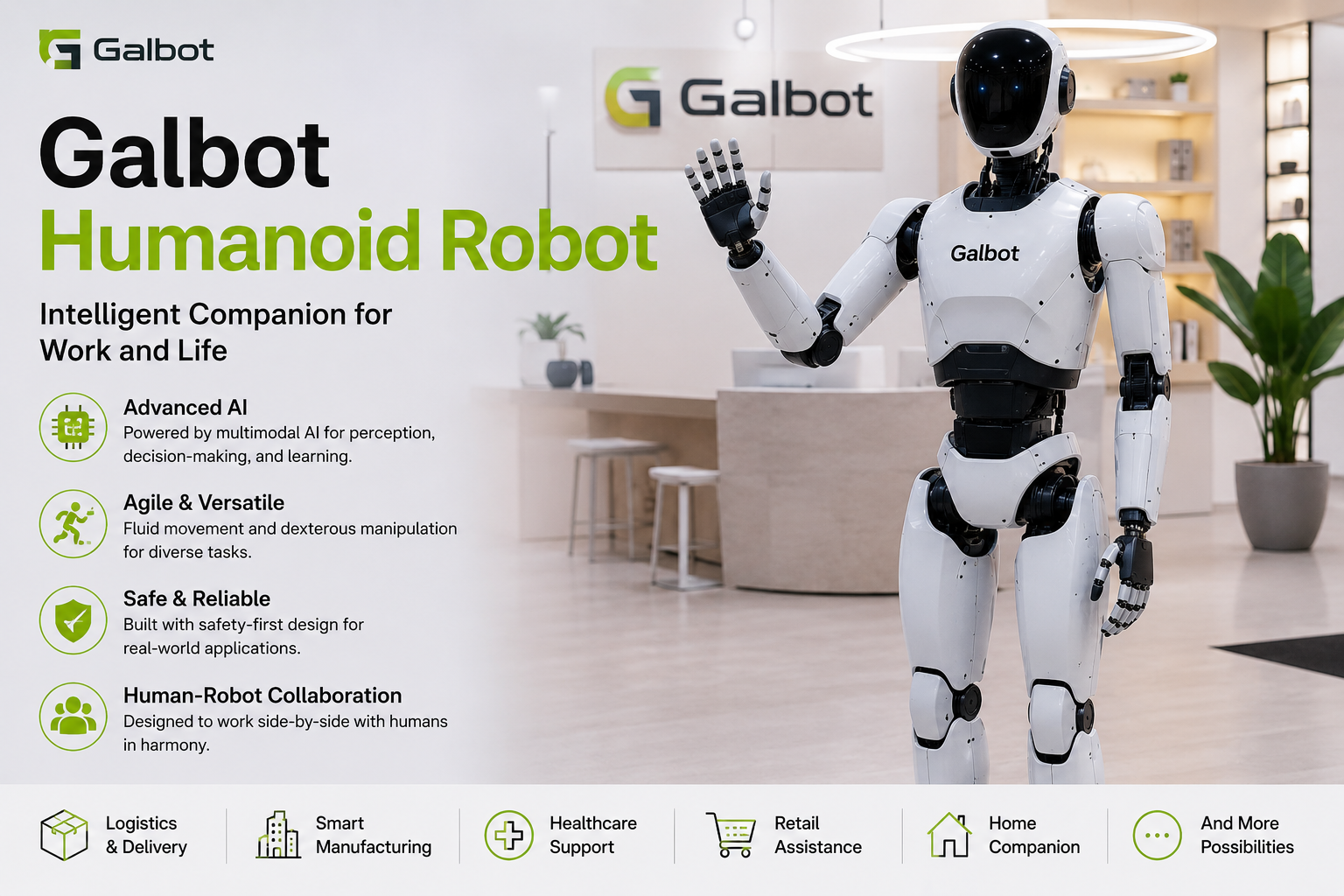
Galbot is a startup from China that creates AI-powered humanoid robots for industrial and commercial purposes. Galbot combines the latest machine learning technologies with sophisticated engineering to construct robots that can perform a variety of complex tasks.
Galbot builds highly adaptable humanoid robots that help businesses automate repetitive processes with little to no changes to their existing infrastructure.
Features
- Intelligent automation
- AI-learning
- Modular systems
- Real-time computation
- Smart perception
Benefits
- Business automation
- Lower costs
- Higher efficiency
- Easily deployed
9. Agility Robotics (Digit)
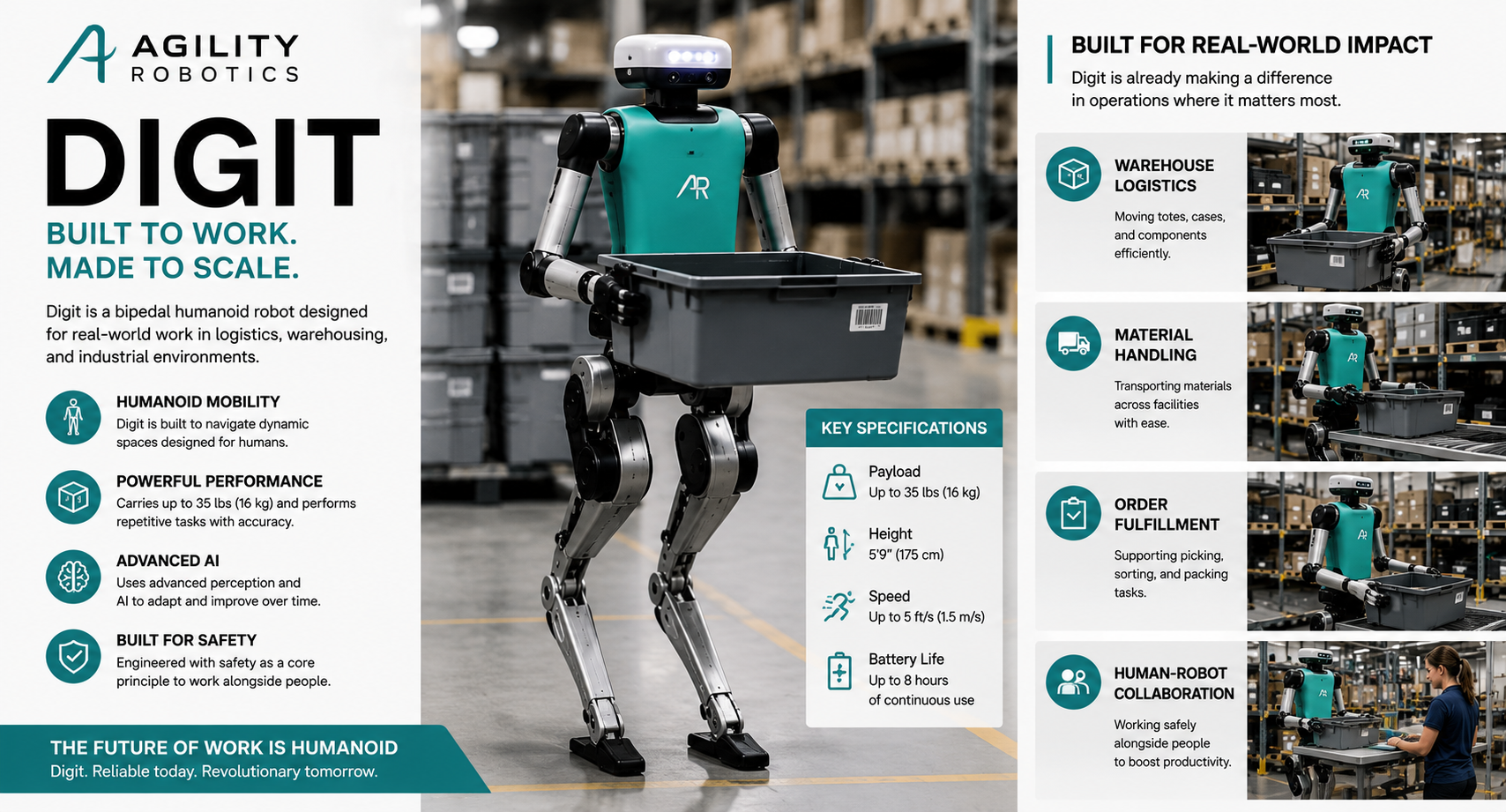
Located in Oregon, Agility Robotics is among the first to create commercial humanoid robots. Digit is the first of its kind to be an industrial humanoid robot that has been used by many large commercial logistics companies for the automation of warehouse tasks.
Digit was built with the capability of traversing large human-designed spaces, climbing stairs, carrying boxes, and being a warehouse worker. Agility Robotics’s main objective is to solve the problem of the workforce by automating tasks that require human effort.
Features
- Dynamic balance
- Package handling
- Self-navigation
- Human collaboration
- Advanced mobility
Benefits
- Faster logistics
- Less workforce needed
- Optimized warehouse tasks
- Safer workplaces
Also Read: Mori3 Robot: The Shape-Shifting Robot Redefining the Future of Robotics
10. 1X Technologies (NEO)
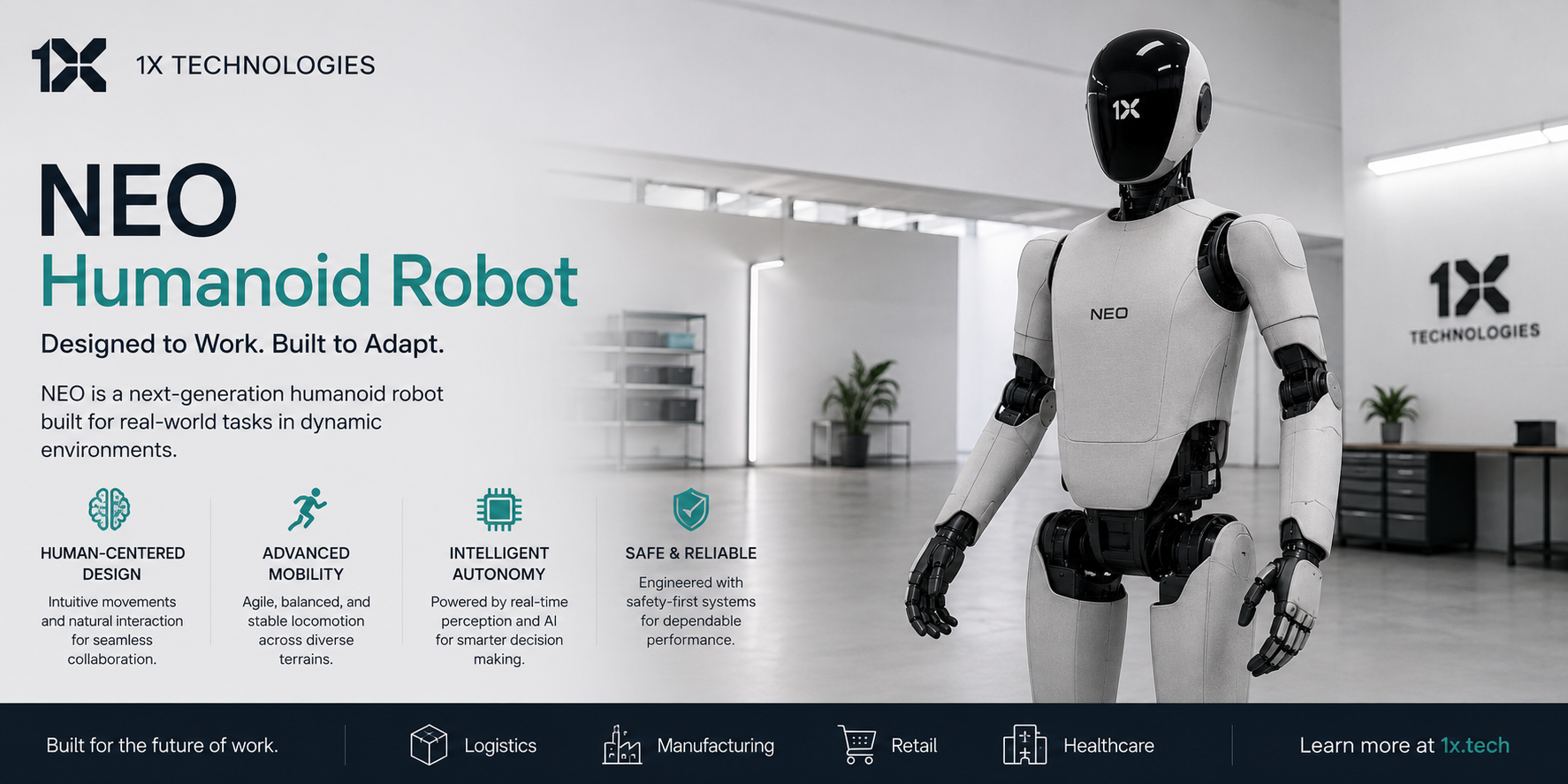
Located in Norway, 1X Technologies creates humanoid robots designed for the home and caregiving. Their most current robot, NEO, is designed to assist with home chores and caring for the elderly.
With an emphasis on safe interaction, learning, and communication, NEO can be used in home and caregiving environments.
Features
- Voice and AI Learning Technology
- Robotics with AI Learning Technology
- Ability to assist in the household
- Ability to interact with humans
- Ability to navigate
Benefits
- Facilitates the caring of the elderly
- Saves time used for household duties
- Improves the ease of access
- Enhances the quality of life
11. SUNDAY ROBOTICS
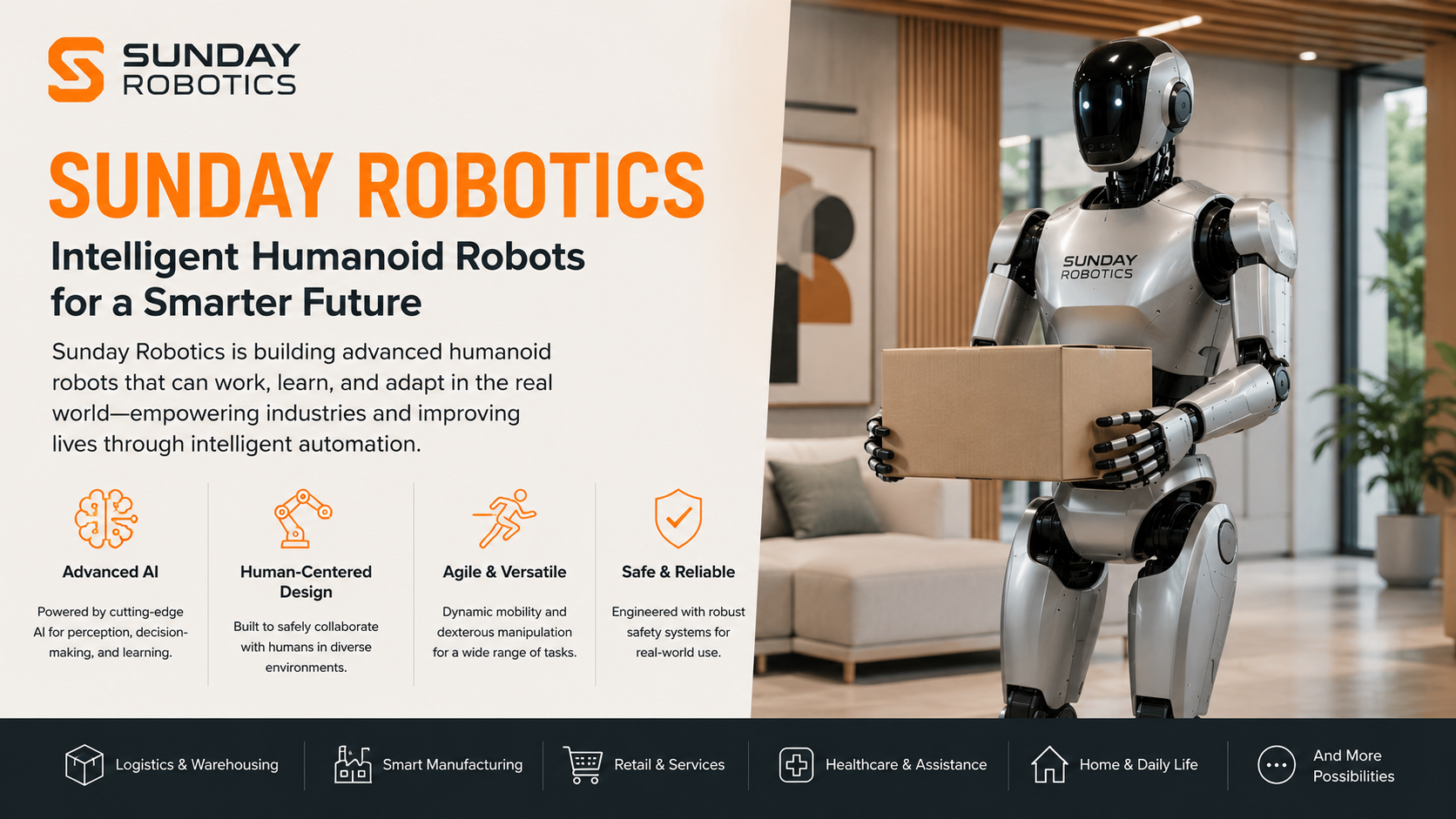
Sunday Robotics builds humanoid robots for home use. The purpose of the company is to build intelligent assistants that can perform household tasks that involve cleaning and organizing, fetching things, and can interact with the family in a natural manner.
Robotics that combine AI, machine vision, and smart navigation for the purpose of making life easy and accessible.
Features
- Being able to assist at home
- Smart detection of objects
- Navigation within an interior structure
- Ability to understand and converse
- Robots that function on their own
Benefits
- Automation that saves time
- Convenience within the household
- Accessibility
- Quality of life is improved
12. BOSTON DYNAMICS (ATLAS)
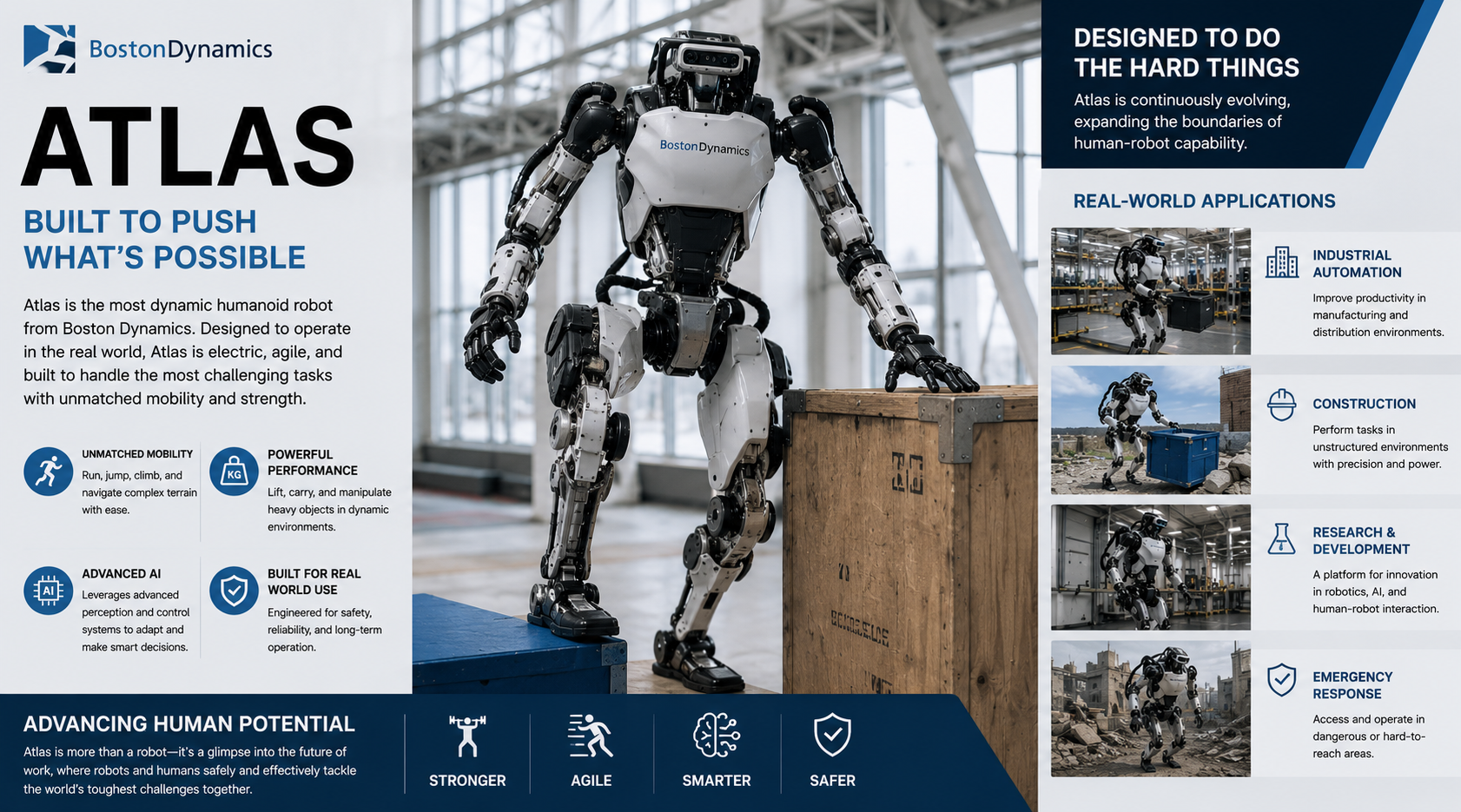
Boston Dynamics is one of the oldest and most trailblazing robotics companies. One of the trailblazers for robotics that have mobility is the company’s invention of one of the most sophisticated humanoid robots, called Atlas.
What Atlas can do and is built for is to run, walk, jump, have parkour perform be agile, and have perfect balance. Parkour can currently only be done by Atlas and no one else. Atlas is used for research and the main focus of Boston Dynamics. Even with this, Boston Dynamics thinks of the other types of robotics that will be service-based and used for helping in the industrial field and during rescues.
Features
- Dynamic balance
- Agility that is exceptional
- Highly advanced AI
- The ability to perceive things in real time
- High Actuator Performance
Benefits
- Robotics for the future of research
- Improves the response for Aid and Assist
- Supports innovation for industrial uses
- Humanoids that can exhibit an advanced form and function
Key Features of Modern Humanoid Robots
The trait systems that most modern humanoid robotics are able to exhibit is impressive.
- Artificial Intelligence
- Computer Vision
- Voice Recognition
- Autonomous Navigation
- Machine Learning
- Dexterous Hands
- Human-Robot Collaboration
- Real-Time Decision Making
- Cloud Connectivity
- Continuous Learning
These capabilities enable humanoid robots to perform more advanced functions in more dynamic environments.
Humanoid Robot Advantages
There are many benefits to the use of humanoid robots.
Increased Productivity
Humanoid robots do not need breaks.
Improved Workplace Safety
Humanoids can take over unsafe and monotonous tasks from human workers.
Cost Savings
Operations become more profitable due to automation.
Better Customer Service
In retail and hospitality, humanoid robots are able to interact with and assist customers.
Healthcare Support
In healthcare, humanoids are able to assist patients, move supplies, and support caregivers.
Teaching and Research
Universities use humanoids in research to study AI, robotics, and the interaction between humans and machines.
Sectors Robotic Technology is Disrupting
Humanoid robotics are making an impact in many sectors.
- Manufacturing
- Warehousing
- Healthcare
- Retail
- Hospitality
- Education
- Construction
- Security
- Space Exploration
- Elder Care
As AI improves, humanoid robotics will become even more prevalent and sophisticated.
Problems with Humanoid Robotics
Despite all the progress, some problems exist.
- High Costs
- Battery Limitations
- Ethical Issues
- Data Privacy
- Acceptance
- Integration Complexity
These problems are ongoing areas of research because the goal is to make humanoid robotics more reliable and safe.
Predictions about the next 10 years suggest humanoid robots will be fully integrated into the everyday work force in factories, hospitals, airports, restaurants, offices, and homes. Ready access to sophisticated generative AI, robotics, and edge computing will allow for the development of robots that will fully understand and engage human language and adapt to new tasks.
Instead of eliminating the need for human labor, humanoid robots will be used to complete tasks that are repetitive, dangerous, or labor-intensive. This will give the human labor force the capacity to engage in work that is creative and requires thoughtful interaction. As the cost to manufacture humanoid robots decreases, smaller and mid-sized businesses will be able to afford humanoid robots to meet workforce needs.
Conclusion
The development and integration of humanoid robots will be one of the defining technological advancements of the 2020s. The rate at which innovation is occurring is unmatched. Companies leading this charge are Figure AI, Tesla, Boston Dynamics, Unitree, AgiBot, UBTECH, Apptronik, Galbot, Agility Robotics, 1X Technologies, Sunday Robotics, and Neura Robotics.
The rapid improvement and decreasing cost of AI will make these humanoid robots even more practical and easier to integrate. The impact robots will have the capability to engage in work that is creative and requires thoughtful interaction. As the cost of manufacturing humanoid robots decreases, smaller and mid-sized companies will be able to afford humanoid robots to meet workforce needs. Because of the advanced robotics, we no longer have to wait for the future to come.
Frequently Asked Questions (FAQs)
1. What are humanoid robots?
Humanoid robots are robots that resemble human beings and can complete a variety of tasks through the use of AI, sensors, and mechanical advancements.
2. Which company is the best at making humanoid robots?
Many companies are at the forefront. These are Boston Dynamics, Tesla, Figure AI, UBTECH, Unitree Robotics, and Apptronik. Each business is focused on a different specialty.
3. What are the applications of humanoid robots?
The applications of humanoid robots are manufacturing, logistics, healthcare, retail, education, research, hospitality, and home assistance, among others.
4. Which tasks will humanoid robots take over?
Humanoid robots are likely to take over tasks that require automation of a repetitive and dangerous nature, and tasks that require empathy, and that require interpersonal relations as well as work attributes to complement human execution.
5. Which of the attributes of humanoid robots is the best?
The best of the attributes is their capacity to operate in a productive, efficient, and safe manner beyond the borders of physical strain. This is in environments specifically set up for a human workforce. Combined, these things cut down the risks of a workplace injury.